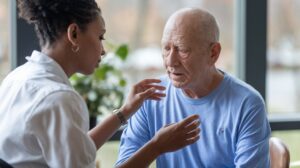
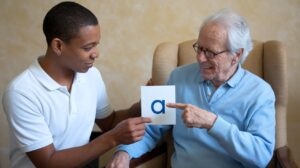
Speech therapy for stroke patients is a crucial component of rehabilitation that helps restore communication abilities after brain injury. Speech therapy stroke programs address various communication challenges including difficulty speaking, understanding language, and forming words. With proper treatment, many stroke survivors can significantly improve their speech and language skills, though recovery timelines vary based on the severity of the stroke and individual factors.
Understanding Speech Problems After Stroke
Stroke can cause several types of communication difficulties that affect millions of Americans annually. According to the American Stroke Association, approximately 795,000 people in the United States experience a stroke each year, with about 25-40% developing speech and language problems. Speech therapy for stroke patients targets these specific communication challenges to help restore function and improve quality of life.
The brain areas responsible for speech and language processing are particularly vulnerable during stroke events. When blood flow to these regions is interrupted, it can result in various communication disorders that require specialized treatment. Understanding these conditions is essential for patients and families to set realistic expectations and pursue appropriate stroke speech therapy interventions.
Aphasia: The Most Common Speech Disorder
Aphasia affects approximately 2 million Americans and occurs in about one-third of stroke survivors. This condition impacts the ability to understand, speak, read, and write. There are several types of aphasia, including Broca’s aphasia (difficulty speaking but good comprehension), Wernicke’s aphasia (fluent but meaningless speech), and global aphasia (severe impairment in all language areas). Speech therapy exercises for stroke patients are specifically designed to address each type of aphasia through targeted interventions.
Dysarthria and Motor Speech Disorders
Dysarthria occurs when stroke affects the muscles used for speech production, resulting in slurred, slow, or difficult-to-understand speech. This condition affects approximately 8-60% of stroke survivors and can significantly impact communication effectiveness. Speech therapy for stroke patients at home often includes exercises to strengthen oral muscles and improve coordination. Motor speech disorders require consistent practice and professional guidance to achieve optimal recovery outcomes.
Timeline for Speech Recovery After Stroke
Recovery timelines for speech and language function vary significantly among stroke survivors. Research indicates that most improvement occurs within the first six months post-stroke, with continued progress possible for years with appropriate therapy. Stroke speech recovery time depends on factors including the location and severity of the stroke, the patient’s age, overall health, and access to quality rehabilitation services.
Early intervention is crucial for optimal outcomes. Speech therapy stroke programs should ideally begin within 24-48 hours of stroke occurrence, as soon as the patient is medically stable. The American Speech-Language-Hearing Association recommends intensive therapy during the acute phase, with 2024 guidelines suggesting at least 3-5 hours of therapy per week for optimal results.
What Speech Therapists Do for Stroke Patients
Speech-language pathologists play a vital role in stroke rehabilitation by conducting comprehensive evaluations and developing individualized treatment plans. These professionals assess all aspects of communication including speech production, language comprehension, reading, writing, and swallowing function. Speech therapy exercises for stroke patients are tailored to each individual’s specific needs and recovery goals.
During therapy sessions, speech therapists use evidence-based techniques to help patients rebuild communication skills. This includes practicing word retrieval, sentence formation, articulation exercises, and functional communication strategies. Free online speech therapy for stroke patients resources are increasingly available to supplement in-person treatment, providing additional practice opportunities and support for continued progress.
Assessment and Evaluation Process
The initial evaluation process involves comprehensive testing of language abilities, cognitive function, and oral motor skills. Speech therapists use standardized assessments to determine the type and severity of communication impairments. This evaluation informs the development of specific treatment goals and helps track progress over time. Stroke speech therapy exercises are then customized based on assessment results and individual patient needs.
Treatment Techniques and Approaches
Modern speech therapy utilizes various evidence-based approaches including constraint-induced language therapy, melodic intonation therapy, and computer-assisted rehabilitation programs. These techniques help patients practice communication skills in structured environments while gradually increasing complexity. Speech therapy worksheets and home exercise programs extend treatment benefits beyond clinical sessions, promoting consistent practice and skill reinforcement.
Effective Speech Therapy Exercises for Stroke Recovery
Specific exercises targeting different aspects of communication can significantly improve outcomes for stroke survivors. Speech therapy exercises for stroke patients PDF resources provide structured activities that can be practiced at home with family support. These exercises focus on improving articulation, word retrieval, sentence formation, and overall communication effectiveness.
Consistency is key when performing speech therapy exercises. Daily practice sessions, even for short periods, can lead to measurable improvements in communication abilities. List of words for stroke patients often includes high-frequency vocabulary that patients use in daily conversations, making practice more relevant and motivating.
Articulation and Pronunciation Exercises
Tongue and lip strengthening exercises help improve articulation clarity and speech intelligibility. These exercises include tongue stretches, lip pursing, and repetitive sound production activities. Speech therapy exercises for adults after stroke video demonstrations provide visual guidance for proper technique and ensure exercises are performed correctly. Regular practice of these motor speech activities can lead to significant improvements in speech clarity.
Language and Cognitive Exercises
Cognitive-linguistic exercises focus on improving word retrieval, sentence construction, and comprehension skills. These activities include naming tasks, category sorting, and reading comprehension exercises. Speech therapy for stroke patients at home programs often incorporate these exercises into daily routines, making practice more natural and functional for patients and their families.
Home-Based Speech Therapy Strategies
Home practice is essential for maximizing recovery outcomes and maintaining progress between therapy sessions. Family members play a crucial role in supporting communication recovery by creating opportunities for practice and providing encouragement. Speech therapy for stroke patients at home should be structured but flexible, incorporating exercises into daily activities and conversations.
Technology has revolutionized home-based speech therapy with numerous apps and online resources available. These tools provide interactive exercises, progress tracking, and immediate feedback to help patients stay motivated and engaged in their recovery. Free online speech therapy for stroke patients platforms offer accessible options for continued practice and skill development.
Recovery Expectations and Realistic Goals
Setting realistic expectations is crucial for maintaining motivation throughout the recovery process. While some patients experience rapid improvement, others may require months or years of therapy to achieve their communication goals. Chances of regaining speech after stroke are influenced by multiple factors including the extent of brain damage, patient age, and commitment to therapy.
Research shows that approximately 60-70% of stroke survivors with aphasia experience some degree of recovery with appropriate treatment. However, complete recovery is less common, and many patients learn to adapt and compensate for remaining difficulties. Speech therapy stroke programs focus on maximizing functional communication rather than achieving perfect speech, helping patients communicate effectively in their daily lives.
When to Start Speech Therapy After Stroke
Early intervention is critical for optimal speech recovery outcomes. How soon should speech therapy start after stroke is a common question among patients and families. Current best practices recommend beginning speech therapy evaluation within 24-48 hours of stroke, as soon as the patient is medically stable and alert enough to participate.
The acute phase of stroke recovery represents a critical window for neuroplasticity and rehabilitation. During this period, the brain is most capable of forming new neural connections and adapting to injury. Speech therapy exercises for stroke patients initiated during this phase can take advantage of the brain’s natural healing processes and potentially lead to better long-term outcomes.
Technology and Modern Speech Therapy Approaches
Advances in technology have transformed speech therapy delivery and effectiveness. Virtual reality, artificial intelligence, and mobile applications now provide innovative treatment options for stroke survivors. These technologies offer personalized therapy experiences, real-time feedback, and engaging practice opportunities that can enhance traditional therapy approaches.
Telehealth services have also expanded access to specialized speech therapy services, particularly for patients in rural areas or those with mobility limitations. Speech therapy for stroke patients can now be delivered remotely, maintaining continuity of care and providing flexible scheduling options. These technological advances ensure that more patients can access quality speech therapy services regardless of geographic location or physical limitations.
Related video about speech therapy stroke
This video complements the article information with a practical visual demonstration.
FAQ – Common Questions
What does a speech therapist do for stroke patients?
Speech therapists evaluate communication disorders, develop individualized treatment plans, and provide therapy to help stroke patients regain speech and language skills. They assess speaking, understanding, reading, and writing abilities, then use evidence-based techniques to improve communication function through targeted exercises and strategies.
What are the chances of regaining speech after a stroke?
Approximately 60-70% of stroke survivors with speech problems experience some degree of recovery with appropriate therapy. Complete recovery varies significantly based on stroke severity, location of brain damage, patient age, and commitment to rehabilitation. Most improvement occurs within the first six months, but progress can continue for years with consistent therapy.
How soon should speech therapy start after a stroke?
Speech therapy should begin within 24-48 hours after stroke, as soon as the patient is medically stable and alert enough to participate. Early intervention during the acute phase takes advantage of neuroplasticity and can lead to better long-term outcomes. The first six months post-stroke are particularly critical for recovery.
How can I improve speech in a stroke patient at home?
Home speech improvement involves daily practice of prescribed exercises, creating communication opportunities during daily activities, using visual aids and gestures, speaking slowly and clearly, and maintaining patience. Family support is crucial, and utilizing speech therapy apps or online resources can supplement professional treatment effectively.
How long does speech recovery take after a stroke?
Speech recovery timelines vary widely among stroke survivors. Most significant improvement occurs within the first 3-6 months, with continued progress possible for 1-2 years or longer with consistent therapy. Recovery depends on stroke severity, brain area affected, patient age, overall health, and commitment to rehabilitation exercises.
Are there free speech therapy resources for stroke patients?
Yes, numerous free resources are available including online speech therapy platforms, mobile applications, PDF exercise worksheets, and video tutorials. Many hospitals and rehabilitation centers provide educational materials, and organizations like the American Stroke Association offer free resources and support groups for stroke survivors and their families.
| Recovery Aspect | Timeline | Key Benefit |
|---|---|---|
| Early Intervention | 24-48 hours post-stroke | Maximizes neuroplasticity and recovery potential |
| Intensive Therapy | First 3-6 months | Greatest improvement during critical recovery window |
| Home Practice | Daily, ongoing | Reinforces skills and maintains progress |
| Technology Integration | Throughout recovery | Provides accessible, engaging practice opportunities |
| Long-term Support | 1-2+ years | Sustained improvement and adaptation strategies |

Jude Deveraux, une auteure américaine renommée pour ses romans captivants de romance et de fiction historique, a créé un univers littéraire avec plus de 40 best-sellers du New York Times. Sa maîtrise de plusieurs langues enrichit sa connexion avec un public mondial, inspirant ainsi les lecteurs du monde entier avec des histoires intemporelles. En dehors de l’écriture, Jude Deveraux est passionnée par la peinture, la randonnée et la cuisine internationale.