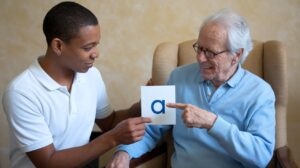
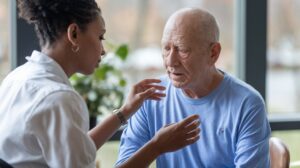
After a stroke, regaining speech abilities becomes a crucial part of recovery for many patients. Stroke recovery speech exercises are specialized therapeutic techniques designed to help individuals restore their voice, articulation, and communication skills. These targeted exercises address common post-stroke speech challenges including apraxia, dysarthria, and aphasia, offering hope for improved quality of life and independence.
Understanding How Stroke Affects Speech
When a stroke occurs, it can damage specific areas of the brain responsible for speech production and language processing. Speech therapy exercises for stroke patients target these affected neural pathways to promote recovery and adaptation. The severity of speech impairment depends on the location and extent of brain damage, with some patients experiencing mild articulation issues while others face complete loss of verbal communication.
Research from the American Stroke Association shows that approximately 25-40% of stroke survivors experience some form of speech or language difficulty. The brain’s neuroplasticity allows for recovery, but it requires consistent practice through stroke recovery speech exercises to rebuild neural connections and develop compensatory strategies.
Acquired Apraxia of Speech After Stroke
Apraxia of speech is a motor speech disorder that affects the ability to plan and coordinate the movements needed for speech production. Speech therapy exercises for stroke patients with apraxia focus on repetitive practice of specific sounds, syllables, and words. Patients may know what they want to say but struggle to coordinate their tongue, lips, and jaw movements to produce clear speech sounds.
Dysarthria vs Apraxia in Stroke Recovery
While both conditions affect speech clarity, dysarthria results from muscle weakness or paralysis, whereas apraxia involves difficulty with motor planning. Stroke speech therapy worksheets are customized based on the specific condition, with dysarthria exercises focusing on muscle strengthening and apraxia exercises emphasizing motor planning and sequencing of speech movements.
Essential Speech Exercises for Stroke Recovery
Implementing a structured approach to speech therapy exercises for stroke patients significantly improves outcomes. These exercises should be practiced daily, starting with basic movements and gradually progressing to more complex speech patterns. Consistency is key to neuroplasticity and recovery success.
The most effective exercises combine oral motor strengthening, breathing techniques, and articulation practice. Free online speech therapy for stroke patients resources provide accessible options for continued practice at home, supplementing professional therapy sessions.
Tongue and Lip Strengthening Exercises
Tongue exercises include pushing the tongue against the roof of the mouth, moving it side to side, and extending it forward. Speech therapy exercises PDF resources often include detailed instructions for these movements. Lip exercises involve pursing, stretching, and rounding motions to improve articulation clarity and muscle coordination.
Breathing and Voice Exercises
Proper breathing support is essential for speech production. Stroke recovery speech exercises include diaphragmatic breathing techniques, sustained vowel sounds, and voice projection exercises. These help patients regain voice strength and control, addressing issues like weak or breathy voice quality common after stroke.
Stroke Speech Recovery Timeline and Expectations
Understanding stroke speech recovery time helps set realistic expectations for patients and families. Most significant improvements occur within the first six months post-stroke, though recovery can continue for years with consistent practice. Factors affecting recovery include stroke severity, age, overall health, and commitment to therapy.
Studies indicate that patients who engage in daily speech therapy exercises for stroke patients at home show 30-40% better outcomes compared to those who rely solely on clinical sessions. The brain’s ability to reorganize and form new neural pathways continues throughout life, making persistent practice valuable even years after stroke.
Home-Based Speech Therapy Techniques
Effective speech therapy for stroke patients at home requires structured practice sessions and family support. Creating a quiet, distraction-free environment enhances focus and learning. Simple exercises like reading aloud, naming objects, and practicing word lists can be incorporated into daily routines.
Technology has revolutionized home-based therapy, with apps and online platforms providing interactive exercises and progress tracking. List of words for stroke patients should progress from simple to complex, focusing on frequently used vocabulary that enhances daily communication needs.
Creating an Effective Practice Schedule
Successful home therapy requires consistent scheduling, typically 15-30 minutes of focused practice 2-3 times daily. Speech therapy exercises for adults after stroke video resources provide visual guidance for proper technique. Breaking sessions into shorter, frequent intervals prevents fatigue and maintains engagement.
Family Support and Communication Strategies
Family members play a crucial role in supporting stroke recovery speech exercises by providing encouragement and practice opportunities. Learning effective communication strategies, such as allowing extra time for responses and using visual cues, enhances the recovery environment and reduces patient frustration.
Professional Speech Therapy vs Self-Directed Practice
While professional speech-language pathologists provide essential assessment and treatment planning, free online speech therapy for stroke patients offers valuable supplementary support. Professional therapy sessions typically occur 2-3 times weekly, with home practice filling the gaps between appointments.
Speech-language pathologists can customize exercises based on individual needs, monitor progress, and adjust treatment plans accordingly. However, self-directed practice using stroke speech therapy worksheets and online resources significantly enhances recovery outcomes when combined with professional guidance.
Advanced Speech Recovery Techniques
As patients progress, advanced techniques like melodic intonation therapy and constraint-induced language therapy may be introduced. These specialized approaches target specific aspects of speech and language recovery, often showing remarkable results in appropriate candidates.
Technology-assisted therapy, including virtual reality and biofeedback systems, represents the cutting edge of stroke recovery speech exercises. These tools provide real-time feedback and gamification elements that can enhance motivation and engagement in the recovery process.
Measuring Progress and Adjusting Treatment
Regular assessment of speech improvement helps maintain motivation and adjust exercise difficulty appropriately. Speech therapy exercises for stroke patients PDF resources often include progress tracking sheets and milestone indicators. Documenting improvements in articulation clarity, voice strength, and communication effectiveness provides valuable feedback for both patients and therapists.
Progress may be measured through formal assessments, recorded speech samples, and functional communication evaluations. Understanding that recovery is not always linear helps patients maintain realistic expectations while celebrating incremental improvements in their stroke recovery speech exercises journey.
Related video about stroke recovery speech exercises
This video complements the article information with a practical visual demonstration.
Key Questions and Answers
How can I help my stroke patient regain speech?
Support your loved one by creating a quiet practice environment, being patient with their communication attempts, and encouraging daily speech exercises. Participate in their therapy sessions when possible and use visual cues or gestures to supplement verbal communication. Consistent practice and emotional support significantly improve recovery outcomes.
Will I ever feel normal again after a stroke?
Recovery varies for each individual, but many stroke survivors experience significant improvement in speech and communication abilities. With consistent speech therapy and practice, most patients regain functional communication skills within 6-12 months. The brain’s neuroplasticity allows for continued improvement even years after stroke with dedicated effort.
What not to say to a stroke victim?
Avoid saying ‘You’re lucky to be alive’ or ‘At least you can still walk.’ Don’t finish their sentences or rush them to speak faster. Instead, offer encouragement like ‘Take your time’ or ‘I’m here to listen.’ Focus on their progress and abilities rather than limitations or comparisons to pre-stroke function.
How to regain voice fully after stroke?
Full voice recovery requires consistent practice of breathing exercises, vocal strengthening activities, and articulation drills. Work with a speech-language pathologist to develop a personalized exercise plan. Daily practice sessions of 15-30 minutes, combined with professional therapy 2-3 times weekly, typically yield the best results for voice restoration.
How long does stroke speech recovery take?
Most significant speech improvements occur within the first 6 months post-stroke, though recovery can continue for years. Factors affecting timeline include stroke severity, age, overall health, and commitment to therapy. Patients who practice daily speech exercises typically show 30-40% better outcomes than those who rely solely on clinical sessions.
Are there free speech therapy resources for stroke patients?
Yes, numerous free online resources provide speech therapy exercises, including downloadable PDFs, instructional videos, and interactive apps. Organizations like the American Stroke Association offer free materials, and many universities provide open-access therapy resources. These supplement but don’t replace professional speech-language pathology services.
| Recovery Stage | Key Exercises | Expected Outcomes |
|---|---|---|
| Early Recovery (0-3 months) | Basic tongue/lip movements, breathing exercises | Improved muscle strength and coordination |
| Intermediate Recovery (3-6 months) | Articulation drills, word repetition, voice exercises | Clearer speech sounds and better voice control |
| Advanced Recovery (6+ months) | Conversation practice, reading aloud, complex sentences | Functional communication and confidence |

Jude Deveraux, une auteure américaine renommée pour ses romans captivants de romance et de fiction historique, a créé un univers littéraire avec plus de 40 best-sellers du New York Times. Sa maîtrise de plusieurs langues enrichit sa connexion avec un public mondial, inspirant ainsi les lecteurs du monde entier avec des histoires intemporelles. En dehors de l’écriture, Jude Deveraux est passionnée par la peinture, la randonnée et la cuisine internationale.