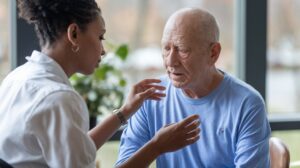
Understanding the stroke recovery timeline is crucial for patients and families navigating the healing journey. Recovery varies significantly between individuals, but following predictable stages and milestones can help set realistic expectations. This comprehensive guide covers the complete recovery process, from initial treatment through long-term rehabilitation, providing essential insights for optimal healing outcomes.
Immediate Post-Stroke Phase: First 24-72 Hours
The first few days after a stroke represent the most critical period for brain stroke recovery chances. During this phase, medical teams focus on stabilizing the patient and preventing secondary complications. The brain begins its natural healing process immediately, with damaged neurons attempting to reconnect and form new pathways. Statistics from the American Stroke Association show that 80% of stroke patients who receive immediate treatment within the first 3 hours have significantly better outcomes.
Emergency interventions during this period include clot-busting medications for ischemic strokes or surgical procedures for hemorrhagic strokes. The stroke recovery timeline officially begins once the patient is medically stable, typically within 24-48 hours. Early rehabilitation assessments help determine the extent of damage and create personalized treatment plans for maximum recovery potential.
First Few Weeks: Foundation Building Phase
The initial weeks following a stroke are characterized by rapid changes and the beginning of structured rehabilitation. During this period, patients experience what experts call spontaneous recovery, where the brain naturally begins healing damaged areas. The first 2-4 weeks are crucial for establishing rehabilitation routines and addressing immediate functional challenges such as mobility, speech, and basic daily activities.
Stroke Rehabilitation Priorities
Healthcare teams prioritize several key areas during early rehabilitation: physical therapy to restore movement and strength, occupational therapy to regain daily living skills, and speech therapy to address communication challenges. The 7 stages of stroke recovery begin with basic function restoration, focusing on preventing complications like blood clots, pneumonia, and muscle contractures. Research indicates that patients who begin rehabilitation within 48 hours of stroke onset show 40% better functional outcomes.
Leaving the Hospital After a Stroke
Hospital discharge typically occurs 3-10 days post-stroke, depending on severity and complications. Patients with mild stroke recovery stages may transition home sooner, while those with extensive damage require extended inpatient care. Discharge planning involves coordinating outpatient therapies, home health services, and family training. The transition period is crucial for maintaining momentum in recovery and preventing setbacks.
1-3 Months Post-Stroke: Active Recovery Period
The first three months represent the most dynamic phase of stroke recovery when the brain exhibits maximum neuroplasticity. During this period, patients typically experience the most dramatic improvements in function and mobility. The brain’s ability to reorganize and form new neural connections is at its peak, making intensive therapy most effective. Studies show that 60-70% of functional recovery occurs during this critical window.
Spontaneous Recovery Phenomena
Spontaneous recovery occurs when undamaged brain areas assume functions previously controlled by damaged regions. This natural healing process is most pronounced in the first 3 months, with signs of recovery from stroke including improved motor control, clearer speech, and enhanced cognitive function. Patients may notice sudden improvements in abilities that seemed completely lost, highlighting the brain’s remarkable adaptive capacity.
Anticipating and Managing Setbacks
Recovery rarely follows a straight line, and temporary setbacks are normal during the stroke recovery timeline. Common challenges include fatigue, depression, and plateaus in progress. Understanding that setbacks don’t indicate failure helps maintain motivation and adherence to therapy programs. Mental health support becomes increasingly important as patients adjust to their new reality and work toward independence.
6-Month Milestone: Transition to Long-Term Recovery
The six-month mark represents a significant transition point in the stroke recovery timeline. While neuroplasticity continues beyond this point, the rate of improvement typically slows. However, research from 2024 shows that continued improvement is possible with consistent therapy and lifestyle modifications. The focus shifts from intensive rehabilitation to maintaining gains and preventing secondary strokes through lifestyle management.
At this stage, patients and families should celebrate achieved milestones while setting realistic expectations for continued improvement. The 3 stages of stroke recovery framework shows that while acute recovery may slow, adaptation and compensation strategies can lead to meaningful functional improvements for years to come.
Long-Term Recovery: Beyond the First Year
Recovery continues well beyond the first year, with many patients experiencing improvements in stroke recovery after 2 years. Long-term recovery focuses on maximizing independence, preventing complications, and maintaining quality of life. Research indicates that structured therapy programs can yield benefits even years after the initial stroke, challenging previous assumptions about recovery windows.
Lifestyle Modifications for Continued Improvement
Long-term recovery success depends heavily on lifestyle factors including regular exercise, healthy diet, medication compliance, and stress management. The activities that patients should avoid include excessive alcohol consumption, smoking, and sedentary behavior. Conversely, engaging in regular physical activity, social interactions, and cognitive challenges promotes continued brain health and functional improvement.
Monitoring for Secondary Stroke Prevention
Long-term care includes vigilant monitoring for signs of impending death after stroke and secondary stroke prevention. Regular medical check-ups, blood pressure monitoring, and cholesterol management are essential components of ongoing care. The risk of recurrent stroke remains elevated, making lifestyle modifications and medication adherence critical for long-term survival and quality of life.
Factors Affecting Recovery Timeline
Several factors significantly influence the stroke recovery timeline, including age, stroke severity, location of brain damage, and overall health status. Younger patients typically experience faster and more complete recovery, while older adults may face additional challenges. The size and location of the stroke also determine which functions are affected and their recovery potential.
Pre-existing conditions such as diabetes, heart disease, and previous strokes can complicate recovery. However, strong social support, access to quality healthcare, and patient motivation can positively impact outcomes regardless of initial prognosis. Understanding these factors helps set appropriate expectations and optimize treatment approaches.
Warning Signs and When to Seek Help
Recognizing warning signs during recovery is crucial for preventing complications and optimizing outcomes. Good signs of stroke recovery include improved mobility, clearer speech, better cognitive function, and increased independence in daily activities. Conversely, concerning symptoms include sudden weakness, speech difficulties, severe headaches, or changes in consciousness that may indicate complications or recurrent stroke.
The BE-FAST protocol (Balance, Eyes, Face, Arms, Speech, Time) remains relevant throughout recovery for identifying potential secondary strokes. Patients and caregivers should maintain close communication with healthcare providers and seek immediate medical attention for any concerning changes in condition or function.
Related video about stroke recovery timeline
This video complements the article information with a practical visual demonstration.
Frequently Asked Questions
What is the life expectancy of a person after a stroke?
Life expectancy after stroke varies significantly based on age, stroke severity, and overall health. Studies show that stroke survivors have a 5-year survival rate of approximately 70-80%. Younger patients with mild strokes often have near-normal life expectancy, while older adults with severe strokes may face reduced longevity. Early rehabilitation and lifestyle modifications significantly improve long-term outcomes.
What activities should you avoid after a stroke?
Stroke survivors should avoid activities that increase secondary stroke risk, including smoking, excessive alcohol consumption, and high-sodium diets. Physical activities to avoid include heavy lifting without proper form, contact sports, and unsupervised swimming. Patients should also avoid driving until cleared by medical professionals and limit activities that cause excessive fatigue during early recovery.
What are good signs of stroke recovery?
Positive recovery signs include improved motor control, clearer speech, enhanced cognitive function, and increased independence in daily activities. Physical improvements may include better balance, stronger grip, and improved coordination. Cognitive signs include better memory, attention, and problem-solving abilities. Emotional stability and reduced fatigue also indicate positive recovery progression.
What is the typical recovery time for a stroke?
Recovery timelines vary widely, but most improvement occurs within the first 3-6 months. Mild strokes may show significant improvement within weeks, while severe strokes may require months to years for maximum recovery. The brain’s neuroplasticity allows for continued improvement beyond the first year, though progress typically slows after six months.
How to recover from stroke quickly?
Rapid recovery requires immediate medical intervention, early rehabilitation, and consistent therapy participation. Key strategies include starting physical therapy within 48 hours, maintaining proper nutrition, following medication regimens, and engaging in regular therapeutic activities. Sleep quality, stress management, and strong social support also accelerate recovery. However, pushing too hard can hinder progress, so balance is essential.
What are the 7 stages of stroke recovery?
The 7 stages include: 1) Flaccidity with no voluntary movement, 2) Spasticity begins with minimal voluntary movement, 3) Spasticity increases with some voluntary movement, 4) Spasticity decreases with improved movement, 5) Complex movements return with reduced spasticity, 6) Coordination improves with near-normal movement, and 7) Normal function returns. Not all patients progress through every stage, and timelines vary significantly.
| Recovery Phase | Timeline | Key Milestones |
|---|---|---|
| Acute Phase | First 24-72 hours | Medical stabilization, prevention of complications |
| Early Recovery | 2-4 weeks | Basic function restoration, therapy initiation |
| Active Recovery | 1-3 months | Maximum neuroplasticity, rapid improvement |
| Transition Phase | 3-6 months | Continued improvement, adaptation strategies |
| Long-term Recovery | 6+ months | Maintenance, lifestyle optimization, prevention |

Jude Deveraux, une auteure américaine renommée pour ses romans captivants de romance et de fiction historique, a créé un univers littéraire avec plus de 40 best-sellers du New York Times. Sa maîtrise de plusieurs langues enrichit sa connexion avec un public mondial, inspirant ainsi les lecteurs du monde entier avec des histoires intemporelles. En dehors de l’écriture, Jude Deveraux est passionnée par la peinture, la randonnée et la cuisine internationale.