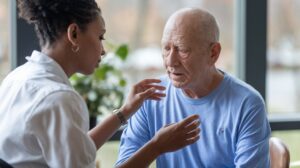
Recovery from mobility challenges requires structured rehab exercises to walk again that target balance, strength, and coordination. Whether recovering from stroke, surgery, or prolonged bed rest, the right physiotherapy approach can restore your ability to walk independently. This comprehensive guide provides evidence-based exercises designed to help you regain mobility safely and effectively.
Understanding Walking Recovery and Rehabilitation
Walking recovery involves rebuilding the complex coordination between your brain, muscles, and joints. The process typically takes 6-12 weeks for most individuals, depending on the underlying condition and severity of mobility loss. Physiotherapy exercises for walking focus on three core components: strength, balance, and motor control. Research from the American Physical Therapy Association shows that structured rehabilitation programs can improve walking speed by up to 40% within the first three months.
The key to successful recovery lies in progressive training that gradually increases difficulty while maintaining safety. Gait training exercises must be performed consistently, typically 3-5 times per week, to achieve optimal results. Healthcare professionals recommend starting with basic movements and advancing to more complex patterns as strength and coordination improve.
Essential Balance and Strength Exercises
Balance forms the foundation of walking ability, requiring targeted exercises that challenge your stability while building confidence. Balance exercises should progress from seated positions to standing, then to dynamic movements that mimic real-world walking scenarios.
Side-Stepping for Lateral Stability
Side-stepping exercises improve lateral stability and strengthen the hip abductors, crucial muscles for maintaining balance during walking. Start by standing with feet hip-width apart, then take 10-15 steps to the right, maintaining proper posture. Side-stepping exercises should be performed slowly with focus on control rather than speed. Progress by adding resistance bands or performing on unstable surfaces like foam pads.
Forward to Backward Weight Shifting
Weight shifting exercises teach your body to transfer weight smoothly between legs, a fundamental component of walking. Stand with feet shoulder-width apart and slowly shift your weight forward onto your toes, then backward onto your heels. Weight shifting exercises should be performed 15-20 times, focusing on smooth transitions. This exercise directly improves the weight transfer phase of walking gait.
Lower Body Strengthening Techniques
Strong leg muscles provide the power needed for walking and climbing stairs. Lower-body strength exercises target the quadriceps, hamstrings, glutes, and calf muscles that work together during walking. These exercises should be performed 2-3 times weekly with proper rest between sessions.
Step-ups for Functional Strength
Step-ups replicate the motion of climbing stairs and build functional leg strength. Use a sturdy step 4-6 inches high, stepping up with one foot and slowly lowering back down. Step-ups exercises should be performed 10-15 repetitions per leg, focusing on controlled movements. Progress by increasing step height or adding light weights as strength improves.
Sit to Stand for Core Stability
The sit-to-stand movement strengthens your quadriceps and core muscles while improving functional mobility. Start seated in a chair with feet flat on the floor, then stand up without using your hands for support. Sit to stand exercises should be repeated 10-15 times, focusing on slow, controlled movements. This exercise directly translates to improved independence in daily activities.
Range of Motion and Flexibility Training
Maintaining joint flexibility is crucial for natural walking patterns. Range of motion exercises prevent stiffness and ensure joints move through their full arc of motion. These exercises should be performed daily, holding each stretch for 15-30 seconds. Hip flexor stretches, ankle dorsiflexion, and calf stretches are particularly important for walking mechanics.
Flexibility training also includes gentle movements that promote circulation and reduce muscle tension. Stretching exercises should be pain-free and performed slowly to avoid injury. Regular flexibility work can improve stride length and reduce the risk of falls during walking recovery.
Advanced Gait Training Exercises
Once basic strength and balance improve, advanced gait training exercises focus on walking patterns and coordination. These exercises prepare individuals for real-world walking challenges and improve overall mobility confidence.
Marching in Place
Marching exercises improve hip flexor strength and coordination between legs. Stand with good posture and lift one knee toward your chest, then alternate legs in a marching pattern. Marching exercises should be performed for 30-60 seconds, focusing on lifting knees to a comfortable height. This exercise improves the swing phase of walking and builds endurance.
Target Stepping for Precision
Target stepping exercises improve accuracy and coordination by requiring precise foot placement. Place markers on the floor and step from one target to another, focusing on controlled movements. Target stepping challenges balance and proprioception while building confidence in foot placement. Progress by increasing distance between targets or adding directional changes.
Obstacle Training for Real-World Preparation
Obstacle training prepares individuals for navigating real-world environments safely. Obstacle training exercises include stepping over objects, walking around cones, and navigating uneven surfaces. These exercises should be introduced gradually, starting with low obstacles and progressing to more challenging scenarios. Safety equipment like parallel bars or handrails should be available during training.
Advanced obstacle training incorporates dual-task activities, such as walking while carrying objects or responding to verbal cues. This type of training improves cognitive-motor integration and prepares individuals for the multitasking demands of daily life. Functional walking exercises should mirror activities the person will encounter in their home and community environments.
Retro Walking and Directional Training
Backward walking, or retro walking, activates different muscle groups and improves overall balance and coordination. Retro walking exercises should be performed in a safe environment with handrails or support available. Start with short distances and focus on maintaining balance while stepping backward. This exercise strengthens the posterior chain muscles and improves proprioception.
Directional training includes side-stepping, diagonal walking, and turning movements that challenge balance and coordination. Multi-directional walking exercises prepare individuals for the complex movements required in daily activities. These exercises should be practiced regularly to build confidence and reduce fall risk.
Timeline and Recovery Expectations
Recovery timelines vary significantly based on individual factors, but most people see initial improvements within 2-4 weeks of consistent exercise. Learning to walk again typically follows a predictable pattern: first regaining strength and balance, then improving coordination and endurance. Studies show that intensive rehabilitation programs can reduce recovery time by up to 30% compared to standard care.
For individuals recovering from surgery or prolonged bed rest, the timeline may extend to 12-24 weeks for full recovery. Rehabilitation exercises should be performed consistently throughout this period, with regular assessments to track progress and adjust difficulty. Healthcare providers recommend documenting improvements to maintain motivation and identify areas needing additional focus.
Related video about rehab exercises to walk again
This video complements the article information with a practical visual demonstration.
FAQ – Common Questions
What therapy helps you walk again?
Physical therapy is the primary treatment for walking recovery, focusing on strength, balance, and coordination exercises. Occupational therapy may also be beneficial for functional activities. A comprehensive approach typically includes gait training, balance exercises, and progressive strength building under professional supervision.
How can I strengthen my legs to walk again?
Leg strengthening involves progressive exercises targeting quadriceps, hamstrings, glutes, and calf muscles. Start with seated exercises like leg extensions and heel raises, then progress to standing exercises like squats and step-ups. Resistance bands and light weights can be added as strength improves.
What is the best exercise to replace walking?
While no single exercise fully replaces walking, stationary marching, seated leg exercises, and pool therapy provide excellent alternatives. Recumbent cycling and seated elliptical machines offer cardiovascular benefits while building leg strength. These exercises maintain fitness levels during walking recovery.
How long does it take to learn how to walk again?
Recovery time varies from 6-24 weeks depending on the underlying condition and individual factors. Stroke recovery typically takes 12-24 weeks, while post-surgical recovery may require 8-16 weeks. Consistent daily exercise and professional guidance can significantly reduce recovery time.
What exercises help elderly people walk again?
Elderly individuals benefit from low-impact exercises like seated marching, gentle stretching, and balance training using chairs or parallel bars. Tai chi and water therapy are excellent options for building strength and coordination safely. Progressive resistance training with light weights helps maintain muscle mass.
Can you do gait training exercises at home?
Many gait training exercises can be performed safely at home with proper instruction and safety precautions. Basic exercises like marching in place, weight shifting, and simple balance activities are suitable for home practice. However, initial assessment and instruction from a physical therapist is recommended for safety and effectiveness.
| Exercise Category | Key Benefits | Recommended Frequency |
|---|---|---|
| Balance Training | Improves stability and fall prevention | Daily, 15-20 minutes |
| Strength Exercises | Builds muscle power for walking | 3-4 times weekly |
| Gait Training | Restores natural walking patterns | Daily, 20-30 minutes |
| Flexibility Work | Maintains joint mobility | Daily, 10-15 minutes |

Jude Deveraux, une auteure américaine renommée pour ses romans captivants de romance et de fiction historique, a créé un univers littéraire avec plus de 40 best-sellers du New York Times. Sa maîtrise de plusieurs langues enrichit sa connexion avec un public mondial, inspirant ainsi les lecteurs du monde entier avec des histoires intemporelles. En dehors de l’écriture, Jude Deveraux est passionnée par la peinture, la randonnée et la cuisine internationale.