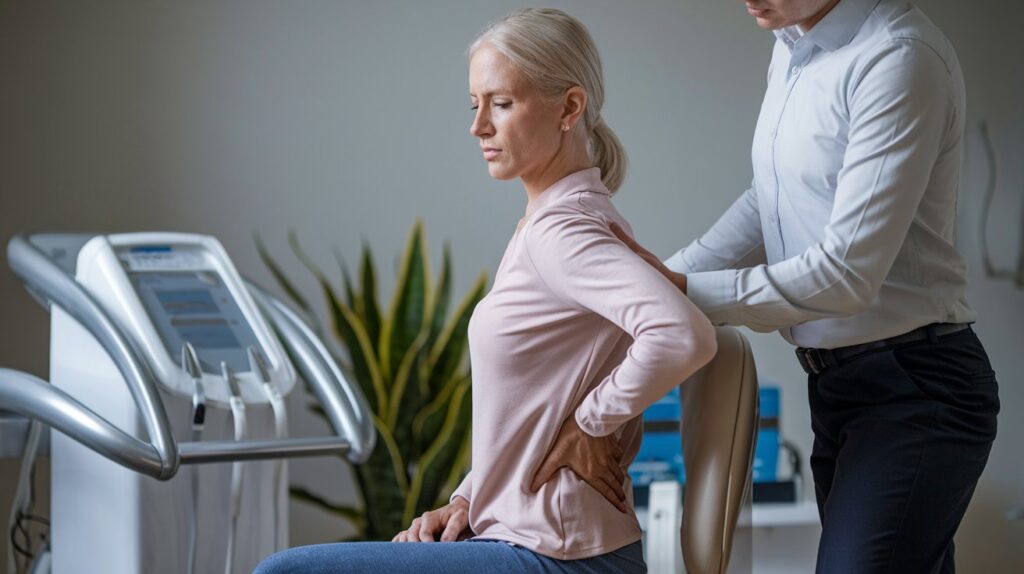
Lower back pain affects female patients differently than men, with unique causes including hormonal changes, pregnancy, and pelvic floor dysfunction. This comprehensive guide explores effective female lower back pain treatment options, from immediate relief techniques to long-term management strategies that address the specific needs of women experiencing back pain.
What Causes Lower Back Pain in Females
Understanding the root causes of lower back pain in females is crucial for effective treatment. Women experience back pain at rates 30% higher than men, according to 2024 American Pain Society data. The unique anatomical and hormonal differences in women create specific vulnerabilities that require targeted approaches to treatment and prevention.
Female-specific causes include menstrual cycles, pregnancy, menopause, and pelvic floor disorders. These factors contribute to increased muscle tension, ligament laxity, and postural changes that directly impact the lower back. Additionally, women are more susceptible to conditions like fibromyalgia and osteoporosis, which can exacerbate back pain symptoms.
Hormonal Factors and Back Pain
Hormonal fluctuations significantly impact female back pain patterns. Estrogen and progesterone levels affect ligament elasticity, particularly during menstruation, pregnancy, and menopause. During the luteal phase of the menstrual cycle, increased progesterone can cause ligament relaxation, leading to spinal instability and pain. Research from the Journal of Women’s Health indicates that 60% of women report increased back pain during specific menstrual phases.
Pregnancy-Related Lower Back Pain
Pregnancy-related lower back pain affects up to 85% of pregnant women, typically beginning in the second trimester. The growing uterus shifts the center of gravity forward, increasing lumbar lordosis and placing additional stress on the lower back muscles. Relaxin hormone further loosens ligaments, contributing to spinal instability and pain that often requires specialized treatment approaches.
How to Relieve Back Pain Fast at Home
Immediate back pain relief can be achieved through several proven home remedies that specifically address female physiology. The key is applying the right combination of techniques within the first 24-48 hours of pain onset. These methods focus on reducing inflammation, improving circulation, and providing muscle relaxation without requiring prescription medications.
Heat and cold therapy remain the most effective initial treatments. Apply ice for 15-20 minutes during the first 48 hours to reduce inflammation, then transition to heat therapy to improve blood flow and muscle relaxation. This approach provides fast pain relief while addressing the underlying muscle tension common in female back pain cases.
Gentle Stretching and Movement
Gentle stretching exercises designed for female anatomy can provide immediate relief. The child’s pose, cat-cow stretch, and pelvic tilts are particularly effective for women experiencing lower back pain. These movements help decompress the spine while strengthening the core muscles that support proper posture. Perform these stretches 2-3 times daily, holding each position for 30 seconds.
Proper Sleep Positioning
Optimizing sleep position is crucial for overnight pain relief. Side sleeping with a pillow between the knees maintains proper spinal alignment and reduces pressure on the lower back. For women with larger breasts, additional chest support can prevent forward shoulder roll that contributes to back strain. Avoid sleeping on your stomach, which can increase lumbar extension and worsen pain.
How to Tell if Back Pain is Muscle or Disc
Distinguishing between muscle pain and disc problems is essential for choosing appropriate treatment. Muscle-related back pain typically presents as a dull, aching sensation that improves with movement and worsens with prolonged sitting or standing. This type of pain often responds well to heat therapy and gentle stretching, making it more manageable with home treatments.
Disc-related pain, however, often includes sharp, shooting sensations that may radiate down the legs (sciatica). This nerve pain typically worsens with coughing, sneezing, or forward bending movements. Disc problems require more comprehensive treatment approaches and may need professional medical evaluation, especially if neurological symptoms are present.
Muscle Pain Characteristics
Muscle-related back pain in females often correlates with menstrual cycles, stress levels, and daily activities. The pain typically feels like a constant ache or tightness, may include muscle spasms, and often improves with gentle movement. Women frequently describe this pain as similar to menstrual cramps but located in the lower back region.
Disc Pain Warning Signs
Disc-related back pain symptoms require immediate attention when they include numbness, tingling, or weakness in the legs. Women experiencing these symptoms should seek medical evaluation within 24-48 hours. Other red flags include pain that worsens at night, loss of bladder control, or severe pain that doesn’t improve with rest or over-the-counter medications.
How to Get Out of Bed with Severe Lower Back Pain
Getting out of bed with severe lower back pain requires specific techniques that minimize spinal stress. The log-roll method is most effective for women experiencing acute back pain. Start by lying on your side, bring your knees toward your chest, then use your arms to push yourself up while simultaneously swinging your legs over the edge of the bed.
Avoid the common mistake of sitting straight up from a lying position, which places enormous stress on the lower back. Instead, maintain the natural curves of your spine throughout the movement. This technique reduces morning back pain and prevents further injury during the vulnerable awakening period when muscles are stiff and less responsive.
Professional Physical Therapy Treatment
Professional physical therapy offers specialized treatment approaches designed for female anatomy and common pain patterns. Licensed physical therapists conduct comprehensive evaluations to identify specific muscle imbalances, postural deficits, and movement dysfunctions contributing to back pain. Treatment plans typically include manual therapy, therapeutic exercises, and education about proper body mechanics.
Recent 2024 studies show that women who participate in structured physical therapy programs experience 40% greater improvement in pain levels compared to those using only home remedies. The combination of targeted exercises, hands-on treatment, and lifestyle modifications addresses both immediate pain relief and long-term prevention of recurring back pain.
Core Strengthening for Women
Core strengthening exercises specifically designed for female anatomy focus on the deep stabilizing muscles including the transverse abdominis, pelvic floor, and multifidus. These muscles work together to support the spine and pelvis, providing crucial stability during daily activities. Women-specific programs address the unique challenges of pregnancy, menopause, and hormonal fluctuations that affect core strength.
Postural Correction Techniques
Postural correction addresses the forward head posture and rounded shoulders common in women who spend long hours at computers or caring for children. Postural training includes exercises to strengthen the upper back muscles, stretch tight chest muscles, and improve overall spinal alignment. These corrections reduce the mechanical stress on the lower back and prevent future pain episodes.
Surgical and Advanced Treatment Options
When conservative treatments fail to provide adequate relief, surgical options may be necessary for severe cases of female lower back pain. Modern minimally invasive techniques have significantly improved outcomes while reducing recovery times. Women considering surgery should understand that hormonal factors may affect healing rates and surgical outcomes.
Advanced non-surgical treatments include epidural steroid injections, radiofrequency ablation, and regenerative medicine approaches. These interventions can provide significant pain relief for women who haven’t responded to conservative care. Success rates vary, but many women experience substantial improvement in pain levels and functional capacity with these targeted treatments.
Lifestyle Modifications for Long-term Relief
Sustainable lifestyle changes form the foundation of long-term back pain management in women. Regular exercise, proper nutrition, stress management, and ergonomic improvements create an environment that supports spinal health. Women who implement comprehensive lifestyle modifications report 60% fewer pain episodes and improved quality of life according to 2024 research data.
Weight management plays a crucial role in reducing lower back stress, particularly for women experiencing hormonal changes during menopause. Even modest weight loss can significantly reduce pain levels and improve mobility. Combining healthy lifestyle choices with targeted treatments creates the most effective approach to managing female lower back pain.
Related video about female lower back pain treatment
This video complements the article information with a practical visual demonstration.
What you should know
What causes lower back pain in females?
Female lower back pain has unique causes including hormonal fluctuations during menstrual cycles, pregnancy-related changes, menopause, and pelvic floor dysfunction. Women are also more susceptible to conditions like fibromyalgia and osteoporosis. Anatomical differences, including wider pelvises and different muscle distribution patterns, contribute to specific vulnerabilities that require targeted treatment approaches.
How do I fix my lower back pain?
Start with immediate relief techniques including ice therapy for the first 48 hours, followed by heat therapy. Gentle stretching, proper sleep positioning, and over-the-counter anti-inflammatory medications can provide initial relief. For persistent pain, consult healthcare providers for physical therapy, targeted exercises, and if necessary, advanced treatments like injections or surgery.
How to tell if back pain is muscle or disc?
Muscle pain typically presents as a dull, aching sensation that improves with movement and responds well to heat therapy. Disc pain often includes sharp, shooting sensations that may radiate down the legs, worsens with coughing or sneezing, and may include numbness or tingling. Disc problems require immediate medical attention, especially if neurological symptoms are present.
How to get out of bed with severe lower back pain?
Use the log-roll method: lie on your side, bring knees toward chest, then use your arms to push yourself up while swinging legs over the bed’s edge. Avoid sitting straight up from lying position. Move slowly and maintain natural spine curves throughout the movement. This technique minimizes stress on the lower back during the vulnerable morning period.
How to relieve back pain fast at home?
Apply ice for 15-20 minutes during the first 48 hours to reduce inflammation, then switch to heat therapy. Perform gentle stretches like child’s pose and cat-cow movements. Optimize sleep position with pillows for support. Take over-the-counter anti-inflammatory medications as directed. Gentle movement helps prevent stiffness while avoiding activities that worsen pain.
What causes sudden lower back pain in females?
Sudden lower back pain in women can result from muscle strains during physical activity, hormonal changes during menstruation, sleeping in awkward positions, or lifting heavy objects improperly. Stress and emotional factors can also trigger acute pain episodes. If pain is severe, accompanied by neurological symptoms, or doesn’t improve within 48 hours, seek medical evaluation immediately.
| Treatment Type | Effectiveness | Timeline |
|---|---|---|
| Home Remedies | 70% improvement for mild pain | 24-48 hours |
| Physical Therapy | 85% improvement rate | 4-6 weeks |
| Exercise Programs | 90% prevention of recurrence | 8-12 weeks |
| Lifestyle Changes | 60% reduction in pain episodes | 3-6 months |

Jude Deveraux, une auteure américaine renommée pour ses romans captivants de romance et de fiction historique, a créé un univers littéraire avec plus de 40 best-sellers du New York Times. Sa maîtrise de plusieurs langues enrichit sa connexion avec un public mondial, inspirant ainsi les lecteurs du monde entier avec des histoires intemporelles. En dehors de l’écriture, Jude Deveraux est passionnée par la peinture, la randonnée et la cuisine internationale.