Stroke rehabilitation exercises are essential for restoring function and independence after a stroke. With over 795,000 Americans experiencing strokes annually, proper stroke rehabilitation exercises can significantly improve recovery outcomes. This comprehensive guide covers evidence-based exercises, therapies, and recovery strategies designed to help stroke survivors regain strength, mobility, and cognitive function in their journey toward independence.
Understanding Stroke Recovery and Rehabilitation
Stroke recovery is a complex process that requires understanding the brain’s remarkable ability to heal and adapt. After a stroke, the brain can form new neural pathways through neuroplasticity, making stroke rehabilitation exercises crucial for recovery. The first three days after a stroke are critical, as this period sets the foundation for long-term recovery outcomes. During this time, medical professionals focus on stabilizing the patient and preventing further complications.
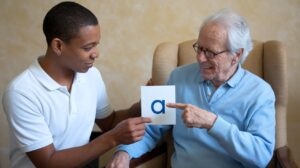
The three main therapies most people need after having a stroke include physical therapy, occupational therapy, and speech therapy. These therapies work together to address different aspects of recovery, from motor function to communication skills. Research shows that patients who begin rehabilitation within 24-48 hours of stroke onset have significantly better outcomes than those who start later.
Physical Therapy Exercises for Stroke Recovery
Physical therapy forms the cornerstone of stroke rehabilitation, focusing on restoring movement, balance, and strength. Exercise for stroke patients legs and arms targets the most commonly affected areas after a stroke. These exercises help rebuild muscle strength, improve coordination, and restore functional movement patterns essential for daily activities.
The key to successful physical therapy lies in consistency and progressive difficulty. Starting with simple range-of-motion exercises and gradually advancing to more complex movements helps prevent injury while maximizing recovery potential. Stroke patients typically begin with passive exercises, where a therapist moves the affected limbs, before progressing to active-assisted and eventually independent exercises.
Leg Exercises for Stroke Patients
Leg exercises for stroke patients are vital for restoring mobility and preventing complications like blood clots. Essential exercises include ankle pumps, where patients flex and point their feet repeatedly, and heel slides, which involve sliding the heel toward the buttocks while lying down. Seated marching exercises help strengthen hip flexors and improve coordination. These exercises can be performed 2-3 times daily, with 10-15 repetitions per exercise, depending on the patient’s tolerance and ability level.
Arm and Upper Body Exercises
Upper extremity exercises focus on restoring function to the arms, shoulders, and hands. Exercises for stroke patients include shoulder rolls, arm raises, and finger exercises using therapeutic putty or stress balls. Table-top exercises, where patients slide their affected arm across a smooth surface, help improve shoulder mobility and reduce stiffness. Progressive resistance exercises using light weights or resistance bands can be introduced as strength improves, typically after 4-6 weeks of consistent practice.
Home-Based Stroke Rehabilitation Exercises
Stroke rehabilitation exercises at home provide convenient and cost-effective recovery options for patients. Home exercises allow for more frequent practice sessions and can be tailored to fit into daily routines. The key is maintaining proper form and consistency while ensuring safety measures are in place. Family members or caregivers should be trained to assist with exercises and recognize signs of fatigue or overexertion.
Creating a structured home exercise program requires careful planning and professional guidance. Stroke patients should receive detailed instructions, including proper technique, frequency, and progression guidelines. Regular check-ins with healthcare providers ensure the program remains appropriate and effective as recovery progresses.
Bed Exercises for Stroke Patients
Bed exercises for stroke patients are essential for individuals with limited mobility or those in the early stages of recovery. These exercises prevent muscle atrophy, maintain joint flexibility, and improve circulation. Basic bed exercises include ankle circles, knee bends, and arm stretches that can be performed while lying down. Deep breathing exercises combined with gentle movements help prevent pneumonia and other complications common in bedridden patients.
Standing and Walking Exercises
Progressive mobility exercises help stroke patients transition from bed to standing and eventually walking. Sit-to-stand exercises build leg strength and improve balance, while standing balance exercises using support rails enhance stability. Heel-to-toe walking exercises improve coordination and gait patterns. These exercises should be performed with proper supervision and safety equipment to prevent falls, which affect approximately 37% of stroke survivors within six months of discharge.
Side-Specific Stroke Recovery Exercises
The side of the body affected by stroke determines specific exercise requirements and recovery strategies. Right side stroke recovery exercises and left side exercises target different functional deficits and compensatory patterns. Understanding these differences helps healthcare providers design more effective rehabilitation programs tailored to individual needs.
Exercises for stroke patients left side weakness require specific attention to dominant hand function and speech-related movements. Left-sided strokes often affect language centers, requiring integrated approaches that combine physical exercises with speech therapy activities. The recovery timeline may vary depending on the affected side, with some patients showing faster progress on one side than the other.
Right Side Stroke Recovery Techniques
Right side stroke recovery exercises focus on compensating for visual-spatial deficits and left-side neglect common in right hemisphere strokes. These exercises include visual scanning activities, mirror therapy, and bilateral coordination exercises. Patients practice reaching across the body’s midline and performing tasks that require spatial awareness. Balance exercises are particularly important since right-side strokes often affect spatial processing and fall risk increases significantly.
Left Side Stroke Recovery Approaches
Left hemisphere strokes typically affect language and sequential processing, requiring exercises for stroke patients left side that integrate communication with movement. These exercises include following verbal instructions while performing physical tasks, sequencing activities, and rhythm-based movements. Hand and finger exercises for fine motor control are crucial since left-side strokes often affect dominant hand function in right-handed individuals, impacting writing, eating, and other daily activities.
Cognitive and Mental Exercises for Stroke Recovery
Cognitive rehabilitation plays a crucial role in stroke recovery, addressing memory, attention, and executive function deficits. Brain exercises help rebuild neural pathways and improve cognitive processing speed. Research shows that combining cognitive exercises with physical activities enhances overall recovery outcomes through increased neuroplasticity and improved brain function.
Mental exercises include memory games, problem-solving activities, and attention training tasks. Board games and strategy games provide engaging ways to practice cognitive skills while social interaction supports emotional well-being. These activities should be progressively challenging, starting with simple tasks and advancing to more complex cognitive demands as improvement occurs.
Memory and Attention Exercises
Memory games and attention training exercises help stroke survivors regain cognitive function. These include card matching games, sequence finding activities, and money counting exercises that practice real-world skills. Computer-based cognitive training programs have shown effectiveness in improving attention span, processing speed, and working memory in stroke patients. Daily practice sessions of 30-45 minutes optimize cognitive recovery without causing mental fatigue.
Creative and Therapeutic Activities
Art and crafts activities provide therapeutic benefits while improving fine motor skills and cognitive function. These activities include drawing, painting, sculpting, and needlework that challenge hand-eye coordination and bilateral integration. Learning new hobbies stimulates neuroplasticity and provides motivation for continued recovery. Music therapy and creative writing exercises also support cognitive rehabilitation while addressing emotional and psychological aspects of stroke recovery.
Advanced Rehabilitation Techniques and Technology
Modern stroke rehabilitation incorporates advanced technologies and evidence-based techniques to enhance recovery outcomes. Virtual reality therapy, robotic-assisted training, and biofeedback systems provide innovative approaches to traditional stroke rehabilitation exercises. These technologies allow for more precise monitoring, consistent practice, and motivating feedback that encourages patient engagement.
Electrical stimulation therapy and constraint-induced movement therapy represent breakthrough approaches in stroke rehabilitation. Stroke patients using these advanced techniques often show accelerated recovery rates and improved functional outcomes compared to traditional therapy alone. Integration of technology with conventional exercises creates comprehensive rehabilitation programs that address multiple aspects of recovery simultaneously.
Recovery Timeline and Expectations
Understanding realistic recovery timelines helps set appropriate expectations for stroke rehabilitation exercises. Most significant recovery occurs within the first three to six months after stroke, though improvements can continue for years with consistent effort. The fastest recovery period typically occurs in the first 30 days, making intensive early intervention crucial for optimal outcomes.
Factors affecting recovery speed include stroke severity, location, age, and overall health status. Stroke patients who maintain consistent exercise routines, follow medical recommendations, and receive adequate support show better long-term outcomes. Recovery is rarely linear, with patients experiencing plateaus and breakthroughs at different stages of their rehabilitation journey.
Related video about stroke rehabilitation exercises
This video complements the article information with a practical visual demonstration.
Most asked questions about stroke rehabilitation exercises
What exercises are good for stroke recovery?
The best exercises for stroke recovery include range-of-motion exercises, strength training, balance activities, and gait training. Physical therapy exercises targeting affected limbs, cognitive exercises for brain function, and functional activities that practice daily living skills are essential. Consistency and gradual progression are key to successful recovery.
What are three therapies most people need after having a stroke?
The three essential therapies for stroke recovery are physical therapy (to restore movement and strength), occupational therapy (to regain daily living skills), and speech therapy (to address communication and swallowing difficulties). These therapies work together to provide comprehensive rehabilitation addressing physical, cognitive, and functional needs.
What happens in the first 3 days after a stroke?
The first three days after stroke are critical for stabilization and early intervention. Medical teams focus on preventing complications, assessing damage extent, and beginning early mobilization. Brain swelling peaks during this time, making monitoring essential. Early rehabilitation activities may include passive exercises, positioning, and basic assessments to prevent further complications.
What helps stroke patients recover faster?
Factors that accelerate stroke recovery include early intervention within 24-48 hours, intensive therapy sessions, consistent exercise routines, adequate nutrition, good sleep, and strong social support. Maintaining motivation, setting realistic goals, and using advanced rehabilitation technologies also contribute to faster recovery outcomes.
How long should stroke rehabilitation exercises be performed daily?
Stroke rehabilitation exercises should be performed 30-60 minutes daily, divided into 2-3 sessions to prevent fatigue. The duration depends on individual tolerance, stroke severity, and recovery stage. Early stages may require shorter sessions with more frequent breaks, while advanced recovery allows for longer, more intensive exercise periods.
Can stroke patients exercise at home safely?
Yes, stroke patients can safely exercise at home with proper instruction and safety measures. Home exercises should be prescribed by healthcare professionals, with family members trained to assist. Essential safety measures include clear pathways, supportive equipment, emergency contacts, and recognition of warning signs requiring immediate medical attention.
| Exercise Type | Key Benefits | Recommended Frequency |
|---|---|---|
| Physical Therapy | Restores movement, strength, and balance | Daily, 30-45 minutes |
| Cognitive Exercises | Improves memory, attention, and processing | Daily, 20-30 minutes |
| Home Exercises | Convenient, cost-effective recovery | 2-3 times daily |
| Bed Exercises | Prevents complications, maintains mobility | Every 2-3 hours |

Jude Deveraux, une auteure américaine renommée pour ses romans captivants de romance et de fiction historique, a créé un univers littéraire avec plus de 40 best-sellers du New York Times. Sa maîtrise de plusieurs langues enrichit sa connexion avec un public mondial, inspirant ainsi les lecteurs du monde entier avec des histoires intemporelles. En dehors de l’écriture, Jude Deveraux est passionnée par la peinture, la randonnée et la cuisine internationale.