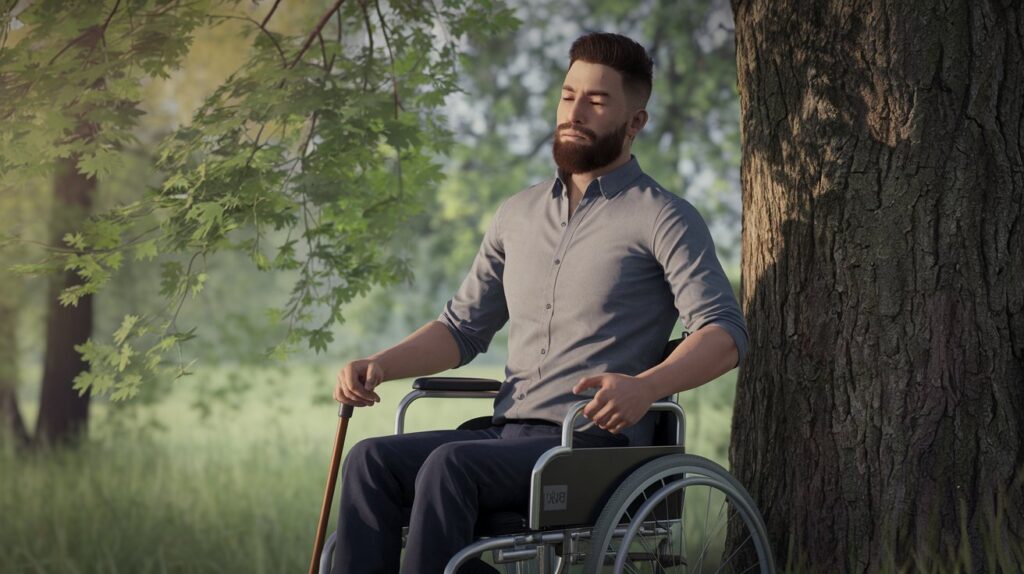
Paralysis treatment encompasses a comprehensive approach combining medical interventions, rehabilitation therapies, and adaptive strategies to maximize recovery and improve quality of life. With advancements in neurological care and rehabilitation medicine, patients experiencing paralysis treatment options have more hope for recovery than ever before. This guide explores evidence-based treatments, from immediate medical care to long-term rehabilitation protocols used across the United States.
Understanding Paralysis: Types and Causes
Paralysis occurs when the nervous system cannot send signals to muscles, resulting in loss of voluntary movement. The paralysis causes range from traumatic injuries to neurological diseases, each requiring specific treatment approaches. According to the National Spinal Cord Injury Statistical Center, approximately 294,000 Americans currently live with spinal cord injuries, with 17,810 new cases annually as of 2024.
The condition manifests in various forms, from temporary weakness to permanent loss of function. Symptoms of paralysis in legs often include complete loss of movement, altered sensation, and potential bowel or bladder dysfunction. Understanding the underlying cause is crucial for developing an effective treatment plan and predicting recovery outcomes.
Immediate Medical Response and Emergency Care
When paralysis occurs suddenly, immediate medical intervention is critical. What causes sudden paralysis in legs includes stroke, spinal cord injury, transverse myelitis, or severe infections. Emergency departments across the United States follow standardized protocols for paralysis cases, beginning with rapid neurological assessment and imaging studies.
The first 24-48 hours are considered the golden window for many paralysis treatment interventions. Healthcare providers focus on stabilizing the patient, preventing further injury, and administering medications like corticosteroids to reduce inflammation. Time-sensitive treatments such as thrombolytic therapy for stroke-related paralysis can significantly impact recovery outcomes when administered within the critical timeframe.
Medical Treatment Options
Modern paralysis treatment involves multiple medical approaches tailored to the specific type and cause of paralysis. Paralysis treatment injection therapies include botulinum toxin for spasticity management, steroid injections for inflammation reduction, and experimental treatments like stem cell therapy currently in clinical trials across major U.S. medical centers.
Pharmaceutical Interventions
Paralysis treatment tablets form a cornerstone of medical management, addressing various symptoms and complications. Medications include muscle relaxants like baclofen and tizanidine for spasticity, gabapentin for neuropathic pain, and modafinil for fatigue management. The FDA has approved several new formulations in 2024, including extended-release versions that improve patient compliance and symptom control throughout the day.
Surgical Interventions
Surgical options for paralysis treatment continue to evolve with technological advances. Procedures range from spinal decompression and fusion to experimental nerve transfer surgeries. Functional electrical stimulation (FES) implants, approved by the FDA in recent years, show promising results for patients with incomplete spinal cord injuries, with some centers reporting improved motor function in up to 40% of candidates.
Rehabilitation and Physical Therapy
Comprehensive rehabilitation forms the backbone of successful paralysis treatment programs. Physical therapy focuses on maintaining range of motion, preventing contractures, and maximizing remaining function. Occupational therapy addresses daily living skills and adaptive equipment training. The Commission on Accreditation of Rehabilitation Facilities (CARF) recognizes over 1,200 programs nationwide that meet specialized standards for paralysis care.
Modern rehabilitation incorporates cutting-edge technologies including robotic-assisted therapy, virtual reality training, and body-weight support treadmill systems. These interventions help patients relearn movement patterns and can stimulate neuroplasticity, the brain’s ability to form new neural connections. Recent studies show that intensive therapy programs can improve functional outcomes even years after initial injury.
Specialized Treatment for Different Types of Paralysis
Right side paralysis treatment typically results from left-brain stroke and requires specialized approaches addressing both motor and cognitive impairments. Treatment protocols focus on constraint-induced movement therapy, where the unaffected limb is restricted to encourage use of the paralyzed side. This approach has shown significant improvements in motor function when implemented within the first six months post-stroke.
Left-Side Paralysis Management
Treatment of paralysis on left side of body addresses right-brain stroke effects, often including spatial neglect and perceptual deficits. Therapeutic interventions include prism adaptation therapy, visual scanning training, and sensory integration techniques. Research from major rehabilitation centers indicates that comprehensive left-side paralysis programs can achieve functional improvements in 60-70% of patients within the first year of treatment.
Facial Paralysis Treatment
Facial paralysis treatment requires specialized approaches depending on the underlying cause, whether Bell’s palsy, stroke, or trauma. Treatment options include corticosteroid therapy, facial retraining exercises, and in severe cases, surgical interventions like nerve grafting or muscle transfers. The American Academy of Otolaryngology reports that early intervention within 72 hours of onset significantly improves recovery rates, with complete recovery occurring in 85% of Bell’s palsy cases.
Advanced and Emerging Treatments
The landscape of paralysis treatment continues to evolve with breakthrough technologies and research findings. Epidural stimulation, where electrodes are implanted over the spinal cord, has shown remarkable results in clinical trials, with some patients regaining voluntary movement after years of paralysis. The FDA has fast-tracked several devices for regulatory approval, with commercial availability expected by 2025.
Stem cell therapy represents another frontier in paralysis treatment, with multiple clinical trials ongoing across the United States. While still experimental, early results suggest potential for neural regeneration and functional recovery. The National Institute of Health currently funds over 50 studies investigating various stem cell approaches for spinal cord injury and stroke-related paralysis.
Adaptive Equipment and Assistive Technology
Modern assistive technology plays a crucial role in paralysis treatment by enhancing independence and quality of life. Wheelchairs have evolved from basic mobility aids to sophisticated devices with standing capabilities, all-terrain features, and smart home integration. The Veterans Administration and Medicare coverage policies have expanded to include advanced mobility equipment, recognizing their importance in comprehensive care.
Smart home technology integration allows individuals with paralysis to control their environment through voice commands, eye tracking, or breath control. Brain-computer interfaces, while still largely experimental, show promise for direct neural control of external devices. Several U.S. companies are developing consumer-grade systems expected to reach market by 2025.
Psychological Support and Mental Health
The psychological impact of paralysis requires dedicated attention within comprehensive paralysis treatment programs. Depression affects approximately 30-40% of individuals with spinal cord injuries, making mental health support essential. Cognitive-behavioral therapy, support groups, and peer counseling programs have demonstrated effectiveness in improving psychological adaptation and overall treatment outcomes.
Family involvement in psychological care significantly impacts recovery success. Support programs for caregivers and family members help create a positive environment for healing. The National Spinal Cord Injury Association provides resources and support networks across all 50 states, connecting patients and families with others facing similar challenges.
Long-term Management and Prevention
Successful paralysis treatment extends beyond initial recovery to encompass lifelong health management. Secondary complications such as pressure sores, urinary tract infections, and cardiovascular deconditioning require ongoing attention and preventive strategies. Regular medical monitoring, skin care protocols, and fitness programs adapted for paralysis help maintain optimal health and prevent complications.
Nutritional support plays a vital role in long-term management, with specialized dietitians helping patients maintain healthy weight and prevent metabolic complications. Bone health monitoring becomes crucial due to increased osteoporosis risk, with regular screening and appropriate interventions helping prevent fractures and other complications associated with decreased mobility.
Related video about paralysis treatment
This video complements the article information with a practical visual demonstration.
Everything you need to know about paralysis treatment
What helps with paralysis recovery?
Comprehensive paralysis treatment includes physical therapy, occupational therapy, medications for symptom management, and adaptive equipment. Early intervention, consistent rehabilitation, and psychological support significantly improve recovery outcomes. Modern approaches incorporate robotic therapy, electrical stimulation, and emerging treatments like stem cell therapy to maximize functional recovery.
Which treatment is best for paralysis?
The best paralysis treatment depends on the underlying cause, location, and severity of paralysis. Stroke-related paralysis may benefit from constraint-induced movement therapy, while spinal cord injuries require comprehensive rehabilitation programs. Combination approaches using medications, physical therapy, and assistive technology typically provide optimal results for most patients.
How to cope with becoming paralyzed?
Coping with paralysis involves accepting the new reality while focusing on remaining abilities and potential for recovery. Professional counseling, peer support groups, and family involvement help with emotional adaptation. Learning new skills, using adaptive equipment, and maintaining social connections contribute to successful psychological adjustment and improved quality of life.
What to expect after paralysis?
Recovery after paralysis varies widely depending on the cause and extent of injury. Initial rehabilitation typically lasts 3-6 months, with ongoing improvements possible for years. Patients can expect to learn new ways of performing daily activities, may regain some function through therapy, and will need ongoing medical care to prevent complications and maintain optimal health.
Are paralysis treatment injections effective?
Paralysis treatment injections show effectiveness for specific conditions and symptoms. Botulinum toxin injections effectively manage spasticity and muscle stiffness, while corticosteroid injections reduce inflammation in acute cases. Experimental treatments like stem cell injections are being studied in clinical trials, with promising early results for certain types of paralysis.
Can paralysis be cured with tablets?
While paralysis treatment tablets cannot cure paralysis, they effectively manage symptoms and complications. Medications control spasticity, reduce pain, prevent blood clots, and address bladder dysfunction. Some new drugs show promise for promoting nerve regeneration, but complete cure through medication alone remains unlikely for most types of paralysis.
| Treatment Type | Key Benefits | Success Rate |
|---|---|---|
| Physical Therapy | Maintains function, prevents complications | 85-90% show improvement |
| Medication Management | Controls symptoms, reduces pain | 70-80% symptom relief |
| Electrical Stimulation | Promotes nerve regeneration | 40-60% functional improvement |
| Assistive Technology | Enhances independence | 95% improved quality of life |

Jude Deveraux, une auteure américaine renommée pour ses romans captivants de romance et de fiction historique, a créé un univers littéraire avec plus de 40 best-sellers du New York Times. Sa maîtrise de plusieurs langues enrichit sa connexion avec un public mondial, inspirant ainsi les lecteurs du monde entier avec des histoires intemporelles. En dehors de l’écriture, Jude Deveraux est passionnée par la peinture, la randonnée et la cuisine internationale.