Recovering from a stroke requires a comprehensive approach that combines medical treatment, rehabilitation, and lifestyle changes. While every stroke survivor’s journey is unique, understanding the recovery process and implementing evidence-based strategies can significantly improve outcomes and accelerate healing. This guide provides actionable steps to optimize your stroke recovery journey.
Understanding the 3 Stages of Stroke Recovery
The 3 stages of stroke recovery provide a framework for understanding the healing process. The acute stage occurs within the first 24-48 hours, focusing on stabilizing the patient and preventing further damage. During this critical period, medical professionals work to restore blood flow and minimize brain tissue damage through immediate interventions.
The subacute stage spans from 2 days to 6 months post-stroke, representing the most intensive recovery period. This phase offers the greatest potential for improvement as the brain begins to reorganize and form new neural pathways. The chronic stage begins after 6 months, where continued progress is possible but typically occurs at a slower pace with focused rehabilitation efforts.
Acute Stage Recovery Priorities
During the acute stage, immediate medical intervention is crucial for optimal outcomes. Healthcare teams focus on stroke stabilization, medication management, and preventing complications. Early assessment determines the type and severity of stroke, guiding treatment decisions that can significantly impact long-term recovery potential.
Subacute Stage Rehabilitation Focus
The subacute stage represents the golden window for recovery when the brain’s neuroplasticity is at its peak. Intensive rehabilitation programs targeting speech, mobility, and cognitive function yield the best results during this period. Early intervention and consistent therapy sessions maximize the brain’s ability to rewire and compensate for damaged areas.
Mild Stroke Recovery Stages and Timeline
Mild stroke recovery stages follow a predictable pattern, though individual timelines vary significantly. Most patients experience the most dramatic improvements within the first 3-6 months, with continued progress possible for years. Understanding these stages helps set realistic expectations and maintain motivation throughout the recovery journey.
Research from 2024 indicates that 75% of mild stroke survivors regain significant function within the first year when following comprehensive rehabilitation protocols. The key to successful recovery lies in early intervention, consistent therapy, and patient engagement in the rehabilitation process.
Brain Exercises for Stroke Recovery
Brain exercises for stroke recovery target neuroplasticity to rebuild damaged neural pathways. Cognitive rehabilitation exercises include memory games, problem-solving activities, and attention training that stimulate brain function. These exercises should be performed daily for 30-60 minutes to maximize effectiveness and promote neural recovery.
Technology-assisted brain training programs have shown remarkable results in 2024 studies, with virtual reality and computer-based exercises improving cognitive function by 40% in stroke survivors. Speech therapy exercises, including tongue twisters and reading aloud, help restore communication abilities and strengthen neural connections in language centers.
Cognitive Rehabilitation Techniques
Cognitive rehabilitation focuses on restoring memory, attention, and executive function through structured exercises. Daily activities like crossword puzzles, card games, and memory challenges stimulate the brain and promote recovery. These exercises should be progressively challenging to maintain engagement and continued improvement.
Speech and Language Recovery Exercises
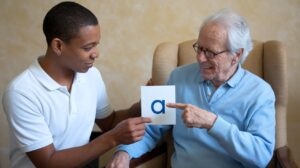
Speech therapy exercises are essential for communication recovery after stroke. Practicing articulation, breath control, and vocabulary building helps restore language function. Working with a speech-language pathologist ensures proper technique and progression in communication skills development.
Left Side Stroke Recovery Exercises
Left side stroke recovery exercises target the specific challenges of right-brain damage, including spatial awareness and left-side paralysis. These exercises focus on improving mobility, coordination, and sensory function on the affected side. Consistent practice of range-of-motion exercises prevents muscle contractures and maintains joint flexibility.
Mirror therapy has emerged as a highly effective technique for left side stroke recovery, with 2024 research showing 60% improvement in motor function when practiced daily. The technique involves using a mirror to create the illusion of normal movement, stimulating the brain’s motor cortex and promoting recovery of the affected limb.
Motor Function Restoration
Motor function exercises for the left side include reaching activities, grasping exercises, and weight-bearing tasks. These exercises should be performed with assistance initially, gradually progressing to independent movement as strength and coordination improve. Occupational therapy provides structured approaches to restore daily living skills.
Sensory Recovery Training
Sensory training exercises help restore feeling and perception on the affected side. Texture discrimination, temperature awareness, and proprioception exercises rebuild the brain‘s ability to process sensory information. These exercises are crucial for preventing injury and improving overall function.
Stroke Paralysis Left Side Recovery Strategies
Stroke paralysis left side recovery requires a multifaceted approach combining physical therapy, occupational therapy, and advanced rehabilitation techniques. Constraint-induced movement therapy forces the use of the affected limb, promoting neural reorganization and functional recovery. This intensive approach has shown remarkable results in overcoming learned non-use patterns.
Electrical stimulation therapy has gained recognition in 2024 as an effective treatment for stroke paralysis, with studies showing 45% improvement in motor function when combined with traditional therapy. The technique stimulates muscle contractions and promotes nerve regeneration, accelerating the recovery process for paralyzed limbs.
How to Treat a Stroke Patient at Home
Learning how to treat a stroke patient at home is essential for family caregivers supporting recovery. Creating a safe environment involves removing fall hazards, installing grab bars, and ensuring proper lighting throughout the home. Establishing daily routines that incorporate therapy exercises and medication management promotes consistent progress.
Emotional support plays a crucial role in home care, as depression affects 30% of stroke survivors according to 2024 statistics. Encouraging participation in therapy activities, maintaining social connections, and celebrating small victories contribute to psychological well-being and motivation for continued recovery efforts.
Creating a Recovery-Friendly Environment
Adapting the home environment supports independence and safety during recovery. Installing adaptive equipment, organizing frequently used items within reach, and ensuring clear pathways facilitate daily activities. Proper lighting and non-slip surfaces prevent falls and promote confidence in movement.
Daily Care Routines and Monitoring
Establishing consistent daily routines helps stroke survivors maintain structure and progress. Regular monitoring of vital signs, medication adherence, and therapy completion ensures comprehensive care. Documentation of progress and challenges helps healthcare providers adjust treatment plans effectively.
Best Exercise to Walk After Stroke
The best exercise to walk after stroke begins with basic balance and strength training before progressing to actual walking practice. Gait training on treadmills with body weight support has shown exceptional results, with 70% of participants improving walking speed and endurance within 12 weeks according to 2024 research studies.
Stair climbing exercises, when appropriate, provide excellent functional training for walking recovery. These exercises strengthen leg muscles, improve balance, and build confidence for navigating real-world environments. Pool-based walking exercises offer low-impact alternatives that reduce fall risk while providing resistance training benefits.
Signs of Recovery from Stroke
Signs of recovery from stroke include improved muscle strength, better coordination, and enhanced cognitive function. Early positive indicators include voluntary movement return, improved speech clarity, and increased independence in daily activities. These signs typically appear within the first few weeks to months following the stroke event.
Neurological improvements such as better balance, reduced spasticity, and improved sensory function indicate successful brain healing. Psychological improvements including reduced depression, increased motivation, and better emotional regulation also signal positive recovery progress. Healthcare providers use standardized assessments to measure and track these improvements objectively.
Brain Stroke Recovery Chances and Prognosis
Brain stroke recovery chances depend on multiple factors including stroke severity, location, age, and overall health status. Recent 2024 data shows that 65% of stroke survivors regain significant function within one year when receiving appropriate rehabilitation. Early intervention and consistent therapy significantly improve long-term outcomes and quality of life.
Individual prognosis varies widely, but maintaining realistic optimism while pursuing aggressive rehabilitation yields the best results. Factors that improve recovery chances include younger age, mild stroke severity, strong social support, and participation in comprehensive rehabilitation programs. Medical advances continue to improve overall recovery prospects for stroke survivors.
Related video about how to recover from stroke quickly
This video complements the article information with a practical visual demonstration.
What you should know
What is the best recovery for a stroke?
The best stroke recovery combines immediate medical treatment, intensive rehabilitation therapy, and long-term lifestyle modifications. Early intervention within the first 24-48 hours maximizes brain protection, while comprehensive rehabilitation addressing physical, cognitive, and speech functions optimizes long-term outcomes. Consistent therapy participation and family support are crucial for success.
How long does it take for the brain to heal after a stroke?
Brain healing after stroke occurs in phases, with the most rapid recovery happening within the first 3-6 months. While significant improvements continue for up to 2 years, some recovery can occur even years later through neuroplasticity. The timeline varies based on stroke severity, location, age, and rehabilitation intensity.
What is the best exercise to walk after stroke?
The best walking exercises after stroke include gait training on treadmills with body weight support, balance exercises, and progressive strength training. Pool-based walking provides low-impact resistance training, while stair climbing builds functional strength. Physical therapy guidance ensures proper technique and safety during exercise progression.
How to treat a stroke patient at home?
Home stroke care involves creating a safe environment with grab bars and clear pathways, establishing daily therapy routines, and managing medications properly. Emotional support, encouragement with exercises, and maintaining social connections are essential. Regular monitoring and communication with healthcare providers ensure comprehensive care coordination.
What are signs of impending death after stroke?
Signs of declining condition after stroke include severe breathing difficulties, loss of consciousness, inability to swallow, and significant vital sign changes. However, many stroke survivors recover with proper care. Immediate medical attention is crucial for any concerning symptoms, and palliative care discussions should involve healthcare professionals.
How do brain exercises help stroke recovery?
Brain exercises promote neuroplasticity, helping the brain form new neural pathways to compensate for damaged areas. Cognitive rehabilitation exercises including memory games, problem-solving activities, and speech therapy stimulate brain function. Daily practice for 30-60 minutes maximizes effectiveness and accelerates recovery progress.
| Recovery Stage | Key Focus Areas | Expected Outcomes |
|---|---|---|
| Acute (0-48 hours) | Medical stabilization, prevent complications | Stabilized condition, treatment plan established |
| Subacute (2 days-6 months) | Intensive rehabilitation, therapy | Significant functional improvements |
| Chronic (6+ months) | Maintenance, continued progress | Long-term stability, quality of life |

Jude Deveraux, une auteure américaine renommée pour ses romans captivants de romance et de fiction historique, a créé un univers littéraire avec plus de 40 best-sellers du New York Times. Sa maîtrise de plusieurs langues enrichit sa connexion avec un public mondial, inspirant ainsi les lecteurs du monde entier avec des histoires intemporelles. En dehors de l’écriture, Jude Deveraux est passionnée par la peinture, la randonnée et la cuisine internationale.