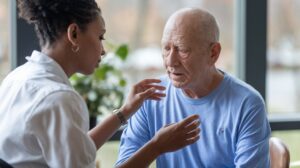
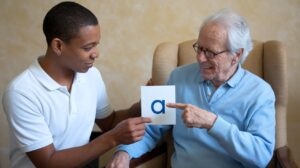
Understanding the hand recovery after stroke timeline is crucial for patients and families navigating this challenging journey. Hand function recovery follows a predictable pattern, with the most significant improvements occurring in the first 3-6 months post-stroke. This comprehensive guide outlines what to expect during each phase of recovery, from initial treatment through long-term rehabilitation.
Day 1: Initial Treatment and Assessment
The first 24-48 hours following a stroke are critical for establishing the foundation of hand recovery after stroke timeline. Medical teams focus on stabilizing the patient and conducting comprehensive neurological assessments to determine the extent of hand and arm impairment. During this acute phase, healthcare providers evaluate grip strength, finger movement, and sensation to create a baseline for future recovery measurements.
Emergency stroke protocols in 2024 emphasize rapid intervention within the first 4.5 hours, as this golden window significantly impacts long-term recovery outcomes. Approximately 80% of stroke survivors experience some degree of hand weakness or paralysis initially, making early assessment crucial for developing an effective rehabilitation plan.
First Few Weeks After Stroke
The initial weeks represent a critical period in the stroke recovery timeline where medical stability is achieved and rehabilitation begins. During this phase, patients typically remain hospitalized for 3-7 days, depending on stroke severity and complications. Hand function assessment becomes more detailed as swelling reduces and neurological status stabilizes.
Occupational therapists begin working with patients as early as 24-48 hours post-stroke, focusing on basic hand exercises and preventing contractures. Simple activities like squeezing a stress ball or attempting to make a fist help maintain muscle memory and promote early neural pathway recovery.
Stroke Rehabilitation Priorities
Primary rehabilitation priorities during the first weeks include preventing complications and establishing basic movement patterns. Therapists focus on hand recovery exercises that target fine motor skills, grip strength, and coordination. Range of motion exercises are performed multiple times daily to prevent joint stiffness and maintain flexibility in affected fingers and wrists.
Leaving the Hospital After Stroke
Most stroke patients transition to outpatient care or rehabilitation facilities within 5-10 days. Before discharge, occupational therapists assess the patient’s ability to perform basic activities of daily living using their affected hand. This evaluation determines whether additional support services or adaptive equipment will be needed at home to continue the hand recovery process.
1-3 Months Post-Stroke Recovery Phase
The first three months represent the most dynamic period in the hand recovery after stroke timeline. During this phase, patients typically experience the most significant improvements in hand function, with studies showing that 60-70% of eventual recovery occurs within this window. Neuroplasticity is at its peak, allowing the brain to form new neural connections and compensate for damaged areas.
Intensive rehabilitation programs during this period focus on task-specific training, where patients practice real-world activities like buttoning shirts, writing, or using utensils. The frequency of therapy sessions typically ranges from 3-5 times per week, with each session lasting 45-60 minutes.
Spontaneous Recovery
Spontaneous recovery refers to the natural healing process where brain function improves without direct intervention. This phenomenon is most pronounced in the first 3 months post-stroke, with patients often experiencing sudden improvements in hand movement and sensation. Understanding this timeline helps set realistic expectations for recovery progress.
Anticipating Setbacks
Recovery is rarely linear, and patients should expect temporary setbacks during the 1-3 month period. Factors such as fatigue, depression, or minor illnesses can temporarily affect hand function recovery. These setbacks are normal and don’t indicate permanent loss of progress. Consistent therapy and patience are key to overcoming these challenges.
Exploring New Treatments
Advanced treatments available in 2024 include robotic-assisted therapy, virtual reality training, and electrical stimulation devices. These innovative approaches to hand rehabilitation after stroke have shown promising results in clinical trials, with some patients experiencing additional improvements beyond traditional therapy methods.
Right Hand Paralysis After Stroke Recovery
Right hand paralysis after stroke presents unique challenges, especially for right-handed individuals who must adapt to using their non-dominant hand for daily activities. Recovery patterns for right-side paralysis are often linked to left-brain damage, which controls language and logical thinking functions. This type of stroke affects approximately 55% of stroke survivors.
Rehabilitation for right hand paralysis focuses on constraint-induced movement therapy, where the unaffected hand is temporarily restricted to encourage use of the affected hand. This approach has shown significant success rates, with 70-80% of patients experiencing measurable improvements in hand function within 6 months of consistent therapy.
Left Hand Paralysis After Stroke Recovery
Left hand paralysis after stroke typically results from right-brain damage and affects spatial awareness and visual processing. While left-handed individuals face greater challenges adapting to right-hand dominance, the recovery process follows similar timelines to right-hand paralysis. Approximately 45% of stroke survivors experience left-side weakness or paralysis.
Specialized therapy techniques for left hand recovery include mirror therapy, where patients observe their unaffected hand performing movements while attempting to mirror these actions with the affected hand. This technique has shown remarkable success in retraining neural pathways and improving motor function in the affected limb.
The 6-Month Mark and Beyond
The six-month milestone marks a significant transition in the hand recovery after stroke timeline. While the rate of spontaneous recovery slows considerably after this point, continued improvement is still possible with dedicated therapy and practice. Research from 2024 indicates that patients can continue to see meaningful gains in hand function for up to two years post-stroke with consistent rehabilitation efforts.
Long-term recovery strategies focus on maintaining achieved gains and preventing regression. Home exercise programs become increasingly important, with patients typically performing 30-45 minutes of hand exercises daily. Technology integration, including smartphone apps and wearable devices, helps track progress and maintain motivation during this extended recovery phase.
How to Recover from Stroke Quickly
Accelerating stroke recovery requires a comprehensive approach combining medical treatment, intensive rehabilitation, and lifestyle modifications. The most effective strategies include starting rehabilitation within 24-48 hours post-stroke, maintaining consistency in therapy sessions, and incorporating technology-assisted training methods. Studies show that patients who engage in high-intensity therapy sessions (3+ hours daily) during the first 3 months achieve 40% better outcomes than those with standard therapy schedules.
Nutritional support plays a crucial role in rapid recovery, with emphasis on anti-inflammatory foods, omega-3 fatty acids, and adequate protein intake to support neural repair. Sleep optimization, stress management, and family support systems also contribute significantly to accelerated hand function recovery timelines.
Good Signs of Stroke Recovery
Recognizing positive signs of stroke recovery helps patients and families maintain hope and motivation throughout the rehabilitation process. Early indicators include return of sensation in fingertips, ability to make a fist, and involuntary muscle contractions in the affected hand. These signs typically appear within the first 2-4 weeks post-stroke and indicate intact neural pathways.
Progressive recovery signs include improved grip strength, coordination between fingers, and the ability to perform isolated finger movements. Advanced recovery indicators include successful completion of fine motor tasks such as writing, typing, or manipulating small objects. Approximately 65% of stroke survivors achieve functional hand use within 6 months when these positive signs are present early in recovery.
Stroke Recovery After 2 Years
Stroke recovery after 2 years enters the chronic phase, where improvements become more gradual but remain possible with targeted interventions. Recent research challenges the traditional belief that recovery plateaus after one year, showing that neuroplasticity continues throughout life. Patients who maintain active rehabilitation programs can achieve meaningful improvements even years after their initial stroke.
Long-term recovery strategies focus on activity-based training, where patients practice real-world tasks repeatedly to strengthen neural pathways. Emerging treatments such as transcranial magnetic stimulation and stem cell therapy show promise for chronic stroke survivors, with clinical trials demonstrating modest but significant improvements in hand function even in patients 2-5 years post-stroke.
Related video about hand recovery after stroke timeline
This video complements the article information with a practical visual demonstration.
Your questions answered
How long does it take for your hands to heal after a stroke?
Hand recovery after stroke varies significantly between individuals, but most patients see substantial improvements within 3-6 months. The first 3 months show the most dramatic recovery, with 60-70% of eventual hand function typically returning during this period. Complete recovery can take 6 months to 2 years, and some patients continue improving beyond this timeframe with consistent therapy.
How do you rehab a hand after a stroke?
Hand rehabilitation after stroke involves a combination of occupational therapy, physical exercises, and task-specific training. Common techniques include range of motion exercises, grip strengthening, fine motor skill practice, and constraint-induced movement therapy. Modern approaches incorporate technology like robotic-assisted therapy and virtual reality training to enhance recovery outcomes.
How do you wake up your hand after a stroke?
Waking up a paralyzed hand after stroke requires consistent stimulation through various techniques. Methods include electrical stimulation therapy, mirror therapy, repetitive task practice, and sensory stimulation exercises. The key is maintaining regular therapy sessions and practicing prescribed exercises daily to encourage neural pathway regeneration and muscle memory recovery.
What are the good signs of stroke recovery?
Positive signs of stroke recovery include return of sensation in fingertips, ability to make voluntary movements, improved grip strength, and successful completion of basic tasks. Early indicators like involuntary muscle contractions and return of reflexes within the first month suggest good recovery potential. Progressive improvements in coordination and fine motor skills indicate ongoing neural repair.
Can you recover hand function 2 years after stroke?
Yes, hand function recovery can continue beyond 2 years post-stroke, although improvements are typically more gradual. Recent research shows that neuroplasticity continues throughout life, allowing for ongoing recovery with proper rehabilitation. Patients who maintain active therapy programs and incorporate new treatment technologies can achieve meaningful improvements even years after their initial stroke.
What is the difference between right and left hand paralysis recovery?
Right hand paralysis typically results from left-brain damage and may affect language and logical thinking, while left hand paralysis from right-brain damage can impact spatial awareness. Recovery timelines are similar for both sides, though right-handed individuals face greater challenges adapting to left-hand dominance. Treatment approaches are tailored to address the specific deficits associated with each type of paralysis.
| Recovery Phase | Timeline | Key Milestones |
|---|---|---|
| Acute Phase | Day 1-7 | Medical stabilization, initial assessment |
| Early Recovery | Weeks 1-4 | Basic movement return, therapy initiation |
| Intensive Recovery | Months 1-3 | 60-70% of total recovery achieved |
| Extended Recovery | Months 3-6 | Continued improvement, functional gains |
| Long-term Recovery | 6 months – 2 years | Gradual improvements, plateau prevention |

Jude Deveraux, une auteure américaine renommée pour ses romans captivants de romance et de fiction historique, a créé un univers littéraire avec plus de 40 best-sellers du New York Times. Sa maîtrise de plusieurs langues enrichit sa connexion avec un public mondial, inspirant ainsi les lecteurs du monde entier avec des histoires intemporelles. En dehors de l’écriture, Jude Deveraux est passionnée par la peinture, la randonnée et la cuisine internationale.