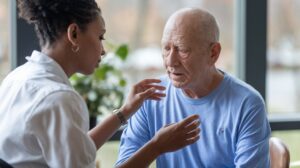
Speech therapy for stroke patients is a crucial rehabilitation process that helps restore communication abilities after a stroke. According to the American Stroke Association, approximately 25-40% of stroke survivors experience speech and language difficulties. Speech therapy for stroke patients focuses on improving articulation, language comprehension, and swallowing functions through targeted exercises and professional intervention.
Understanding How Stroke Affects Speech
A stroke occurs when blood flow to the brain is interrupted, causing brain cells to die due to lack of oxygen. This damage directly impacts the areas of the brain responsible for speech, language, and swallowing. The left hemisphere of the brain, particularly Broca’s and Wernicke’s areas, controls most speech functions. When these regions are damaged, stroke patients may experience various communication challenges that require immediate and ongoing speech therapy intervention.
The severity of speech impairment depends on the location and extent of brain damage. Some patients may have difficulty forming words, while others struggle with understanding language or organizing their thoughts. Research from the National Institute of Health shows that early intervention with speech therapy for stroke patients significantly improves recovery outcomes, with 70% of patients showing measurable improvement within the first six months.
Acquired Apraxia of Speech
Acquired apraxia of speech is a motor speech disorder that affects the ability to plan and coordinate the movements needed for speech. Stroke patients with apraxia know what they want to say but cannot coordinate the muscle movements to produce the sounds correctly. This condition affects approximately 10-15% of stroke survivors and requires specialized speech therapy techniques focusing on motor planning and coordination exercises.
Dysarthria vs Apraxia
Dysarthria and apraxia are two distinct speech disorders that can affect stroke patients. Dysarthria results from muscle weakness or paralysis, causing slurred or unclear speech, while apraxia involves difficulty planning speech movements despite normal muscle strength. Understanding this difference is crucial for speech therapists to develop appropriate treatment plans and help patients achieve optimal recovery outcomes.
What Does a Speech Therapist Do for Stroke Patients
A speech therapist conducts comprehensive evaluations to assess speech, language, cognitive, and swallowing abilities in stroke survivors. The initial assessment includes standardized tests, oral motor examinations, and functional communication evaluations. Based on these findings, the therapist develops individualized treatment plans targeting specific deficits. Speech therapy for stroke patients typically involves exercises to strengthen oral muscles, improve articulation, enhance language comprehension, and develop alternative communication strategies.
Modern speech therapy approaches incorporate technology-based interventions, including computer programs and mobile applications designed specifically for stroke recovery. Speech therapists also provide family education and training to ensure consistent support throughout the recovery process. The therapy sessions focus on practical communication skills needed for daily activities, helping patients regain independence and confidence in their communication abilities.
Speech Therapy Exercises for Stroke Patients
Effective speech therapy exercises for stroke patients target multiple aspects of communication recovery. These exercises are designed to be progressive, starting with basic movements and advancing to complex speech patterns. Professional therapists customize exercise programs based on individual needs, ensuring optimal results for each patient’s specific challenges and goals.
Strengthen Your Tongue and Lips
Tongue and lip strengthening exercises are fundamental components of speech therapy for stroke patients. These exercises include tongue protrusion, lateral tongue movements, lip pursing, and resistance exercises using tongue depressors. Regular practice of these exercises helps improve muscle strength and coordination, leading to clearer speech production. Patients typically perform these exercises 10-15 times per session, three times daily.
Match and Identify Objects
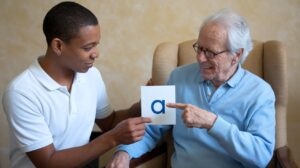
Cognitive-linguistic exercises involving object matching and identification help stroke patients rebuild language processing skills. These activities strengthen the connection between visual input and language output, improving word retrieval and comprehension. Therapists use picture cards, real objects, and digital applications to make these exercises engaging and progressively challenging for optimal recovery outcomes.
Stroke Speech Recovery Time and Expectations
The timeline for stroke speech recovery varies significantly among patients, depending on factors such as age, severity of damage, and consistency of therapy. Most patients see initial improvements within 2-4 weeks of starting therapy, with continued progress over 6-12 months. Research indicates that intensive therapy in the first three months post-stroke yields the best outcomes, with 60-70% of patients achieving functional communication abilities.
Recovery continues beyond the acute phase, with some patients showing improvement up to two years post-stroke. The key to successful recovery is consistent participation in speech therapy for stroke patients and regular practice of prescribed exercises. Family support and encouragement play crucial roles in maintaining motivation and achieving long-term communication goals.
Speech Therapy for Stroke Patients at Home
Home-based speech therapy for stroke patients has become increasingly popular, especially following the 2020-2024 healthcare changes. Teletherapy sessions allow patients to receive professional guidance while practicing in familiar environments. Many insurance plans now cover virtual speech therapy sessions, making treatment more accessible. Home therapy programs include structured exercises, family training, and regular progress monitoring through video consultations.
Technology platforms designed for stroke patients provide interactive exercises, progress tracking, and direct communication with therapists. These tools help maintain consistency between in-person sessions and enable continuous practice. Studies show that patients who combine in-person and home-based therapy achieve 30% better outcomes than those receiving only traditional clinic-based treatment.
Free Online Speech Therapy Resources
Numerous free online speech therapy resources are available for stroke patients and their families. The American Speech-Language-Hearing Association provides downloadable worksheets, exercise guides, and educational materials. University programs offer research-based applications and therapy tools at no cost. These resources complement professional therapy but should not replace direct therapist supervision and guidance.
Popular online platforms include speech therapy apps, YouTube exercise videos, and interactive websites designed specifically for stroke patients. While these resources are valuable supplements to professional treatment, patients should always consult with their speech therapist before incorporating new exercises or techniques into their recovery routine.
Speech Therapy Worksheets and Practice Materials
Stroke speech therapy worksheets provide structured practice opportunities for patients to work on specific skills between therapy sessions. These materials include articulation exercises, word lists, sentence completion tasks, and reading comprehension activities. Therapists customize worksheets based on individual patient needs and progress levels, ensuring appropriate challenge and achievable goals.
Modern worksheet collections incorporate visual aids, audio components, and interactive elements to enhance engagement and effectiveness. Digital versions allow for easy access and can be shared between patients, families, and therapists. Regular use of these materials helps maintain progress and reinforces skills learned during formal therapy sessions.
Finding Speech Therapy for Stroke Patients Near Me
Locating qualified speech therapy for stroke patients near me requires research and consideration of several factors. Start by consulting with your stroke treatment team, including neurologists and physiatrists, who can provide referrals to experienced speech-language pathologists. Hospital-based rehabilitation centers often have specialized stroke programs with dedicated speech therapy departments.
Insurance coverage varies, but most plans cover medically necessary speech therapy for stroke patients. Contact your insurance provider to understand coverage limits and approved providers in your area. Many outpatient clinics, rehabilitation hospitals, and skilled nursing facilities offer comprehensive stroke speech therapy programs with flexible scheduling options to accommodate individual needs and preferences.
What Not to Say to a Stroke Patient
Understanding appropriate communication with stroke patients is crucial for family members and caregivers. Avoid speaking loudly or slowly unless the patient has hearing difficulties, as this can be perceived as condescending. Do not finish sentences for patients unless they specifically request help, as this interrupts their communication practice and can be frustrating.
Avoid asking yes/no questions exclusively, as this limits opportunities for verbal expression. Instead, encourage fuller responses while being patient with communication attempts. Never pretend to understand when you don’t, as this can lead to miscommunication and frustration. Speech therapists often provide family training on effective communication strategies to support the patient’s recovery journey.
Related video about speech therapy for stroke patients
This video complements the article information with a practical visual demonstration.
Essential Q&A about speech therapy for stroke patients
How long does speech therapy take for stroke patients?
Speech therapy duration varies by individual, but most stroke patients continue therapy for 3-6 months with intensive treatment. Some patients may need ongoing therapy for up to two years. The first three months are crucial for maximum recovery, with 60-70% of patients achieving functional communication within this timeframe.
Will speech return after a stroke?
Yes, speech can return after a stroke, though the extent depends on the severity and location of brain damage. With consistent speech therapy, 70% of patients show measurable improvement within six months. Early intervention and regular practice significantly increase the likelihood of successful recovery.
Can stroke patients do speech therapy at home?
Yes, home-based speech therapy is effective and increasingly common. Teletherapy sessions, combined with prescribed exercises and family support, can produce excellent results. Studies show that patients combining in-person and home therapy achieve 30% better outcomes than traditional clinic-only treatment.
What are the best exercises for stroke speech recovery?
The most effective exercises include tongue and lip strengthening, articulation drills, breathing exercises, and cognitive-linguistic activities. Object naming, sentence completion, and reading aloud are also beneficial. Exercises should be personalized by a speech therapist based on individual needs and recovery goals.
How much does speech therapy cost for stroke patients?
Speech therapy costs vary from $100-250 per session, but most insurance plans cover medically necessary treatment for stroke patients. Medicare typically covers up to 3 sessions per week for qualifying patients. Many facilities offer sliding scale fees or payment plans for uninsured patients.
Are there free speech therapy resources for stroke patients?
Yes, numerous free resources exist including ASHA materials, university research apps, and online exercise platforms. Local stroke support groups often provide free workshops and practice sessions. However, these resources should supplement, not replace, professional therapy supervision and guidance.
| Treatment Aspect | Key Details | Recovery Benefit |
|---|---|---|
| Early Intervention | Begin therapy within 48-72 hours post-stroke | 70% improvement rate in first 6 months |
| Intensive Therapy | 3-5 sessions per week for 3-6 months | Maximum neuroplasticity and recovery |
| Home Practice | Daily exercises and family involvement | 30% better outcomes than clinic-only treatment |
| Technology Integration | Apps, teletherapy, and digital tools | Increased engagement and accessibility |

Jude Deveraux, une auteure américaine renommée pour ses romans captivants de romance et de fiction historique, a créé un univers littéraire avec plus de 40 best-sellers du New York Times. Sa maîtrise de plusieurs langues enrichit sa connexion avec un public mondial, inspirant ainsi les lecteurs du monde entier avec des histoires intemporelles. En dehors de l’écriture, Jude Deveraux est passionnée par la peinture, la randonnée et la cuisine internationale.