Cerebral palsy rehabilitation encompasses a comprehensive approach to improving motor function, independence, and quality of life for individuals with cerebral palsy. This multidisciplinary treatment approach combines physical therapy, occupational therapy, speech therapy, and assistive technologies to address the unique challenges each patient faces with movement, communication, and daily activities.
Understanding Cerebral Palsy Rehabilitation Goals
The primary goals of rehabilitation for cerebral palsy focus on maximizing functional independence while preventing secondary complications. These objectives include improving motor skills, enhancing communication abilities, promoting social integration, and developing adaptive strategies for daily living. In the United States, approximately 764,000 children and adults live with cerebral palsy, making comprehensive rehabilitation essential for optimal outcomes.
Modern cerebral palsy rehabilitation emphasizes a family-centered approach that considers the individual’s specific needs, severity of symptoms, and long-term aspirations. The rehabilitation team typically includes physical therapists, occupational therapists, speech-language pathologists, physicians, and social workers who collaborate to create personalized treatment plans that evolve as the patient grows and develops.
Types of Cerebral Palsy and Treatment Approaches
Understanding what severe CP looks like is crucial for developing appropriate rehabilitation strategies. Severe cerebral palsy presents with significant motor impairments, often requiring extensive support for mobility, communication, and daily activities. These individuals may experience profound muscle weakness, severe spasticity, or complete inability to control voluntary movements, necessitating comprehensive assistive technology and specialized care approaches.
The rehabilitation approach varies significantly based on the type and severity of cerebral palsy. Spastic cerebral palsy, affecting approximately 70-80% of cases, requires different therapeutic strategies compared to dyskinetic or ataxic forms. Cerebral palsy physical therapy adults often focuses on maintaining mobility, preventing contractures, and managing pain, while pediatric rehabilitation emphasizes motor development and skill acquisition.
Spastic Cerebral Palsy Rehabilitation
Spastic cerebral palsy rehabilitation focuses on managing increased muscle tone and improving functional movement patterns. Treatment typically includes stretching exercises, strengthening activities, and neuromuscular re-education techniques. Botulinum toxin injections and selective dorsal rhizotomy are common interventions used to reduce spasticity and improve motor function in this population.
Dyskinetic and Ataxic Forms Treatment
Dyskinetic and ataxic cerebral palsy require specialized rehabilitation approaches that address involuntary movements and coordination difficulties. These treatment plans often incorporate rhythmic exercises, balance training, and assistive devices to help patients develop better motor control and functional independence.
Physical Therapy Interventions and Techniques
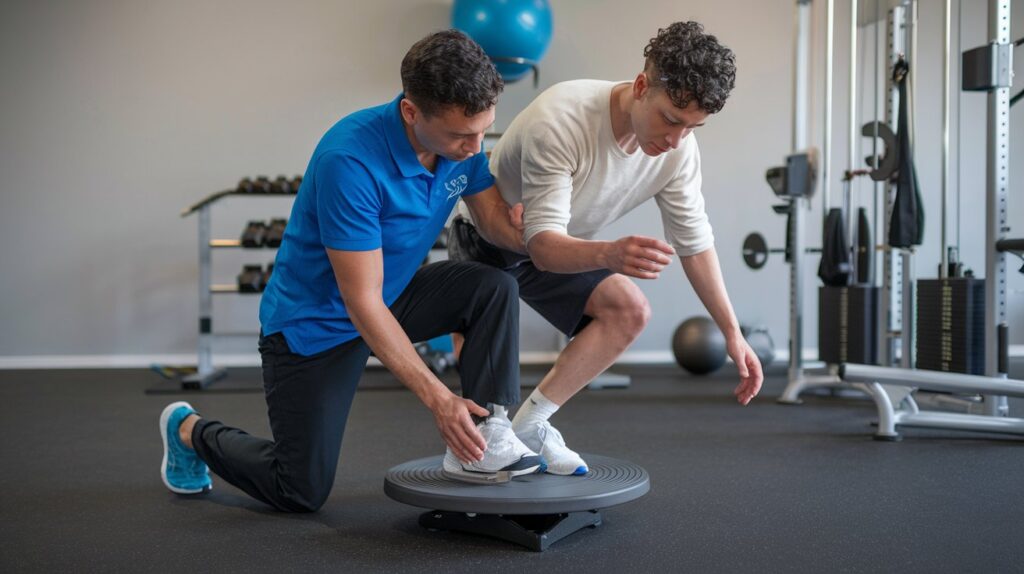
Physical therapy serves as the cornerstone of cerebral palsy rehabilitation, focusing on improving gross motor skills, strength, flexibility, and functional mobility. Modern physiotherapy approaches utilize evidence-based techniques including neurodevelopmental treatment (NDT), constraint-induced movement therapy (CIMT), and functional training methods tailored to each individual’s specific needs and capabilities.
Contemporary cerebral palsy physiotherapy guidelines emphasize task-specific training and motor learning principles. Therapists now incorporate advanced technologies such as robotic-assisted training, virtual reality systems, and biofeedback devices to enhance treatment outcomes. These innovative approaches have shown promising results in improving motor function and increasing patient engagement in rehabilitation programs.
Evidence-Based Exercise Programs
The 17 exercises for cerebral palsy commonly prescribed include range of motion activities, strengthening exercises, balance training, and functional movement patterns. These exercises are systematically progressed based on the individual’s abilities and goals, with particular attention to preventing secondary complications such as contractures and bone deformities.
Advanced Therapeutic Modalities
Modern physical therapy incorporates cutting-edge technologies including functional electrical stimulation (FES), aquatic therapy, and gait training systems. These modalities provide additional sensory input and facilitate motor learning, particularly beneficial for individuals with moderate to severe motor impairments.
Occupational Therapy and Daily Living Skills
Occupational therapy plays a vital role in cerebral palsy rehabilitation by addressing fine motor skills, cognitive function, and activities of daily living. Therapists work with patients to develop adaptive strategies for eating, dressing, bathing, and other essential self-care tasks. This intervention is particularly important for promoting independence and improving quality of life across all age groups.
The focus of occupational therapy varies significantly between pediatric and adult populations. For children, therapy emphasizes play-based interventions that promote motor development, sensory integration, and school readiness skills. Adult programs typically concentrate on workplace accommodations, home modifications, and maintaining functional independence as individuals age with cerebral palsy.
Speech and Language Therapy Services
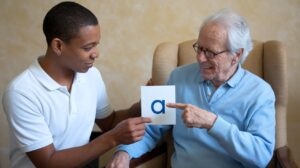
Communication challenges affect approximately 25-30% of individuals with cerebral palsy, making speech and language therapy an essential component of comprehensive rehabilitation. These services address articulation difficulties, language development, swallowing disorders, and the implementation of augmentative and alternative communication (AAC) systems when necessary.
Modern speech therapy approaches utilize technology-enhanced interventions including speech-generating devices, communication apps, and computer-based training programs. These tools help individuals with cerebral palsy overcome communication barriers and participate more fully in social, educational, and vocational activities throughout their lives.
How to Handle a Patient with Cerebral Palsy
Learning how to handle a patient with cerebral palsy requires understanding proper positioning, transfer techniques, and safety considerations. Healthcare providers and caregivers must be trained in appropriate handling methods to prevent injury while promoting comfort and dignity. This includes understanding how to support weak or spastic muscles, facilitate movement, and use assistive devices effectively.
Proper patient handling involves recognizing individual needs, respecting personal preferences, and maintaining clear communication throughout all interactions. The approach should be gentle yet confident, allowing adequate time for responses and movements. Family members and caregivers benefit from formal training in these techniques to ensure consistent, safe care across all environments.
Safe Transfer and Positioning Techniques
Safe transfer techniques are essential for preventing injury to both the patient and caregiver. These methods include proper body mechanics, use of assistive devices, and understanding of individual patient capabilities. Training in these techniques significantly reduces the risk of falls and musculoskeletal injuries.
Communication Strategies for Care Providers
Effective communication strategies involve speaking clearly, allowing adequate response time, and using multiple communication modalities when necessary. Understanding each individual’s unique communication style and preferences enhances the therapeutic relationship and improves treatment outcomes.
Assistive Technology and Equipment
Assistive technology plays an increasingly important role in cerebral palsy rehabilitation, providing tools that enhance independence and participation in daily activities. These devices range from simple adaptive equipment to sophisticated computer-controlled systems that can be customized to meet individual needs and preferences.
The selection of appropriate assistive devices requires careful assessment of the individual’s abilities, goals, and environmental factors. Modern technology offers solutions for mobility, communication, education, and employment, significantly improving quality of life for individuals with cerebral palsy across all severity levels.
Newest Treatment for Cerebral Palsy in 2025
The newest treatment for cerebral palsy includes innovative approaches such as stem cell therapy, robotic-assisted rehabilitation, and precision medicine techniques. These cutting-edge treatments show promising results in clinical trials and are gradually being integrated into standard care protocols across major medical centers in the United States.
Emerging treatment options also include advanced neuroplasticity-based interventions, virtual reality therapy systems, and personalized medication protocols. These developments represent significant advances in cerebral palsy care, offering new hope for improved outcomes and enhanced quality of life for patients and families.
Regenerative Medicine Approaches
Regenerative medicine techniques including stem cell therapy and growth factor treatments are showing promising results in early clinical trials. These approaches aim to repair damaged neural tissue and promote neuroplasticity, potentially offering new therapeutic options for individuals with cerebral palsy.
Technology-Enhanced Rehabilitation
Technology-enhanced rehabilitation utilizes robotic devices, virtual reality systems, and artificial intelligence to provide intensive, personalized therapy interventions. These innovative approaches can deliver precise, repetitive training that may accelerate motor learning and functional improvement.
Adult Cerebral Palsy Rehabilitation Considerations
Adults with cerebral palsy face unique challenges as they age, including increased risk of secondary conditions, joint deterioration, and changing functional needs. Adult rehabilitation programs must address these evolving requirements while maintaining existing abilities and preventing decline in function and mobility.
The approach to cerebral palsy physical therapy adults emphasizes maintenance of function, pain management, and adaptation to age-related changes. This population requires specialized care that considers the long-term effects of living with cerebral palsy and the impact of aging on mobility, strength, and overall health status.
Related video about cerebral palsy rehabilitation
This video complements the article information with a practical visual demonstration.
Most asked questions about cerebral palsy rehabilitation
What are the primary goals of rehabilitation for cerebral palsy?
The primary goals include maximizing functional independence, improving motor skills, enhancing communication abilities, promoting social integration, and preventing secondary complications. Rehabilitation focuses on developing adaptive strategies for daily living while considering each individual’s specific needs and long-term aspirations.
Which therapy is considered best for cerebral palsy treatment?
There is no single best therapy as treatment must be individualized. The most effective approach typically combines physical therapy, occupational therapy, and speech therapy in a multidisciplinary program. Evidence-based techniques like neurodevelopmental treatment (NDT) and constraint-induced movement therapy (CIMT) show excellent results.
How should caregivers properly handle a patient with cerebral palsy?
Proper handling involves understanding safe transfer techniques, appropriate positioning, and clear communication. Caregivers should be trained in body mechanics, use of assistive devices, and individual patient capabilities. The approach should be gentle yet confident, allowing adequate time for responses and maintaining dignity.
What does severe cerebral palsy typically look like?
Severe cerebral palsy presents with significant motor impairments including profound muscle weakness, severe spasticity, or complete inability to control voluntary movements. Individuals may require extensive support for mobility, communication, and daily activities, often necessitating comprehensive assistive technology and specialized care.
What are the newest treatments for cerebral palsy in 2025?
The newest treatments include stem cell therapy, robotic-assisted rehabilitation, virtual reality therapy systems, and precision medicine approaches. These cutting-edge treatments show promising results in clinical trials and are gradually being integrated into standard care protocols across major medical centers.
How does adult cerebral palsy rehabilitation differ from pediatric care?
Adult rehabilitation focuses on maintaining existing function, managing age-related changes, and preventing decline in mobility and strength. Unlike pediatric care which emphasizes motor development and skill acquisition, adult programs address long-term effects of living with cerebral palsy and adaptation to changing needs.
| Therapy Type | Key Focus Areas | Primary Benefits |
|---|---|---|
| Physical Therapy | Gross motor skills, strength, mobility | Improved movement and independence |
| Occupational Therapy | Fine motor skills, daily living activities | Enhanced self-care abilities |
| Speech Therapy | Communication, swallowing function | Improved social participation |
| Assistive Technology | Mobility, communication, independence | Increased functional capacity |

Jude Deveraux, une auteure américaine renommée pour ses romans captivants de romance et de fiction historique, a créé un univers littéraire avec plus de 40 best-sellers du New York Times. Sa maîtrise de plusieurs langues enrichit sa connexion avec un public mondial, inspirant ainsi les lecteurs du monde entier avec des histoires intemporelles. En dehors de l’écriture, Jude Deveraux est passionnée par la peinture, la randonnée et la cuisine internationale.