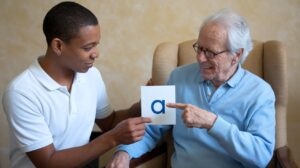
Cerebral palsy physiotherapy is a specialized treatment approach designed to improve motor function, mobility, and quality of life for individuals with cerebral palsy. This comprehensive therapy combines targeted exercises, manual techniques, and adaptive equipment to address the unique challenges of movement disorders caused by brain injury during early development.
Understanding Cerebral Palsy and Its Impact
Cerebral palsy affects approximately 764,000 children and adults in the United States, making it the most common motor disability in childhood. This neurological condition results from damage to the developing brain, typically occurring before, during, or shortly after birth. The cerebral palsy physiotherapy approach focuses on managing symptoms rather than curing the condition, as the brain damage is permanent but non-progressive.
The condition manifests in various forms, with spastic cerebral palsy being the most common type, affecting about 80% of individuals with the disorder. Other types include dyskinetic, ataxic, and mixed forms, each requiring specialized physiotherapy treatment approaches. Early intervention through structured therapy programs can significantly improve outcomes and prevent secondary complications.
Types of Cerebral Palsy Requiring Different Physiotherapy Approaches
Spastic cerebral palsy creates muscle stiffness and requires physiotherapy exercises focused on stretching, strengthening, and range of motion activities. Dyskinetic cerebral palsy involves involuntary movements, necessitating balance and coordination training. Ataxic cerebral palsy affects balance and coordination, requiring specialized physical therapy techniques for stability and fine motor control.
Early Signs and Symptoms Addressed by Physiotherapy
Early identification of cerebral palsy symptoms is crucial for effective physiotherapy treatment. Signs include delayed motor milestones, abnormal muscle tone, persistent primitive reflexes, and asymmetrical movement patterns. Professional physiotherapists conduct comprehensive assessments to identify these indicators and develop appropriate intervention strategies.
Comprehensive Physiotherapy Assessment for Cerebral Palsy
A thorough cerebral palsy physiotherapy assessment forms the foundation of effective treatment planning. This evaluation typically includes gross motor function classification, muscle tone assessment, range of motion testing, and functional mobility analysis. The assessment process involves standardized tools such as the Gross Motor Function Measure (GMFM) and the Pediatric Evaluation of Disability Inventory (PEDI).
Modern assessment protocols incorporate technology-assisted evaluation methods, including 3D gait analysis and electromyography to provide detailed insights into movement patterns. These advanced techniques help physiotherapists develop precise treatment plans tailored to individual needs and capabilities.
Standardized Assessment Tools and Protocols
Professional physiotherapy assessment utilizes validated instruments including the Manual Ability Classification System (MACS) and the Communication Function Classification System (CFCS). These tools provide objective measurements of functional abilities and help establish realistic treatment goals and track progress over time.
Technology-Enhanced Assessment Methods
Advanced assessment techniques incorporate motion capture systems, force plates, and computerized posture analysis to provide comprehensive data about movement patterns. These technologies enable physiotherapists to identify subtle movement abnormalities and develop targeted intervention strategies for optimal outcomes.
Evidence-Based Physiotherapy Treatment Approaches
Current cerebral palsy physiotherapy guidelines emphasize evidence-based treatment approaches that have demonstrated effectiveness in clinical trials. Neurodevelopmental treatment (NDT) remains a cornerstone approach, focusing on facilitating normal movement patterns and inhibiting abnormal reflexes. Task-specific training has gained prominence, emphasizing functional activities that translate directly to daily living skills.
Strength training programs have evolved significantly, with research showing that progressive resistance exercises can improve muscle strength without increasing spasticity. Modern physiotherapy treatment protocols incorporate constraint-induced movement therapy (CIMT) for individuals with hemiplegia, showing remarkable results in improving affected limb function.
Essential Physiotherapy Exercises for Cerebral Palsy
Structured exercise programs form the core of cerebral palsy physiotherapy, with specific activities designed to address individual impairments and functional limitations. Range of motion exercises prevent contractures and maintain joint flexibility, while strengthening exercises target weak muscle groups to improve overall function. Balance and coordination activities enhance postural control and reduce fall risk.
The selection of cerebral palsy physiotherapy exercises depends on the individual’s functional level, age, and specific impairments. For ambulatory individuals, gait training exercises focus on improving walking patterns and endurance. Non-ambulatory individuals benefit from transfers training, wheelchair mobility skills, and positioning exercises to prevent secondary complications.
Mobility and Gait Training Exercises
Gait training represents a crucial component of physiotherapy treatment for ambulatory individuals with cerebral palsy. These exercises include pre-gait activities, supported walking practice, and advanced locomotion skills. Treadmill training with partial body weight support has shown significant benefits in improving walking speed and endurance.
Strength and Conditioning Programs
Progressive resistance training programs are now recognized as safe and effective for individuals with cerebral palsy. These strengthening exercises target specific muscle groups using body weight, resistance bands, and weighted equipment. Research indicates that proper strength training can improve functional performance without increasing spasticity.
Specialized Treatment Techniques and Interventions
Modern cerebral palsy physiotherapy incorporates various specialized techniques to address specific impairments. Aquatic therapy provides a supportive environment for movement practice, reducing the effects of gravity while providing resistance for strengthening. Electrical stimulation techniques, including functional electrical stimulation (FES) and neuromuscular electrical stimulation (NMES), help improve muscle activation and prevent disuse atrophy.
Manual therapy techniques, including soft tissue mobilization and joint manipulation, address musculoskeletal restrictions and improve mobility. Newer approaches such as virtual reality training and robotic-assisted therapy are showing promising results in enhancing motor learning and functional outcomes.
Aquatic Therapy and Hydrotherapy Benefits
Water-based physiotherapy exercises offer unique advantages for individuals with cerebral palsy, including reduced joint stress, improved circulation, and enhanced relaxation. The buoyancy of water supports body weight, allowing for movement practice that may be difficult on land. Temperature-controlled therapy pools provide optimal conditions for therapeutic exercise.
Technology-Assisted Rehabilitation Methods
Innovative technologies are revolutionizing cerebral palsy physiotherapy, with robotic devices providing consistent, repetitive movement training. Virtual reality systems create engaging environments for motor learning, while biofeedback devices help individuals develop better movement control and awareness.
Equipment and Adaptive Devices in Physiotherapy
Appropriate equipment selection is essential for successful physiotherapy treatment outcomes. Mobility aids such as walkers, crutches, and wheelchairs must be properly fitted and adjusted to promote optimal function. Positioning equipment, including standing frames and seating systems, helps maintain proper alignment and prevent deformities.
Therapeutic equipment used in cerebral palsy physiotherapy includes exercise balls, balance boards, parallel bars, and specialized training devices. Home exercise equipment enables continuation of therapy programs outside clinical settings, promoting consistency and long-term adherence to treatment protocols.
Family-Centered Care and Home Exercise Programs
Successful cerebral palsy physiotherapy requires active family involvement and consistent home programming. Parents and caregivers receive training in proper handling techniques, positioning strategies, and exercise implementation. Home exercise programs are designed to be practical and achievable within the family’s daily routine.
Education components include understanding the condition, recognizing signs of complications, and implementing preventive strategies. Family-centered care approaches recognize that families are the primary caregivers and decision-makers, requiring physiotherapists to work collaboratively with families to achieve optimal outcomes.
Caregiver Training and Education Programs
Comprehensive caregiver training ensures continuity of care between therapy sessions. Training programs cover safe handling techniques, positioning strategies, and implementation of home exercise programs. Regular follow-up sessions help address questions and modify programs as needed.
Creating Sustainable Home Exercise Routines
Effective home programs integrate physiotherapy exercises into daily activities and routines. Programs are designed to be flexible and adaptable to family schedules while maintaining therapeutic benefits. Regular communication between families and therapists ensures program effectiveness and appropriate modifications.
Measuring Progress and Treatment Outcomes
Objective measurement of treatment outcomes is essential for demonstrating the effectiveness of cerebral palsy physiotherapy interventions. Standardized assessment tools are used periodically to track progress in motor function, mobility, and quality of life measures. Goal attainment scaling provides a method for measuring progress toward individualized treatment goals.
Long-term outcome studies demonstrate that consistent physiotherapy treatment can significantly improve functional independence and quality of life. Regular reassessment allows for treatment plan modifications and ensures that interventions remain appropriate as individuals grow and develop.
Related video about cerebral palsy physiotherapy
This video complements the article information with a practical visual demonstration.
Questions & Answers
What does a physiotherapist do for cerebral palsy?
A physiotherapist conducts comprehensive assessments, develops individualized treatment plans, and implements evidence-based interventions to improve motor function, mobility, and quality of life. They provide specialized exercises, manual therapy techniques, and assistive device training while educating families on home care strategies.
What is the best physical therapy for cerebral palsy?
The best physical therapy approach combines neurodevelopmental treatment, task-specific training, and strength conditioning programs tailored to individual needs. Evidence-based treatments include constraint-induced movement therapy, aquatic therapy, and technology-assisted rehabilitation methods for optimal outcomes.
What is the best exercise for cerebral palsy?
The best exercises depend on individual abilities and goals but typically include range of motion activities, strengthening exercises, balance training, and functional movement practice. Gait training for ambulatory individuals and transfer training for non-ambulatory individuals are particularly beneficial.
Which therapy is best for cerebral palsy?
A multidisciplinary approach combining physiotherapy, occupational therapy, and speech therapy provides the most comprehensive treatment. Physiotherapy focuses on motor function and mobility, while integrated care addresses all aspects of development and daily living skills.
How often should cerebral palsy physiotherapy sessions occur?
Treatment frequency varies based on individual needs, age, and functional level. Typical recommendations range from 2-5 sessions per week for intensive programs to 1-2 sessions weekly for maintenance programs. Early intervention often requires more frequent sessions for optimal outcomes.
What are the long-term benefits of cerebral palsy physiotherapy?
Long-term benefits include improved motor function, enhanced mobility, reduced risk of secondary complications, better quality of life, and increased independence. Consistent therapy can prevent contractures, maintain bone health, and optimize functional abilities throughout the lifespan.
| Treatment Component | Key Features | Primary Benefits |
|---|---|---|
| Assessment | Comprehensive evaluation using standardized tools | Individualized treatment planning |
| Exercise Programs | Targeted strengthening, stretching, and mobility training | Improved motor function and independence |
| Specialized Techniques | Aquatic therapy, technology-assisted rehabilitation | Enhanced motor learning and engagement |
| Family Training | Caregiver education and home program implementation | Continuity of care and family empowerment |
| Outcome Measurement | Regular progress monitoring and plan adjustments | Optimized treatment effectiveness |

Jude Deveraux, une auteure américaine renommée pour ses romans captivants de romance et de fiction historique, a créé un univers littéraire avec plus de 40 best-sellers du New York Times. Sa maîtrise de plusieurs langues enrichit sa connexion avec un public mondial, inspirant ainsi les lecteurs du monde entier avec des histoires intemporelles. En dehors de l’écriture, Jude Deveraux est passionnée par la peinture, la randonnée et la cuisine internationale.