
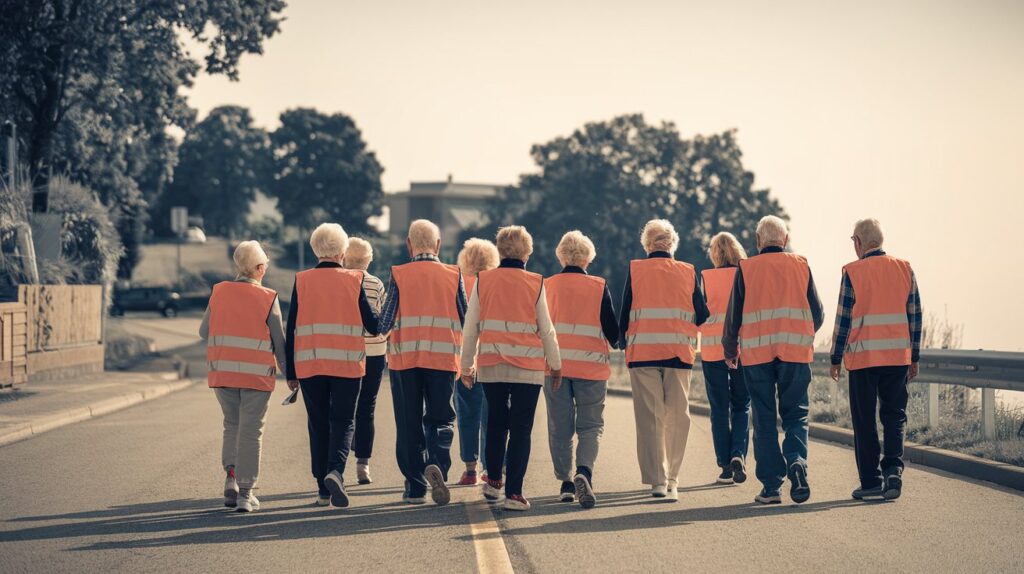
The journey to walk after a stroke varies significantly among patients, with recovery timelines ranging from weeks to years depending on multiple factors. Most stroke survivors begin regaining movement within the first few weeks, though complete walking recovery may take 3-6 months or longer. Understanding the factors that influence your recovery and implementing proper rehabilitation strategies can significantly improve your chances of walking normally again.
How Long Does It Usually Take to Walk After a Stroke
The timeline for walking after a stroke depends on the severity and location of brain damage. According to 2024 rehabilitation data from the American Stroke Association, approximately 65% of stroke patients regain some walking ability within 3 months of their stroke. However, the quality and speed of walking recovery varies dramatically among individuals.
Most stroke survivors experience their most significant improvements during the first 3-6 months post-stroke, known as the acute recovery period. During this time, the brain demonstrates remarkable plasticity, allowing undamaged areas to compensate for injured regions. Stroke patients who begin walking rehabilitation within 24-48 hours of their stroke typically show better outcomes than those who start later.
Early Recovery Phase (First 3 Months)
The initial three months represent the most critical period for regaining movement after stroke. During this phase, approximately 40% of stroke survivors with severe walking impairments can expect to achieve basic mobility skills. Physical therapy typically begins within 24-48 hours of stroke onset, focusing on bed mobility, sitting balance, and eventually standing exercises.
Extended Recovery Phase (3-12 Months)
Beyond the initial three months, walking recovery continues but at a slower pace. Research from 2024 shows that stroke patients can continue improving their walking abilities for up to two years post-stroke. This extended phase focuses on refining balance, coordination, and endurance rather than basic mobility skills.
What Factors Impact How Soon You May Walk Following a Stroke
Several critical factors determine your chances of walking after a stroke and the timeline for recovery. The location and severity of the stroke play the most significant role in determining walking outcomes. Strokes affecting the motor cortex or brainstem typically result in more severe walking impairments compared to those affecting other brain regions.
Age is another crucial factor, with younger stroke patients generally showing better recovery outcomes. Studies indicate that patients under 65 years old have a 75% chance of regaining independent walking ability, while those over 75 have approximately a 50% chance. Pre-stroke fitness level, overall health status, and the presence of other medical conditions also significantly influence recovery potential.
Stroke Type and Location
Ischemic strokes, which account for 87% of all strokes in the United States, often have better walking recovery outcomes compared to hemorrhagic strokes. The specific brain region affected determines which walking abilities may be impaired. Strokes affecting the cerebellum typically impact balance and coordination, while those affecting the motor cortex primarily affect muscle strength and control.
Medical and Personal Factors
Underlying health conditions such as diabetes, heart disease, and previous strokes can significantly impact recovery timelines. Stroke survivors with multiple comorbidities often require longer rehabilitation periods and may face additional challenges in achieving independent walking. Mental health factors, including depression and anxiety, can also influence motivation and participation in rehabilitation programs.
What Can You Do at Home to Improve Your Walking Following a Stroke
Home-based rehabilitation exercises play a crucial role in walking recovery after stroke. Simple daily activities can significantly enhance your progress when performed consistently and safely. Balance exercises, such as standing on one foot or heel-to-toe walking, help improve stability and confidence in movement.
Strengthening exercises targeting the affected leg muscles are essential for rebuilding the power needed for normal walking. Seated leg extensions, calf raises, and resistance band exercises can be performed safely at home with proper instruction. Additionally, practicing functional movements like standing from a chair and climbing stairs helps integrate walking skills into daily activities.
Daily Exercise Routines
Establishing a consistent daily routine is vital for stroke recovery. Physical therapists recommend performing exercises 2-3 times daily, focusing on different aspects of walking such as balance, strength, and coordination. Simple activities like marching in place, weight shifting, and practicing proper posture contribute to overall improvement in walking ability.
Safety Modifications and Equipment
Creating a safe home environment is essential for walking practice after stroke. Installing grab bars, removing tripping hazards, and ensuring adequate lighting can prevent falls and build confidence. Assistive devices such as walkers, canes, or ankle-foot orthoses may be necessary initially but can often be reduced as recovery progresses.
Professional Rehabilitation and Therapy Options
Professional rehabilitation services provide the foundation for successful walking recovery after stroke. Physical therapists use evidence-based techniques including gait training, balance exercises, and functional electrical stimulation to promote recovery. Modern rehabilitation centers in the United States now incorporate advanced technologies such as robotic-assisted gait training and virtual reality systems.
Occupational therapy complements physical therapy by addressing daily living skills and adaptive strategies. Speech therapy may also be necessary if the stroke affected communication abilities. The typical rehabilitation program involves 3-5 sessions per week for 8-12 weeks, though some stroke patients may require longer-term intervention.
What’s the Outlook for People Who Have Difficulty Walking After a Stroke
The long-term outlook for walking after stroke has improved significantly with advances in rehabilitation techniques and early intervention strategies. Current data from 2024 shows that approximately 85% of stroke survivors regain some level of walking independence within one year of their stroke, though the degree of independence varies considerably.
Factors that predict better walking outcomes include younger age, milder initial impairment, early initiation of rehabilitation, and strong family support. Stroke survivors who achieve independent walking within the first three months typically maintain or continue improving their walking abilities over time. However, those who remain dependent on assistive devices after six months may face ongoing mobility challenges.
Long-term Independence Rates
Research indicates that 60-70% of stroke patients achieve community-level walking independence, meaning they can walk safely in various environments including outdoors and in public spaces. This level of independence typically requires walking speeds of at least 0.8 meters per second and the ability to navigate obstacles and uneven surfaces.
Ongoing Support and Maintenance
Long-term success in walking recovery requires ongoing maintenance through regular exercise and periodic reassessment. Many stroke survivors benefit from continued physical therapy or participation in community exercise programs designed specifically for stroke survivors. Annual evaluations help identify any decline in function and adjust interventions accordingly.
Signs of Recovery Progress and When to Seek Help
Recognizing good signs after a stroke helps track progress and maintain motivation during recovery. Early positive indicators include the return of sensation in the affected leg, voluntary muscle contractions, and improved balance when sitting or standing. These signs typically appear within the first few weeks to months after stroke.
Progressive improvements in walking distance, speed, and stability indicate successful recovery. Stroke survivors should monitor their ability to climb stairs, walk on different surfaces, and maintain balance during daily activities. However, sudden changes in walking ability or the development of new symptoms warrant immediate medical attention.
Overcoming Common Challenges and Fears
The fear of walking after stroke is a common psychological barrier that can significantly impact recovery progress. Many stroke survivors develop anxiety about falling or experiencing another stroke while walking. Professional counseling and gradual exposure to walking activities can help overcome these fears and build confidence.
Physical challenges such as muscle weakness, balance problems, and coordination difficulties require targeted interventions. Modern rehabilitation approaches address these issues through task-specific training, where patients practice real-world walking scenarios in controlled environments. Support groups and peer mentorship programs also provide valuable encouragement and practical advice from other stroke survivors.
Related video about how long does it take to walk after a stroke
This video complements the article information with a practical visual demonstration.
Most asked questions about how long does it take to walk after a stroke
How likely am I to walk again following a stroke?
Approximately 85% of stroke survivors regain some walking ability within one year. Your likelihood depends on factors including stroke severity, age, overall health, and participation in rehabilitation. Those who begin walking therapy within 24-48 hours of stroke typically have better outcomes, with 65% achieving walking independence within three months.
Can a stroke patient walk normally again?
Yes, many stroke patients can walk normally again, especially those with mild to moderate strokes. About 60-70% of stroke survivors achieve community-level walking independence. However, complete normal walking depends on the stroke’s location and severity, with some patients requiring ongoing use of assistive devices or experiencing minor gait abnormalities.
How long to walk properly after a stroke?
Walking properly after a stroke typically takes 3-6 months for most patients, though improvement can continue for up to two years. The first three months show the most dramatic improvements, with 40% of severely impaired patients achieving basic mobility skills during this period. Continued therapy and practice are essential for optimal recovery.
What are good signs after a stroke for walking recovery?
Good signs include return of sensation in the affected leg, voluntary muscle movement, improved sitting balance, and the ability to bear weight on the affected side. Progressive improvements in walking distance, speed, and stability indicate successful recovery. Early movement within the first few weeks typically predicts better long-term walking outcomes.
When should I be concerned about my walking recovery?
Contact your healthcare provider if you experience sudden worsening of walking ability, new weakness or numbness, severe pain, or signs of another stroke. Also seek help if you’re not seeing any improvement after 4-6 weeks of consistent rehabilitation, or if you develop persistent balance problems or frequent falls.
What equipment helps with walking after a stroke?
Common assistive devices include walkers, canes, ankle-foot orthoses, and specialized shoes with good grip and support. Advanced options include functional electrical stimulation devices and robotic-assisted walking systems. The best equipment depends on your specific needs and recovery stage, as determined by your physical therapist.
| Recovery Phase | Timeline | Expected Outcomes |
|---|---|---|
| Acute Phase | 0-3 months | 65% regain walking ability, most significant improvements |
| Extended Phase | 3-12 months | Continued improvement in speed, endurance, and stability |
| Long-term Phase | 1-2 years | 85% achieve some walking independence, 60-70% community-level walking |

Jude Deveraux, une auteure américaine renommée pour ses romans captivants de romance et de fiction historique, a créé un univers littéraire avec plus de 40 best-sellers du New York Times. Sa maîtrise de plusieurs langues enrichit sa connexion avec un public mondial, inspirant ainsi les lecteurs du monde entier avec des histoires intemporelles. En dehors de l’écriture, Jude Deveraux est passionnée par la peinture, la randonnée et la cuisine internationale.



