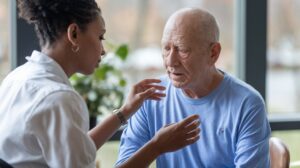
After experiencing a stroke, many patients face significant communication challenges that require specialized speech therapy for stroke victims. Speech-language pathologists work with stroke survivors to restore vital communication skills through targeted exercises and evidence-based techniques. This comprehensive guide explores how speech therapy helps stroke patients regain their ability to speak, understand, and communicate effectively, providing essential information for patients and families navigating the recovery process.
Understanding How Stroke Affects Speech and Communication
A stroke occurs when blood flow to the brain is interrupted, causing brain cells to die and potentially affecting various functions including speech and language. Speech therapy for stroke patients becomes crucial because the brain areas responsible for communication are often damaged during a stroke event. The left hemisphere of the brain typically controls language functions, and when this area is affected, patients may experience difficulty speaking, understanding words, reading, or writing.
The severity of communication problems depends on the location and extent of brain damage. Some stroke patients may have mild word-finding difficulties, while others may lose the ability to speak entirely. Understanding these impacts helps families prepare for the recovery journey and sets realistic expectations for speech therapy outcomes. Early intervention within the first few months after stroke typically yields the best results for communication recovery.
Types of Speech Disorders After Stroke
Aphasia is the most common speech disorder following stroke, affecting approximately 25-40% of stroke survivors according to 2024 statistics. This condition impairs the ability to understand or express language, with different types including Broca’s aphasia (difficulty speaking but good comprehension) and Wernicke’s aphasia (fluent but meaningless speech). Speech therapists assess each patient’s specific type of aphasia to develop targeted treatment plans that address individual communication needs.
Dysarthria and Motor Speech Challenges
Dysarthria affects the muscles used for speech, making words sound slurred or difficult to understand. This motor speech disorder occurs when stroke damages the parts of the brain that control the muscles of the mouth, face, and respiratory system. Speech therapy exercises for stroke patients focus on strengthening these muscles and improving coordination to enhance speech clarity and intelligibility for better communication outcomes.
What Does a Speech Therapist Do for Stroke Patients
Speech-language pathologists conduct comprehensive evaluations to assess each stroke patient’s communication abilities and challenges. They examine speaking, listening, reading, and writing skills to develop personalized treatment plans. The evaluation process includes standardized tests, informal assessments, and conversations to understand the full scope of communication difficulties. Speech therapists also assess swallowing function, as many stroke patients experience dysphagia alongside communication problems.
Treatment sessions typically occur 2-3 times per week and may last 30-60 minutes depending on the patient’s needs and endurance. Therapists use various techniques including repetitive practice, computer-assisted therapy, and functional communication activities. They also provide education and training to family members, helping them understand how to support the patient’s communication efforts at home. The therapist continuously monitors progress and adjusts treatment approaches based on the patient’s response and recovery trajectory.
Essential Speech Therapy Exercises for Stroke Recovery
Effective speech therapy exercises for stroke patients target specific areas of communication difficulty through structured practice and repetition. These exercises help rebuild neural pathways damaged by stroke and improve overall communication function. Modern therapy approaches combine traditional exercises with technology-assisted interventions to maximize recovery potential. Consistent practice both in therapy sessions and at home significantly improves outcomes for stroke survivors.
The best exercises are those tailored to each patient’s specific needs and abilities. Therapists select activities based on the type and severity of communication disorder, ensuring that exercises are challenging yet achievable. Progressive difficulty levels help patients build confidence while continuously improving their communication skills. Regular assessment ensures exercises remain appropriate as patients progress through their recovery journey.
Tongue and Lip Strengthening Exercises
Strengthening the tongue and lips is fundamental for clear speech production. These exercises include tongue protrusion, lateral tongue movements, and lip pursing activities that improve muscle control and coordination. Patients practice moving their tongue in various directions, holding positions for specific durations, and performing rapid alternating movements. These motor exercises form the foundation for more complex speech patterns and help restore the precision needed for articulate communication.
Word Repetition and Naming Activities
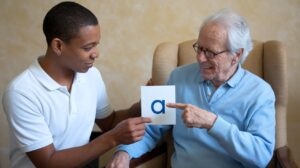
Repetitive naming exercises help stroke patients rebuild vocabulary and word retrieval skills. Therapists use picture cards, objects, and verbal prompts to encourage naming responses. These activities start with simple, high-frequency words and gradually progress to more complex vocabulary. Speech therapy exercises may include category naming, word association tasks, and sentence completion activities that challenge patients to access their language skills systematically.
Speech Therapy for Stroke Patients at Home
Home-based speech therapy provides convenient access to treatment while maintaining consistency in the patient’s recovery routine. Speech therapy for stroke patients at home includes both formal teletherapy sessions with licensed professionals and independent practice using prescribed exercises. This approach allows patients to work on communication skills in their comfortable environment while receiving professional guidance and support. Family members can actively participate in therapy sessions, learning techniques to support ongoing recovery efforts.
Technology has revolutionized home-based speech therapy, with specialized apps and online platforms providing interactive exercises and progress tracking. These tools complement traditional therapy methods and allow patients to practice between formal sessions. Home speech therapy programs typically include daily exercises, progress monitoring, and regular check-ins with speech-language pathologists to ensure optimal outcomes and address any concerns promptly.
Creating an Effective Home Practice Environment
Establishing a dedicated space for speech practice helps patients maintain focus and consistency in their recovery efforts. The environment should be quiet, well-lit, and equipped with necessary materials such as mirrors for visual feedback and exercise worksheets. Stroke patients benefit from having a structured routine that includes specific times for speech practice, making therapy exercises a regular part of their daily schedule.
Family Involvement in Home Therapy
Family members play a crucial role in supporting home-based speech therapy by providing encouragement, practicing communication exercises with patients, and helping maintain therapy schedules. Training family members to understand communication strategies and provide appropriate support significantly enhances recovery outcomes. Speech therapy success often depends on the consistent practice and positive reinforcement that family members can provide throughout the recovery process.
Recovery Timeline and Expectations
Understanding realistic timelines for speech recovery helps patients and families set appropriate expectations and maintain motivation throughout the therapy process. Stroke speech recovery time varies significantly based on factors including the severity of the stroke, location of brain damage, patient age, and overall health status. Most patients see initial improvements within the first 3-6 months after stroke, with continued progress possible for years with consistent therapy and practice.
Research shows that intensive speech therapy in the first six months post-stroke yields the most significant improvements. However, the brain’s neuroplasticity allows for continued recovery even years after the initial stroke event. Speech therapists work with patients to establish both short-term and long-term goals, celebrating incremental progress while working toward broader communication objectives. Recovery is rarely linear, with patients experiencing plateaus and breakthroughs throughout their journey.
Free Online Speech Therapy Resources
Free online speech therapy for stroke patients provides accessible resources for individuals who may face financial or geographic barriers to traditional therapy services. These platforms offer interactive exercises, educational materials, and progress tracking tools that complement professional treatment. Many reputable organizations provide high-quality online resources specifically designed for stroke survivors, including video tutorials, printable worksheets, and communication apps that support recovery efforts.
While free online resources are valuable supplements to professional therapy, they should not replace comprehensive evaluation and treatment by licensed speech-language pathologists. These resources work best when used in conjunction with professional guidance, allowing patients to extend their practice time and reinforce skills learned in formal therapy sessions. Many online platforms also offer community support features where stroke survivors can connect with others facing similar challenges.
Recommended Online Platforms and Apps
Several evidence-based online platforms provide structured speech therapy exercises for stroke survivors. These applications offer personalized exercise programs, progress tracking, and adaptive difficulty levels that adjust to each patient’s abilities. Stroke speech therapy exercises available online include articulation practice, language comprehension activities, and cognitive-communication tasks that support comprehensive recovery efforts.
Utilizing Video Resources and Tutorials
Video-based learning provides visual demonstrations of proper exercise techniques and communication strategies. Many speech-language pathologists create educational videos that show patients how to perform exercises correctly and safely. These resources help patients maintain proper technique during independent practice and provide family members with guidance on supporting communication efforts at home.
Finding Speech Therapy Services Near You
Locating qualified speech therapy for stroke patients near me requires research into local healthcare providers, rehabilitation centers, and private practice clinics. Hospital-based rehabilitation programs often provide comprehensive stroke recovery services, including speech therapy, physical therapy, and occupational therapy. Many patients begin their recovery journey in acute care settings before transitioning to outpatient services for continued treatment and support.
When selecting a speech therapy provider, consider factors such as the therapist’s experience with stroke patients, available treatment approaches, and scheduling flexibility. Insurance coverage and payment options should also be evaluated to ensure sustainable access to necessary services. Speech therapists with specialized training in neurological disorders and stroke recovery typically provide the most effective treatment for communication challenges following stroke.
Related video about speech therapy for stroke victims
This video complements the article information with a practical visual demonstration.
Your questions answered
What does a speech therapist do for a stroke patient?
A speech therapist evaluates communication abilities, develops personalized treatment plans, and provides targeted exercises to help stroke patients regain speaking, understanding, reading, and writing skills. They also assess swallowing function and provide family education to support recovery efforts throughout the rehabilitation process.
What is the best way to improve speech after a stroke?
The best approach combines professional speech therapy with consistent home practice, early intervention within the first months after stroke, and family support. Intensive therapy sessions, technology-assisted exercises, and repetitive practice of targeted communication skills provide the most effective pathway to speech recovery.
How long does it take to regain speech after a stroke?
Speech recovery varies significantly among stroke patients, with most seeing initial improvements within 3-6 months. Continued progress is possible for years with consistent therapy. Factors affecting recovery time include stroke severity, brain damage location, patient age, and therapy intensity.
Can stroke patients recover speech completely?
Complete speech recovery is possible for some stroke patients, particularly those with mild communication impairments who receive early, intensive therapy. However, many patients achieve significant functional improvement even if complete recovery isn’t attained, allowing for effective communication and improved quality of life.
What are the most effective speech therapy exercises for stroke patients?
Effective exercises include tongue and lip strengthening activities, word repetition tasks, naming exercises, and reading comprehension activities. Computer-assisted therapy, mirror practice for visual feedback, and functional communication activities tailored to each patient’s specific needs provide optimal results.
Is speech therapy covered by insurance for stroke patients?
Most insurance plans, including Medicare, cover speech therapy for stroke patients when deemed medically necessary. Coverage typically includes evaluation, treatment sessions, and some home health services. Patients should verify specific coverage details with their insurance provider and healthcare team.
| Therapy Approach | Key Features | Recovery Benefits |
|---|---|---|
| Professional Therapy | Licensed therapist guidance, comprehensive evaluation, personalized treatment plans | Systematic progress, expert monitoring, evidence-based techniques |
| Home Practice | Daily exercises, family involvement, convenient scheduling | Consistent practice, comfort environment, cost-effective |
| Technology Integration | Apps, online platforms, interactive exercises | Engaging practice, progress tracking, accessible resources |
| Group Therapy | Social interaction, peer support, communication practice | Motivation, real-world practice, emotional support |

Jude Deveraux, une auteure américaine renommée pour ses romans captivants de romance et de fiction historique, a créé un univers littéraire avec plus de 40 best-sellers du New York Times. Sa maîtrise de plusieurs langues enrichit sa connexion avec un public mondial, inspirant ainsi les lecteurs du monde entier avec des histoires intemporelles. En dehors de l’écriture, Jude Deveraux est passionnée par la peinture, la randonnée et la cuisine internationale.