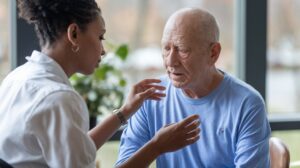
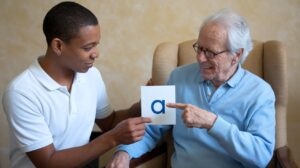
Occupational therapy for stroke patients plays a crucial role in rehabilitation, helping individuals regain independence and improve quality of life. With approximately 795,000 Americans experiencing strokes annually, occupational therapy has become essential for addressing daily living challenges, motor function deficits, and cognitive impairments that commonly follow stroke events.
What Does an Occupational Therapist Do for Stroke Patients
Occupational therapists specialize in helping stroke survivors relearn essential daily activities and adapt to new physical or cognitive limitations. They assess patients’ abilities to perform activities of daily living, including bathing, dressing, cooking, and workplace tasks. The occupational therapy process begins with comprehensive evaluation of motor skills, cognitive function, visual perception, and emotional well-being.
The primary focus involves developing personalized treatment plans that address specific deficits while maximizing remaining abilities. Stroke patients benefit from OT interventions that target fine motor skills, coordination, balance, and problem-solving abilities. Therapists also provide adaptive equipment recommendations and home modifications to ensure safety and independence in daily activities.
Assessment and Evaluation Process
The initial assessment phase involves standardized testing tools to measure functional capacity, cognitive abilities, and safety awareness. Occupational therapists use validated instruments like the Canadian Occupational Performance Measure and Functional Independence Measure to establish baseline measurements and track progress throughout rehabilitation.
Treatment Planning and Goal Setting
Treatment planning focuses on establishing measurable, achievable goals that align with patient priorities and functional needs. Occupational therapy goals typically include improving upper extremity function, enhancing cognitive processing, and developing compensatory strategies for daily tasks. Goals are reviewed and adjusted regularly based on patient progress and changing needs.
Occupational Therapy Tools and Equipment for Stroke Recovery
Modern occupational therapy utilizes diverse tools and equipment to facilitate stroke recovery and improve functional outcomes. Adaptive devices range from simple utensils with built-up handles to sophisticated technology-based interventions. These tools help patients overcome physical limitations while building confidence in daily activities.
Common equipment includes weighted utensils for tremor control, button hooks for dressing independence, and jar openers for kitchen tasks. Advanced technology incorporates virtual reality systems, robotic-assisted devices, and computer-based cognitive training programs. Occupational therapists carefully select appropriate tools based on individual patient needs, deficits, and recovery goals.
Adaptive Equipment for Daily Living
Adaptive equipment encompasses specialized items designed to compensate for stroke-related impairments and promote independence. Common examples include long-handled shoehorns, sock aids, shower chairs, and ergonomic kitchen tools. Stroke patients often benefit from these modifications during the early recovery phases while working toward regaining natural movement patterns.
Technology-Based Interventions
Modern occupational therapy incorporates cutting-edge technology to enhance treatment effectiveness and patient engagement. Virtual reality systems provide immersive environments for practicing real-world activities, while robotic devices assist with repetitive movement training. These technological tools offer precise feedback and data tracking capabilities that optimize rehabilitation outcomes.
Occupational Therapy Exercises for Stroke Recovery
Occupational therapy exercises focus on functional movement patterns that directly relate to daily activities rather than isolated muscle strengthening. These targeted interventions address specific deficits while promoting neuroplasticity and motor learning. Exercise programs typically progress from simple, supported movements to complex, multi-step tasks that challenge coordination and problem-solving abilities.
Upper extremity exercises form the cornerstone of most stroke rehabilitation programs, targeting shoulder mobility, elbow control, and hand function. Stroke patients engage in activities like reaching for objects, manipulating small items, and practicing bilateral coordination tasks. Cognitive exercises complement physical training by addressing attention, memory, and executive function deficits that impact daily performance.
Fine Motor Skill Development
Fine motor exercises target precise hand and finger movements essential for writing, buttoning clothes, and handling small objects. Occupational therapists design progressive activities that challenge dexterity while maintaining patient motivation. Common exercises include pegboard activities, coin manipulation, and writing practice with adaptive grips.
Gross Motor and Balance Training
Gross motor exercises address larger movement patterns involving trunk stability, weight shifting, and coordinated arm movements. Stroke patients practice activities like reaching across the body, lifting objects, and maintaining balance during functional tasks. These exercises prepare patients for more complex daily activities and reduce fall risk.
Stroke Recovery Timelines and Expectations
Stroke recovery timelines vary significantly based on factors including stroke severity, location, patient age, and overall health status. Most rapid improvement occurs during the first three to six months post-stroke, with continued gains possible for years with appropriate intervention. Occupational therapy plays a vital role throughout all recovery phases, from acute hospitalization through long-term community reintegration.
Early intervention typically begins within 24-48 hours of stroke onset, focusing on preventing complications and maintaining range of motion. Stroke patients progress through distinct recovery phases, each requiring modified treatment approaches and goal adjustments. Understanding realistic timelines helps patients and families maintain appropriate expectations while maximizing recovery potential.
Acute Phase Recovery (0-7 days)
The acute phase focuses on medical stabilization and preventing secondary complications. Occupational therapists provide bedside interventions including positioning, range of motion exercises, and basic cognitive assessments. Early mobilization and sensory stimulation help minimize the effects of immobility and begin the recovery process.
Subacute Phase Recovery (1-6 months)
The subacute phase represents the period of most rapid functional improvement for stroke patients. Intensive rehabilitation programs typically occur during this timeframe, with patients receiving multiple hours of occupational therapy daily. Goals focus on regaining independence in basic activities and developing compensatory strategies for persistent deficits.
How Occupational Therapy Helps Stroke Patients Walk Again
While physical therapy primarily addresses walking mechanics, occupational therapy contributes significantly to mobility recovery by addressing balance, coordination, and functional integration of walking skills. Occupational therapists help patients develop the cognitive and perceptual skills necessary for safe community ambulation. This includes spatial awareness, attention to surroundings, and problem-solving abilities required for navigating complex environments.
Stroke patients often struggle with dual-task activities that combine walking with other cognitive or motor demands. Occupational therapy interventions address these challenges through progressive training activities that simulate real-world scenarios. Therapists also assess and modify home environments to support safe mobility and reduce fall risk factors.
Occupational Therapy Goals for Stroke Patients
Effective occupational therapy goals for stroke patients are specific, measurable, achievable, relevant, and time-bound. These objectives address functional deficits while considering patient priorities and lifestyle factors. Common goal areas include improving upper extremity function, enhancing cognitive processing, developing compensatory strategies, and promoting community reintegration.
Short-term goals typically focus on basic activities of daily living such as feeding, grooming, and simple meal preparation. Long-term objectives address more complex tasks like driving, work activities, and leisure pursuits. Occupational therapists collaborate with patients and families to establish meaningful goals that reflect individual values and aspirations beyond basic functional recovery.
Functional Independence Goals
Functional independence goals target specific daily activities that promote self-sufficiency and quality of life. Stroke patients work toward achievements like independent dressing, meal preparation, and household management. These goals are broken down into component skills and practiced systematically until mastery is achieved.
Cognitive and Perceptual Goals
Cognitive goals address attention, memory, problem-solving, and executive function deficits that impact daily performance. Occupational therapy interventions target these areas through structured activities that challenge cognitive processing while building confidence. Goals might include improving attention span, enhancing memory strategies, or developing problem-solving skills for novel situations.
Occupational Therapy at Home for Stroke Patients
Home-based occupational therapy provides crucial support for stroke survivors transitioning from institutional care to community living. This service model addresses real-world challenges in familiar environments while promoting independence and safety. Home visits allow therapists to assess actual living conditions and provide targeted interventions based on specific environmental demands.
Stroke patients benefit from home-based services through personalized treatment approaches that consider individual lifestyle factors, family dynamics, and community resources. Therapists provide family education, environmental modifications, and ongoing support to ensure successful community reintegration. This approach has shown improved outcomes compared to clinic-based services alone for many patients.
Finding Occupational Therapy Services Near You
Locating quality occupational therapy services requires understanding available options and insurance coverage requirements. Most rehabilitation hospitals, outpatient clinics, and skilled nursing facilities offer specialized stroke programs with experienced occupational therapists. Many insurance plans, including Medicare, cover medically necessary occupational therapy services for stroke survivors.
When selecting providers, consider factors such as therapist experience with stroke patients, available equipment and technology, and program philosophy regarding patient-centered care. Occupational therapy services should be easily accessible, either through convenient locations or home-based options. Quality programs offer comprehensive assessments, evidence-based interventions, and regular progress monitoring to ensure optimal outcomes.
Related video about occupational therapy for stroke patients
This video complements the article information with a practical visual demonstration.
What you should know
What does an occupational therapist do for a stroke patient?
Occupational therapists help stroke patients relearn daily activities like bathing, dressing, cooking, and working. They assess functional abilities, develop personalized treatment plans, provide adaptive equipment, and teach compensatory strategies to maximize independence and quality of life.
What are the main tools used in occupational therapy for stroke patients?
Common tools include adaptive utensils, button hooks, jar openers, weighted items for tremor control, and technology-based interventions like virtual reality systems. Therapists select appropriate tools based on individual patient needs and specific functional deficits.
What exercises do occupational therapists use after a stroke?
Occupational therapy exercises focus on functional movements related to daily activities. These include fine motor skills practice, reaching activities, coordination exercises, and cognitive training. Exercises progress from simple supported movements to complex multi-step tasks.
How long does occupational therapy take for stroke recovery?
Recovery timelines vary based on stroke severity and individual factors. Most rapid improvement occurs in the first 3-6 months, but continued gains are possible for years. Therapy duration depends on functional goals, insurance coverage, and individual progress rates.
Can occupational therapy help stroke patients walk again?
While physical therapy primarily addresses walking mechanics, occupational therapy contributes by improving balance, coordination, and cognitive skills needed for safe walking. OT helps patients develop spatial awareness and problem-solving abilities for community mobility.
Is occupational therapy covered by insurance for stroke patients?
Most insurance plans, including Medicare, cover medically necessary occupational therapy services for stroke survivors. Coverage typically requires physician referral and demonstration of functional deficits that impact daily activities. Check with your specific insurance provider for coverage details.
| Treatment Area | Key Interventions | Expected Benefits |
|---|---|---|
| Daily Living Skills | Adaptive equipment, compensatory strategies | Increased independence, safety |
| Upper Extremity Function | Targeted exercises, functional activities | Improved arm and hand use |
| Cognitive Skills | Memory training, problem-solving practice | Enhanced thinking abilities |
| Home Environment | Safety modifications, equipment recommendations | Reduced fall risk, improved accessibility |

Jude Deveraux, une auteure américaine renommée pour ses romans captivants de romance et de fiction historique, a créé un univers littéraire avec plus de 40 best-sellers du New York Times. Sa maîtrise de plusieurs langues enrichit sa connexion avec un public mondial, inspirant ainsi les lecteurs du monde entier avec des histoires intemporelles. En dehors de l’écriture, Jude Deveraux est passionnée par la peinture, la randonnée et la cuisine internationale.