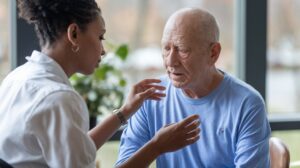
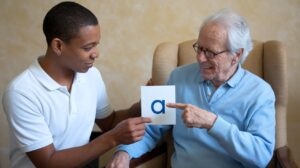
Approximately 795,000 Americans suffer a stroke each year, with up to 40% experiencing speech difficulties afterward. Speech therapy after stroke is a crucial component of recovery, helping patients regain communication abilities through targeted exercises and professional intervention. This comprehensive guide covers everything you need to know about stroke speech recovery, from initial assessment to long-term rehabilitation strategies.
Understanding Speech Problems After Stroke
When a stroke occurs, it disrupts blood flow to specific areas of the brain, often affecting regions responsible for language and speech production. The left hemisphere of the brain, which controls language in most people, is particularly vulnerable. Speech therapy after stroke addresses various communication challenges that can arise from this brain damage.
The severity and type of speech problems depend on the stroke’s location, size, and the patient’s overall health. Common issues include difficulty finding words, slurred speech, problems with grammar, and challenges understanding spoken language. Early intervention through professional speech therapy significantly improves outcomes, with many patients showing marked improvement within the first three to six months of treatment.
Types of Speech Disorders After Stroke
Aphasia affects approximately 25-40% of stroke survivors and involves difficulty with language comprehension or expression. Stroke patients may struggle to find the right words, understand conversations, or form complete sentences. This condition ranges from mild word-finding difficulties to severe communication impairments that require intensive rehabilitation.
Motor Speech Disorders
Dysarthria and apraxia of speech are motor-based disorders that affect the physical production of speech sounds. Dysarthria results from weakness or poor coordination of speech muscles, while apraxia involves difficulty planning and coordinating the movements necessary for speech. Both conditions benefit significantly from targeted speech therapy exercises and consistent practice.
How Effective Is Speech Therapy After Stroke
Research consistently demonstrates that speech therapy after stroke is highly effective when started early and continued consistently. Studies show that 70-80% of stroke survivors who receive speech therapy experience significant improvement in their communication abilities. The most substantial gains typically occur within the first six months, though continued progress is possible for years with ongoing treatment.
The effectiveness depends on several factors including the patient’s age, overall health, motivation level, and the severity of the initial impairment. Speech therapy exercises combined with family support and consistent practice create the optimal environment for recovery. Modern approaches incorporating technology, such as speech therapy apps and computer-based programs, have shown promising results in accelerating recovery.
Speech Therapy Exercises for Stroke Recovery
Targeted exercises form the foundation of successful speech therapy for stroke patients. These activities focus on strengthening the muscles used for speech, improving coordination, and rebuilding neural pathways. Professional speech-language pathologists design personalized exercise programs based on each patient’s specific needs and capabilities.
The most effective exercises combine oral motor strengthening, breath control, and cognitive-linguistic activities. Regular practice, typically 15-30 minutes multiple times per day, maximizes the benefits of these interventions. Speech therapy exercises for stroke patients should be progressive, starting with simple tasks and gradually increasing in complexity as abilities improve.
Oral Motor Strengthening Exercises
Strengthening the tongue and lips is essential for clear speech production. Exercises include tongue stretches, lip pursing, cheek puffing, and resistance training using tools like tongue depressors. These activities help rebuild muscle strength and coordination needed for articulation. Patients should perform these exercises 2-3 times daily for optimal results.
Breathing and Voice Exercises
Proper breath support is crucial for speech clarity and volume. Breathing exercises help stroke patients develop the respiratory control necessary for sustained speech. Activities include diaphragmatic breathing, sustained phonation, and vocal exercises that gradually increase in duration and complexity. These exercises also help improve voice quality and reduce vocal fatigue.
Speech Recovery Timeline After Stroke
Stroke speech recovery time varies significantly among patients, but most individuals see initial improvements within 2-4 weeks of starting therapy. The most rapid gains typically occur during the first three months, with continued progress possible for up to two years or longer. Factors affecting recovery speed include the stroke’s severity, the patient’s age, overall health, and commitment to therapy.
Early intervention is crucial for maximizing recovery potential. Speech therapy should begin as soon as the patient is medically stable, often within 24-48 hours of the stroke. The brain’s neuroplasticity allows for significant recovery even months or years after the initial injury, making long-term therapy beneficial for many patients.
Home-Based Speech Therapy Options
Speech therapy for stroke patients at home has become increasingly popular and effective, especially when combined with professional treatment. Home-based programs allow for more frequent practice and family involvement in the recovery process. Technology has revolutionized home therapy options, with numerous apps and online resources available for stroke survivors.
Successful home therapy requires proper guidance from a speech-language pathologist who can design appropriate exercises and monitor progress. Free online speech therapy for stroke patients includes resources like speech therapy worksheets, video demonstrations, and interactive exercises that complement formal treatment. Family members should be trained to assist with exercises and provide encouragement throughout the recovery process.
Digital Speech Therapy Resources
Modern technology offers numerous digital resources for speech therapy exercises for adults after stroke. Apps like Tactus Therapy, Constant Therapy, and Speech Therapy for Apraxia provide interactive exercises, progress tracking, and customizable difficulty levels. These tools make therapy more engaging and accessible, allowing patients to practice anytime, anywhere.
Family Support and Training
Family involvement significantly enhances speech therapy outcomes. Family members should learn basic communication strategies, understand the patient’s specific challenges, and provide emotional support throughout recovery. Training includes learning how to modify communication environments, use visual cues, and encourage practice without causing frustration.
Professional Speech Therapy Services
Finding qualified speech therapy after stroke near me requires researching certified speech-language pathologists with stroke rehabilitation experience. Many hospitals, rehabilitation centers, and private practices offer specialized stroke recovery programs. Insurance coverage varies, but Medicare and most private insurers cover medically necessary speech therapy services.
Professional therapy typically involves comprehensive assessment, individualized treatment planning, and regular progress monitoring. Speech therapists use evidence-based techniques and may incorporate advanced technologies like neuromuscular electrical stimulation or virtual reality to enhance treatment effectiveness. The frequency and duration of professional therapy depend on the patient’s needs and insurance coverage.
Communication Strategies for Stroke Survivors
Learning how to make a stroke patient talk again involves understanding that recovery is a gradual process requiring patience and appropriate techniques. Effective communication strategies include speaking slowly, using simple sentences, giving the patient time to respond, and using visual cues when helpful. Avoiding criticism and maintaining a positive, encouraging attitude is essential for progress.
Creating a supportive communication environment involves reducing background noise, maintaining eye contact, and using gestures or pictures when words are difficult. Stroke survivors benefit from structured conversation opportunities and practice with familiar topics. Family members should learn what not to say to someone who had a stroke, avoiding phrases that may cause frustration or embarrassment.
Long-Term Recovery and Maintenance
Long-term success in speech therapy after stroke requires ongoing commitment to practice and maintenance exercises. Even after formal therapy ends, continued home practice helps maintain and potentially improve communication skills. Regular follow-up appointments with speech-language pathologists ensure that progress continues and any new challenges are addressed promptly.
Joining stroke support groups and communication classes provides additional practice opportunities and social interaction. Many communities offer specialized programs for stroke survivors, including conversation groups, reading clubs, and technology training sessions. These activities help maintain motivation and provide ongoing support for continued recovery.
Related video about speech therapy after stroke
This video complements the article information with a practical visual demonstration.
Most asked questions about speech therapy after stroke
How effective is speech therapy after a stroke?
Speech therapy after stroke is highly effective, with 70-80% of patients experiencing significant improvement. The most substantial gains occur within the first six months, though continued progress is possible for years with consistent therapy and practice.
How to make a stroke patient talk again?
Helping a stroke patient regain speech involves professional speech therapy, consistent practice, patience, and supportive communication techniques. Start with simple exercises, provide encouragement, and create a positive environment that reduces pressure and frustration.
How long do speech problems last after a stroke?
Speech problems duration varies widely among stroke survivors. Most patients see initial improvements within 2-4 weeks, with major gains in the first 3-6 months. However, recovery can continue for up to two years or longer with ongoing therapy and practice.
What not to say to someone who had a stroke?
Avoid saying things like ‘You’re not trying hard enough,’ ‘Just speak slower,’ or ‘I can’t understand you.’ Don’t finish their sentences or express frustration. Instead, be patient, encouraging, and give them time to communicate at their own pace.
Can speech therapy be done at home after a stroke?
Yes, home-based speech therapy is highly effective when combined with professional guidance. Many online resources, apps, and worksheets are available for home practice. Family involvement and consistent daily exercises significantly enhance recovery outcomes.
When should speech therapy start after a stroke?
Speech therapy should begin as soon as the patient is medically stable, typically within 24-48 hours of the stroke. Early intervention maximizes recovery potential and takes advantage of the brain’s neuroplasticity during the acute recovery phase.
| Recovery Aspect | Timeline | Success Rate |
|---|---|---|
| Initial Assessment | 24-48 hours post-stroke | Essential for treatment planning |
| Early Improvements | 2-4 weeks | 90% of patients show some progress |
| Major Recovery | 3-6 months | 70-80% significant improvement |
| Long-term Progress | Up to 2+ years | Continued gains with therapy |

Jude Deveraux, une auteure américaine renommée pour ses romans captivants de romance et de fiction historique, a créé un univers littéraire avec plus de 40 best-sellers du New York Times. Sa maîtrise de plusieurs langues enrichit sa connexion avec un public mondial, inspirant ainsi les lecteurs du monde entier avec des histoires intemporelles. En dehors de l’écriture, Jude Deveraux est passionnée par la peinture, la randonnée et la cuisine internationale.