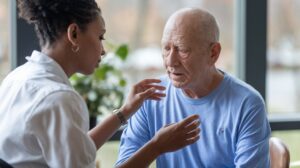
The stroke recovery period is a complex journey that varies significantly among individuals, typically spanning months to years depending on stroke severity and individual factors. Understanding the stages of stroke recovery helps patients and families prepare for the rehabilitation process and set realistic expectations for improvement over time.
Understanding the Stroke Recovery Timeline
The stroke recovery period follows a predictable pattern in most patients, with the most significant improvements occurring within the first six months after stroke onset. According to the American Stroke Association’s 2024 guidelines, approximately 85% of stroke survivors experience their most dramatic recovery within the first three months, known as the spontaneous recovery phase.
Recovery typically occurs in distinct phases, with each stage presenting unique challenges and opportunities for improvement. The 7 stages of stroke recovery provide a framework for understanding this complex process, from initial emergency treatment through long-term rehabilitation and adaptation.
Immediate Post-Stroke Phase (Hours to Days)
The first 24-72 hours after stroke are critical for determining long-term outcomes. During this acute phase, medical teams focus on stabilizing the patient and minimizing brain damage through interventions like clot-busting medications or surgical procedures. Early recognition using the BE-FAST protocol (Balance, Eyes, Face, Arms, Speech, Time) can significantly improve recovery prospects.
Hospital Stabilization Period (Days to Weeks)
Following initial treatment, patients enter the hospital stabilization phase where medical professionals monitor for complications and begin basic rehabilitation assessments. This period typically lasts 3-7 days for mild stroke recovery cases, while severe strokes may require several weeks of intensive care and monitoring.
First Few Weeks After Stroke: Setting the Foundation
The initial weeks following stroke discharge are crucial for establishing rehabilitation routines and preventing complications. During this period, patients typically experience significant fatigue and may struggle with basic activities of daily living. Stroke rehabilitation priorities focus on safety, preventing secondary complications, and beginning therapeutic interventions.
Family members and caregivers play a vital role during this phase, as patients often require assistance with mobility, medication management, and emotional support. The transition from hospital to home can be challenging, with many patients experiencing anxiety about their recovery prospects and ability to regain independence.
Initial Rehabilitation Goals
Early rehabilitation focuses on preventing complications such as blood clots, pneumonia, and muscle contractures. Physical therapy typically begins within 24-48 hours of stroke onset when medically stable. Stroke rehabilitation during this phase emphasizes basic mobility, swallowing assessment, and cognitive evaluation to establish baseline function levels.
Transitioning Home from Hospital
Discharge planning begins early in the hospital stay, with occupational therapists assessing home safety and recommending modifications. Many patients require adaptive equipment such as grab bars, shower seats, or mobility aids to ensure safe transitions. Leaving the hospital after stroke requires careful coordination between medical teams, rehabilitation professionals, and family caregivers.
1-3 Months Post-Stroke: The Critical Recovery Window
The first three months represent the most critical period for stroke recovery, with neuroplasticity at its peak during this timeframe. Research from the National Institute of Neurological Disorders and Stroke indicates that 60-70% of functional recovery occurs within this window, making intensive rehabilitation efforts particularly important.
During this phase, patients often experience fluctuating abilities, with some days showing significant improvement and others presenting setbacks. This variability is normal and reflects the brain’s ongoing healing process. Spontaneous recovery mechanisms are most active during this period, with neural pathways reorganizing to compensate for damaged areas.
Spontaneous Recovery Mechanisms
Spontaneous recovery occurs through various neurobiological processes, including diaschisis resolution, where brain areas temporarily shut down due to shock begin functioning again. Additionally, neuroplasticity allows undamaged brain regions to take over functions previously controlled by damaged areas. This process is most robust in the first 90 days post-stroke.
Managing Setbacks and Plateaus
Setbacks during the stroke recovery period are common and should not be viewed as permanent regression. Factors such as fatigue, illness, medication changes, or emotional stress can temporarily affect function. Understanding that recovery is not linear helps patients and families maintain realistic expectations and continue rehabilitation efforts.
6-Month Mark and Long-Term Recovery Expectations
The six-month post-stroke milestone has traditionally been considered a plateau point for recovery, but recent research challenges this assumption. While the rate of improvement may slow after six months, continued gains are possible with appropriate interventions and lifestyle modifications. Brain stroke recovery chances remain significant even beyond the initial recovery window.
Long-term recovery depends on multiple factors including stroke severity, age, overall health, and commitment to rehabilitation. Studies show that patients who maintain active rehabilitation programs can continue improving for years after their initial stroke, particularly in areas such as speech, fine motor skills, and cognitive function.
Age-Related Recovery Considerations
Age significantly impacts stroke recovery outcomes, with younger patients typically experiencing better functional recovery. However, older adults can still achieve meaningful improvements with appropriate rehabilitation. For patients over 70, stroke recovery may take longer but remains achievable with dedicated effort and family support.
The question of whether a 70-year-old can recover from stroke depends on multiple factors including pre-stroke health status, stroke severity, and rehabilitation participation. While recovery may be slower and less complete than in younger patients, significant functional improvements are still possible with proper medical care and rehabilitation.
Stroke Recovery After 2 Years: Continued Possibilities
Contrary to previous beliefs, stroke recovery after 2 years can continue with appropriate interventions and lifestyle modifications. Recent research demonstrates that the brain’s capacity for adaptation extends well beyond the traditional recovery window, particularly when patients engage in challenging, repetitive activities.
Long-term recovery strategies focus on maintaining gained function, preventing secondary strokes, and adapting to any permanent disabilities. Many patients find that their quality of life continues to improve years after their stroke as they develop coping strategies and discover new ways to accomplish daily activities.
Innovative Recovery Approaches
Emerging treatments such as transcranial magnetic stimulation, virtual reality therapy, and robotic-assisted rehabilitation show promise for enhancing long-term recovery outcomes. These approaches can help patients who have plateaued in traditional therapy programs achieve additional functional gains.
Lifestyle Modifications for Continued Recovery
Maintaining an active lifestyle through adapted exercise programs, social engagement, and cognitive challenges supports ongoing recovery. How to recover from stroke quickly involves consistent rehabilitation participation, proper nutrition, adequate sleep, and stress management techniques.
Signs of Recovery and Warning Signs
Recognizing signs of recovery from stroke helps patients and families track progress and maintain motivation. Positive indicators include improved balance, increased strength, better speech clarity, enhanced cognitive function, and greater independence in daily activities. Even small improvements should be celebrated as evidence of ongoing brain healing.
However, it’s equally important to recognize warning signs that may indicate complications or the need for medical intervention. Signs of impending death after stroke include severe swallowing difficulties, recurring infections, significant cognitive decline, or inability to maintain basic physiological functions.
Returning to Normal Life After Stroke
The question of whether you can go back to normal life after a stroke depends on individual circumstances and the definition of ‘normal.’ While some patients achieve near-complete recovery, others may need to adapt their lifestyle and expectations. The key is focusing on what’s possible rather than what’s lost.
Many stroke survivors discover that their ‘new normal’ can be fulfilling and meaningful, even if different from their pre-stroke life. Successful adaptation involves accepting limitations while maximizing remaining abilities, maintaining social connections, and finding purpose in modified activities or new pursuits.
Related video about stroke recovery period
This video complements the article information with a practical visual demonstration.
Important things to know about stroke recovery period
How long does it take to recover from a stroke?
Stroke recovery varies significantly among individuals, with most improvement occurring within the first 6 months. While significant gains typically happen in the first 3 months, recovery can continue for years with proper rehabilitation. The timeline depends on stroke severity, age, overall health, and rehabilitation participation.
Can you go back to normal life after a stroke?
Many stroke survivors can return to fulfilling lives, though their ‘new normal’ may differ from pre-stroke life. Recovery depends on stroke severity, affected brain areas, and rehabilitation efforts. While some achieve near-complete recovery, others adapt successfully to modified lifestyles while maintaining independence and quality of life.
Why is life expectancy reduced after a stroke?
Life expectancy may be reduced after stroke due to increased risk of recurrent strokes, cardiovascular complications, and other health issues. However, many survivors live full lives with proper medical care, lifestyle modifications, and secondary stroke prevention measures. The prognosis depends on age, stroke severity, and overall health management.
Can a 70 year old recover from a stroke?
Yes, a 70-year-old can recover from stroke, though recovery may be slower and less complete than in younger patients. Age-related factors include reduced neuroplasticity and potential comorbidities, but meaningful functional improvements are still achievable with dedicated rehabilitation, family support, and appropriate medical care.
What are the 7 stages of stroke recovery?
The 7 stages include: 1) Flaccid paralysis, 2) Spastic paralysis begins, 3) Increased spasticity, 4) Decreased spasticity, 5) Complex movement returns, 6) Spasticity disappears, and 7) Normal function returns. These stages represent the typical progression of motor recovery, though not all patients experience every stage or follow the exact sequence.
How can I recover from stroke quickly?
Quick stroke recovery involves starting rehabilitation immediately, maintaining consistency in therapy, following medical recommendations, staying physically active within limitations, eating a healthy diet, getting adequate sleep, managing stress, and maintaining social connections. Remember that recovery is a marathon, not a sprint, and patience is essential.
| Recovery Phase | Timeline | Expected Outcomes |
|---|---|---|
| Acute Phase | First 24-72 hours | Medical stabilization, preventing complications |
| Early Recovery | First 3 months | 60-70% of functional recovery occurs |
| Subacute Recovery | 3-6 months | Continued improvement, adaptation strategies |
| Chronic Recovery | 6 months and beyond | Ongoing gains possible with dedicated effort |

Jude Deveraux, une auteure américaine renommée pour ses romans captivants de romance et de fiction historique, a créé un univers littéraire avec plus de 40 best-sellers du New York Times. Sa maîtrise de plusieurs langues enrichit sa connexion avec un public mondial, inspirant ainsi les lecteurs du monde entier avec des histoires intemporelles. En dehors de l’écriture, Jude Deveraux est passionnée par la peinture, la randonnée et la cuisine internationale.