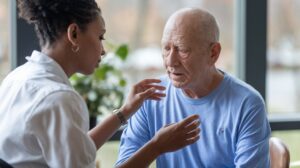
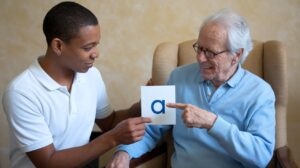
Advanced neurologic rehabilitation represents the forefront of medical technology and therapeutic techniques designed to restore function and improve quality of life for patients with neurological conditions. This comprehensive approach combines innovative therapies, specialized equipment, and evidence-based protocols to address complex neurological impairments caused by stroke, traumatic brain injury, spinal cord injury, and progressive neurological disorders.
What is Advanced Neurologic Rehabilitation
Advanced neurologic rehabilitation encompasses specialized therapeutic interventions that go beyond traditional rehabilitation methods to address complex neurological conditions. This multidisciplinary approach integrates cutting-edge technology, evidence-based treatment protocols, and personalized care plans to maximize functional recovery and independence. The field has evolved significantly in 2024-2025, incorporating artificial intelligence, virtual reality, and robotics to enhance treatment outcomes.
The primary goal of neurological rehabilitation is to help patients regain lost abilities while compensating for permanent deficits. This process involves comprehensive assessment, individualized treatment planning, and continuous monitoring of progress. Modern facilities utilize advanced diagnostic tools and therapeutic equipment to provide precise, targeted interventions that promote neuroplasticity and functional recovery.
Advanced Neuro Rehabilitation Techniques
Advanced neuro rehabilitation techniques have revolutionized treatment approaches for neurological conditions. These innovative methods leverage the brain’s natural ability to reorganize and form new neural connections, a process known as neuroplasticity. Current techniques include constraint-induced movement therapy, functional electrical stimulation, and brain-computer interface technology.
Robotic-Assisted Therapy
Robotic-assisted therapy represents a significant advancement in neurologic rehabilitation, providing precise, repetitive movements that facilitate motor learning and recovery. Devices like the Lokomat for gait training and Armeo for upper extremity rehabilitation allow therapists to deliver high-intensity, task-specific training while ensuring patient safety. These systems provide real-time feedback and can adjust resistance and assistance levels based on patient performance.
Virtual Reality Rehabilitation
Virtual reality rehabilitation creates immersive environments that engage patients in meaningful activities while targeting specific therapeutic goals. VR systems enable patients to practice daily living skills in safe, controlled environments while receiving immediate feedback. This technology has shown remarkable success in treating balance disorders, spatial neglect, and cognitive impairments following neurological injury.
Neurological Restoration Methods
Neurological restoration focuses on repairing and regenerating damaged neural tissue through innovative therapeutic approaches. This emerging field combines traditional rehabilitation techniques with cutting-edge medical interventions to promote healing at the cellular level. Stem cell therapy, transcranial magnetic stimulation, and neurostimulation devices are increasingly being integrated into comprehensive treatment protocols.
The concept of neurological restoration extends beyond functional improvement to actual tissue repair and regeneration. Research conducted in 2024-2025 has demonstrated promising results in using growth factors, neural stem cells, and bioengineering approaches to restore damaged neural pathways. These advancements offer hope for patients with previously untreatable neurological conditions.
Inpatient Neurological Rehabilitation Services
Inpatient neurological rehabilitation provides intensive, comprehensive care for patients with complex neurological conditions requiring 24-hour medical supervision. These specialized facilities offer coordinated care from multidisciplinary teams including neurologists, physiatrists, physical therapists, occupational therapists, and speech-language pathologists. The intensive nature of inpatient care allows for rapid progress and close monitoring of patient response to treatment.
Neuro Inpatient Rehab Programs
Neuro inpatient rehab programs typically provide 3-4 hours of therapy daily, combining physical, occupational, and speech therapy interventions. These programs are designed for patients who have the stamina and cognitive ability to participate in intensive rehabilitation activities. The average length of stay varies from 2-4 weeks depending on the complexity of the condition and individual progress rates.
Specialized Care Units
Specialized care units within neuro rehab hospitals focus on specific conditions such as stroke recovery, traumatic brain injury, or spinal cord injury. These units feature specialized equipment, environmental modifications, and staff trained in condition-specific protocols. The concentrated expertise and resources available in these units significantly improve patient outcomes and satisfaction rates.
Outpatient Neurological Rehabilitation
Outpatient neurological rehabilitation provides continued therapeutic services for patients who no longer require inpatient care but still need specialized intervention. These programs offer flexibility in scheduling and treatment intensity while maintaining access to advanced rehabilitation technologies and expert clinical staff. Outpatient services typically include individual and group therapy sessions, community reintegration training, and family education programs.
The transition from inpatient to outpatient neurological rehabilitation is carefully planned to ensure continuity of care and sustained progress. Many facilities offer day programs that provide several hours of therapy while allowing patients to return home each evening. This approach supports family involvement and community integration while maintaining therapeutic intensity.
Advancements in Neuro Rehab Technology
Advancements in neuro rehab technology continue to transform treatment possibilities for patients with neurological conditions. Artificial intelligence algorithms now analyze patient movement patterns and predict optimal treatment protocols. Brain-computer interfaces allow patients with severe motor impairments to control assistive devices through thought alone. These technological innovations represent the future of neurological rehabilitation.
Artificial Intelligence Integration
Artificial intelligence integration in neurologic rehabilitation enables personalized treatment optimization through continuous data analysis and machine learning algorithms. AI systems can predict patient responses to specific interventions, adjust therapy parameters in real-time, and identify subtle changes in patient status that might be missed by human observation. This technology enhances both treatment effectiveness and efficiency.
Wearable Technology Applications
Wearable technology applications provide continuous monitoring of patient activity, gait patterns, and physiological parameters outside the clinical setting. These devices enable therapists to track progress, identify problems early, and adjust treatment plans based on real-world performance data. Wearable sensors have become increasingly sophisticated, offering detailed insights into patient function and recovery patterns.
Specialized Therapy Services
Specialized therapy services within advanced neurologic rehabilitation address the diverse needs of patients with complex neurological conditions. Physical therapy focuses on mobility, strength, and motor function recovery. Occupational therapy addresses daily living skills, cognitive function, and environmental adaptation. Speech therapy targets communication disorders, swallowing difficulties, and cognitive-communication impairments.
The integration of specialized therapy services ensures comprehensive care that addresses all aspects of neurological impairment. Team collaboration and regular communication between disciplines optimize treatment outcomes and prevent gaps in care. Modern rehabilitation facilities emphasize evidence-based practice and continuous quality improvement to maintain the highest standards of care.
Finding Advanced Neurologic Rehabilitation Near You
Finding quality advanced neurologic rehabilitation services requires careful consideration of facility credentials, staff expertise, and available technology. Leading neuro rehab hospitals in the United States maintain accreditation from the Commission on Accreditation of Rehabilitation Facilities (CARF) and offer comprehensive programs staffed by board-certified specialists. Geographic considerations, insurance coverage, and specific program availability should all factor into the selection process.
When researching neurologic rehabilitation options, consider factors such as treatment philosophy, technology availability, staff-to-patient ratios, and outcome data. Many facilities offer virtual consultations and facility tours to help patients and families make informed decisions. The choice of rehabilitation facility significantly impacts recovery outcomes and long-term quality of life.
Related video about advanced neurologic rehabilitation
This video complements the article information with a practical visual demonstration.
Key Questions and Answers
What are the advanced neuro rehabilitation techniques?
Advanced neuro rehabilitation techniques include robotic-assisted therapy, virtual reality rehabilitation, constraint-induced movement therapy, functional electrical stimulation, and brain-computer interface technology. These methods leverage neuroplasticity to promote recovery and functional improvement in patients with neurological conditions.
What is done in neuro rehabilitation?
Neuro rehabilitation involves comprehensive assessment, individualized treatment planning, and multidisciplinary therapy interventions. Services typically include physical therapy, occupational therapy, speech therapy, cognitive rehabilitation, and psychological support. The goal is to maximize functional recovery and independence while addressing specific neurological impairments.
What are the advancements in neuro rehab?
Recent advancements in neuro rehab include artificial intelligence integration, wearable technology applications, stem cell therapy, transcranial magnetic stimulation, and advanced neuroimaging techniques. These innovations enable personalized treatment optimization, continuous monitoring, and improved outcomes for patients with complex neurological conditions.
What is neurological restoration?
Neurological restoration focuses on repairing and regenerating damaged neural tissue through innovative therapeutic approaches. This field combines traditional rehabilitation with cutting-edge medical interventions including stem cell therapy, growth factors, and bioengineering approaches to promote healing at the cellular level and restore damaged neural pathways.
How long does advanced neurologic rehabilitation take?
The duration of advanced neurologic rehabilitation varies significantly based on the severity of the condition, individual response to treatment, and specific goals. Inpatient programs typically last 2-4 weeks, while outpatient rehabilitation can continue for several months to years. Recovery is often a gradual process requiring ongoing therapeutic support.
What conditions benefit from advanced neurologic rehabilitation?
Advanced neurologic rehabilitation benefits patients with stroke, traumatic brain injury, spinal cord injury, Parkinson’s disease, multiple sclerosis, cerebral palsy, and other neurological conditions. The comprehensive approach addresses motor, cognitive, speech, and functional impairments to maximize recovery potential and improve quality of life.
| Treatment Component | Key Features | Patient Benefits |
|---|---|---|
| Robotic-Assisted Therapy | Precise, repetitive movements with real-time feedback | Enhanced motor learning and safety |
| Virtual Reality Rehabilitation | Immersive environments for skill practice | Improved engagement and functional outcomes |
| AI Integration | Personalized treatment optimization | Faster progress and better outcomes |
| Multidisciplinary Care | Coordinated team approach | Comprehensive treatment addressing all needs |

Jude Deveraux, une auteure américaine renommée pour ses romans captivants de romance et de fiction historique, a créé un univers littéraire avec plus de 40 best-sellers du New York Times. Sa maîtrise de plusieurs langues enrichit sa connexion avec un public mondial, inspirant ainsi les lecteurs du monde entier avec des histoires intemporelles. En dehors de l’écriture, Jude Deveraux est passionnée par la peinture, la randonnée et la cuisine internationale.