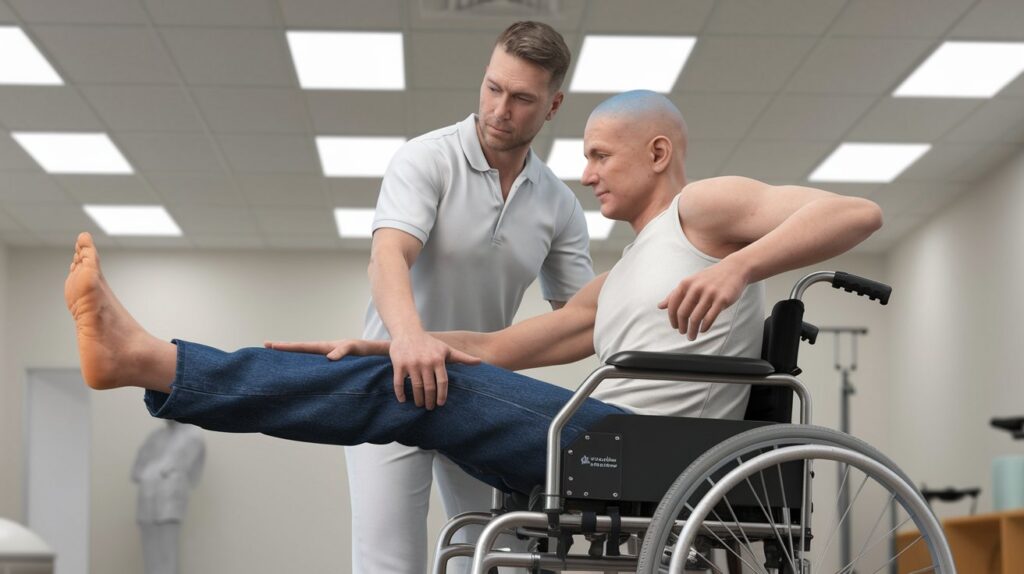
Physiotherapy for spinal cord injury represents the cornerstone of comprehensive rehabilitation, offering evidence-based interventions that maximize functional recovery and independence. With over 294,000 Americans living with spinal cord injuries in 2024, specialized physiotherapy approaches have evolved to address the complex needs of this population through targeted mobility training, strength conditioning, and adaptive strategies tailored to individual injury levels and recovery goals.
Understanding Spinal Cord Injury Classifications and Physiotherapy Implications
Spinal cord injuries are classified using the American Spinal Injury Association (ASIA) Impairment Scale, which directly influences physiotherapy treatment plans. Complete injuries (ASIA A) result in total loss of motor and sensory function below the injury level, while incomplete injuries (ASIA B, C, D) retain varying degrees of function. This classification system guides physiotherapists in developing realistic goals and selecting appropriate interventions for each patient’s specific condition.
The level of injury significantly impacts rehabilitation outcomes, with cervical spinal cord injuries affecting approximately 60% of cases and requiring specialized approaches for upper extremity function. Thoracic injuries primarily affect trunk stability and lower extremity function, while lumbar injuries typically preserve upper body strength but require intensive gait training and mobility interventions.
Comprehensive Physiotherapy Assessment for Spinal Cord Injury
Initial physiotherapy assessment following spinal cord injury involves comprehensive evaluation of motor function, sensory capacity, muscle tone, and functional abilities. Standardized assessment tools including the Spinal Cord Independence Measure (SCIM) and Functional Independence Measure (FIM) provide objective baselines for tracking progress throughout rehabilitation. These assessments typically occur within 72 hours of medical stabilization to establish accurate prognosis and treatment priorities.
Advanced assessment techniques in 2024 include quantitative muscle testing using handheld dynamometry, postural stability analysis, and functional movement screening adapted for wheelchair users. Physiotherapists also evaluate respiratory function, cardiovascular fitness, and pain levels to develop comprehensive treatment plans addressing all aspects of recovery and long-term health maintenance.
Evidence-Based Physiotherapy Interventions
Modern physiotherapy interventions for spinal cord injury incorporate neuroplasticity principles and task-specific training approaches. Locomotor training using body weight support systems and robotic-assisted devices has shown significant improvements in walking capacity for patients with incomplete injuries. Research from 2024 indicates that 65% of patients with incomplete thoracic injuries achieve some level of ambulatory function through intensive gait training protocols.
Functional electrical stimulation (FES) combined with traditional exercise therapy enhances muscle activation and prevents disuse atrophy in paralyzed muscles. Spinal cord injury rehabilitation programs now integrate virtual reality systems and biofeedback technology to improve motor learning and patient engagement, resulting in 30% faster achievement of functional milestones compared to conventional approaches.
Strength and Conditioning Protocols
Progressive resistance training forms the foundation of strength conditioning programs for spinal cord injury patients, focusing on preserved muscle groups while preventing secondary complications. Upper extremity strengthening protocols target shoulder girdle stability, grip strength, and endurance for wheelchair propulsion efficiency. Research demonstrates that structured strength training programs reduce shoulder pain prevalence from 84% to 52% in chronic wheelchair users.
Cardiovascular Fitness Training
Cardiovascular conditioning addresses the significantly reduced exercise capacity following spinal cord injury, with patients typically demonstrating 20-40% lower fitness levels compared to able-bodied individuals. Arm ergometry, wheelchair racing protocols, and functional electrical stimulation cycling provide effective cardiovascular training options. Current guidelines recommend 150 minutes of moderate-intensity exercise weekly, adapted to individual functional levels and injury characteristics.
Specialized Gait Training and Mobility Interventions
Gait training represents a primary focus for patients with incomplete spinal cord injuries, utilizing evidence-based approaches including body weight support treadmill training and overground walking practice. The Lokomat robotic system and similar devices provide consistent gait patterns while allowing therapists to adjust support levels progressively. Studies show that patients receiving robotic-assisted gait training achieve independent walking 40% more frequently than those receiving conventional therapy alone.
Wheelchair mobility training encompasses both manual and power chair options, with physiotherapists teaching energy-efficient propulsion techniques, transfer skills, and navigation strategies for various environments. Advanced training includes sports-specific skills, rough terrain navigation, and emergency procedures to maximize independence and safety in community settings.
Pain Management Through Physiotherapy
Chronic pain affects 65-85% of individuals with spinal cord injuries, requiring multimodal physiotherapy approaches for effective management. Neuropathic pain responds well to specific exercise protocols, electrical stimulation, and manual therapy techniques targeting affected dermatomes. Musculoskeletal pain, particularly in the shoulders and upper extremities, benefits from postural correction, strengthening exercises, and ergonomic modifications.
Advanced pain management techniques include transcutaneous electrical nerve stimulation (TENS), therapeutic ultrasound, and dry needling for trigger point release. Physiotherapy pain management protocols demonstrate 40-60% reduction in pain intensity scores when combined with patient education and self-management strategies tailored to individual pain patterns and functional goals.
Respiratory Physiotherapy and Pulmonary Function
Respiratory complications represent the leading cause of morbidity in cervical spinal cord injuries, making pulmonary physiotherapy essential for optimal outcomes. Inspiratory muscle training using threshold devices improves respiratory muscle strength by 25-40% in patients with high-level injuries. Assisted cough techniques, postural drainage, and chest physiotherapy prevent pneumonia and maintain airway clearance in patients with compromised respiratory function.
Advanced respiratory interventions include non-invasive ventilation strategies, phrenic nerve stimulation, and breathing pattern retraining. Physiotherapists specializing in respiratory care provide training in mechanical insufflation-exsufflation devices and collaborate with pulmonologists to optimize ventilatory support while maximizing patient independence and quality of life.
Technology Integration in Spinal Cord Injury Rehabilitation
Cutting-edge technology enhances physiotherapy outcomes for spinal cord injury patients through innovative training modalities and assessment tools. Exoskeleton devices enable overground walking practice for patients with complete injuries, promoting bone health and cardiovascular fitness while providing psychological benefits. Virtual reality systems create engaging environments for balance training and motor skill development, improving treatment adherence and functional outcomes.
Telerehabilitation platforms expanded significantly in 2024, allowing physiotherapists to provide remote monitoring and guidance for home exercise programs. Wearable sensors track activity levels, monitor posture, and provide real-time feedback to patients and clinicians, enabling personalized treatment adjustments and preventing secondary complications through early intervention strategies.
Robotic-Assisted Therapy Systems
Robotic rehabilitation systems provide consistent, high-intensity training protocols that would be impossible to achieve through manual therapy alone. The Lokomat, Ekso, and ReWalk systems offer different advantages for gait training and mobility enhancement. Recent meta-analyses demonstrate that robotic-assisted training combined with conventional physiotherapy produces superior outcomes compared to either intervention alone.
Biofeedback and Motor Learning Enhancement
Biofeedback technologies including EMG, force plates, and motion analysis systems provide objective feedback during motor learning activities. These tools help patients understand muscle activation patterns and movement quality, facilitating more effective retraining of preserved motor function. Studies show that biofeedback-enhanced training reduces learning time by 35% and improves motor skill retention in spinal cord injury patients.
Long-term Health Management and Prevention
Long-term physiotherapy management focuses on preventing secondary complications including pressure ulcers, contractures, osteoporosis, and cardiovascular deconditioning. Regular weight-bearing exercises, range of motion maintenance, and skin inspection protocols form the foundation of preventive care. Bone health interventions including standing frames and FES cycling help maintain bone density and reduce fracture risk by 40-50% in long-term wheelchair users.
Ongoing fitness programs adapted for spinal cord injury populations include wheelchair sports, aquatic therapy, and community-based exercise classes. These programs address the sedentary lifestyle challenges faced by 78% of individuals with chronic spinal cord injuries, promoting cardiovascular health, social integration, and psychological well-being through structured physical activity participation.
Related video about physiotherapy for spinal cord injury
This video complements the article information with a practical visual demonstration.
Your questions answered
What kind of physical therapy is used for spinal cord injury?
Physical therapy for spinal cord injury includes gait training, strength conditioning, balance exercises, wheelchair mobility training, respiratory therapy, and pain management techniques. Treatment varies based on injury level and completeness, with incomplete injuries focusing on walking recovery while complete injuries emphasize wheelchair skills and transfer training.
How can a physiotherapist help someone with a spinal cord injury?
Physiotherapists help spinal cord injury patients by developing individualized treatment plans targeting mobility, strength, and independence. They provide specialized training in transfers, wheelchair skills, gait training for incomplete injuries, pain management, and prevention of secondary complications like pressure sores and contractures.
How long does it take to walk again after a spinal cord injury?
Walking recovery depends on injury severity and level. Patients with incomplete injuries may begin walking within 3-6 months with intensive rehabilitation, while some achieve independent walking within 12-18 months. Complete injuries typically do not regain walking ability, though emerging technologies like exoskeletons provide assisted mobility options.
Which exercise is best for spinal cord injury?
The best exercises vary by injury level but include resistance training for preserved muscles, cardiovascular conditioning through arm ergometry or wheelchair training, flexibility exercises to prevent contractures, and functional training for daily activities. Gait training is prioritized for incomplete injuries with walking potential.
Do I need a referral to start physiotherapy after a spinal cord injury?
Most insurance plans and healthcare systems require a physician referral for physiotherapy services. However, some states allow direct access to physical therapy without referral. It’s recommended to consult with your healthcare provider to ensure proper coordination of care and insurance coverage for specialized spinal cord injury rehabilitation.
How long does the rehabilitation process take after a spinal cord injury?
Rehabilitation duration varies significantly based on injury severity and individual factors. Initial inpatient rehabilitation typically lasts 2-6 months, followed by outpatient therapy for 6-12 months. However, many patients continue lifelong fitness programs and periodic therapy sessions to maintain function and prevent complications.
| Physiotherapy Component | Key Benefits | Expected Outcomes |
|---|---|---|
| Gait Training | Improved walking capacity and balance | 65% of incomplete injuries achieve some walking ability |
| Strength Training | Enhanced muscle power and endurance | 52% reduction in shoulder pain prevalence |
| Respiratory Therapy | Improved breathing and lung capacity | 25-40% increase in respiratory muscle strength |
| Technology Integration | Enhanced training effectiveness | 35% faster skill acquisition with biofeedback |
| Long-term Management | Prevention of secondary complications | 40-50% reduction in fracture risk |

Jude Deveraux, une auteure américaine renommée pour ses romans captivants de romance et de fiction historique, a créé un univers littéraire avec plus de 40 best-sellers du New York Times. Sa maîtrise de plusieurs langues enrichit sa connexion avec un public mondial, inspirant ainsi les lecteurs du monde entier avec des histoires intemporelles. En dehors de l’écriture, Jude Deveraux est passionnée par la peinture, la randonnée et la cuisine internationale.