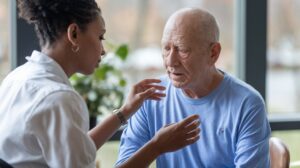
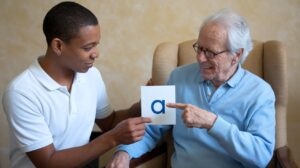
Home-based speech therapy for stroke patients offers a convenient and effective path to recovery for millions of Americans. With over 795,000 strokes occurring annually in the United States, many survivors face speech challenges that can be addressed through targeted home therapy programs. This comprehensive guide provides proven techniques, exercises, and strategies to help stroke patients regain their communication abilities from the comfort of their homes.
Understanding How Stroke Affects Speech and Communication
Stroke impacts speech through damage to specific brain regions responsible for language processing and motor control. Approximately 25-40% of stroke patients experience speech difficulties, ranging from mild articulation problems to severe communication impairments. The left hemisphere of the brain, which controls language in most people, is particularly vulnerable to stroke-related damage.
Speech problems after stroke typically manifest as aphasia, dysarthria, or apraxia of speech. Each condition affects communication differently, requiring tailored therapeutic approaches. Understanding these distinctions is crucial for developing effective home speech therapy programs that address specific needs and maximize recovery potential.
Aphasia: Language Processing Difficulties
Aphasia affects approximately 2 million Americans and occurs when stroke damages language centers in the brain. This condition impairs the ability to speak, understand, read, or write. Patients may struggle to find words, form sentences, or comprehend spoken language. Recovery rates vary significantly, with intensive therapy showing the most promising results for language restoration.
Dysarthria and Apraxia: Motor Speech Disorders
Dysarthria results from muscle weakness or paralysis affecting speech production, while apraxia involves difficulty coordinating speech movements despite normal muscle function. Both conditions can significantly impact communication clarity and require specific therapeutic interventions focused on motor control and coordination exercises.
Benefits of Home-Based Speech Therapy Programs
Home-based speech therapy offers numerous advantages for stroke recovery, including increased practice frequency, reduced transportation barriers, and comfortable learning environments. Research indicates that patients who engage in daily home practice show 30-40% faster improvement rates compared to those relying solely on clinical sessions.
The convenience of home therapy allows for integration of speech exercises into daily routines, promoting consistent practice and functional communication skills. Family members can participate actively in the recovery process, providing ongoing support and reinforcement of therapeutic techniques throughout the day.
Essential Home Speech Therapy Exercises
Effective speech therapy exercises for stroke patients focus on strengthening oral muscles, improving articulation, and enhancing language processing. These exercises should be performed daily, with sessions lasting 15-30 minutes for optimal results. Consistency and proper technique are essential for achieving meaningful progress in speech recovery.
The following exercises represent evidence-based approaches to stroke speech recovery that can be safely performed at home with proper guidance and instruction from qualified speech-language pathologists.
Tongue and Lip Strengthening Exercises
Tongue strengthening exercises include tongue protrusion holds, lateral movements, and resistance training using tongue depressors. Lip exercises focus on pursing, spreading, and alternating movements to improve articulation clarity. These foundational exercises enhance muscle control necessary for clear speech production and should be performed 10-15 repetitions, three times daily.
Breathing and Voice Exercises
Proper breathing techniques form the foundation of effective speech production. Stroke patients benefit from diaphragmatic breathing exercises, sustained vowel sounds, and voice projection activities. These exercises improve respiratory support for speech and enhance vocal quality, volume, and endurance during communication activities.
Word Practice and Vocabulary Recovery Techniques
Systematic word practice using lists of words for stroke patients helps rebuild vocabulary and improve word retrieval abilities. Start with high-frequency words, personal names, and functional vocabulary relevant to daily activities. Progressive difficulty levels ensure appropriate challenge while maintaining motivation and success rates.
Visual aids, repetitive practice, and contextual learning enhance word recovery outcomes. Speech therapy worksheets provide structured practice opportunities and track progress over time, essential components of effective home-based rehabilitation programs.
Functional Communication Practice
Functional communication exercises focus on real-world scenarios such as ordering food, making phone calls, and engaging in conversations. These activities bridge the gap between structured exercises and practical communication needs, helping stroke patients regain confidence in social interactions and daily communication tasks.
Reading and Writing Recovery Activities
Reading comprehension and writing skills often require dedicated attention in stroke recovery programs. Progressive reading exercises, from single words to complex sentences, combined with writing practice, help restore literacy skills essential for independence and quality of life improvement.
Technology Resources for Home Speech Therapy
Modern technology offers innovative solutions for home speech therapy, including mobile applications, online platforms, and digital therapy tools. These resources provide interactive exercises, progress tracking, and accessibility features that enhance traditional therapy approaches.
Free online speech therapy resources have expanded significantly, offering cost-effective alternatives and supplementary materials for stroke survivors. Video-based instruction and virtual reality applications represent emerging technologies showing promise in speech rehabilitation outcomes.
Creating an Effective Home Therapy Schedule
Successful home speech therapy requires structured scheduling and consistent practice routines. Research indicates that multiple short sessions throughout the day prove more effective than single lengthy sessions. A typical schedule might include three 15-minute sessions focusing on different aspects of speech recovery.
Tracking progress through daily logs and regular assessments helps maintain motivation and identify areas needing additional attention. Speech therapy schedules should be flexible enough to accommodate daily activities while maintaining therapeutic intensity necessary for optimal recovery outcomes.
Family Support and Caregiver Training
Family involvement significantly impacts stroke recovery success rates, with trained caregivers providing essential support for daily practice and communication facilitation. Caregiver education programs teach proper exercise techniques, communication strategies, and motivational approaches that enhance therapeutic outcomes.
Creating a supportive home environment that encourages communication attempts and celebrates progress, regardless of size, contributes to faster recovery and improved quality of life for stroke patients and their families.
Monitoring Progress and Adjusting Treatment Plans
Regular assessment of speech recovery progress ensures therapy remains effective and appropriately challenging. Key indicators include improved articulation clarity, increased vocabulary usage, and enhanced functional communication abilities. Professional guidance helps interpret progress data and adjust therapeutic approaches as needed.
Expected stroke speech recovery time varies widely, typically ranging from several months to several years, depending on stroke severity, therapy intensity, and individual factors. Patience and persistence remain crucial elements of successful recovery journeys.
Related video about speech therapy for stroke patients at home
This video complements the article information with a practical visual demonstration.
Everything you need to know about speech therapy for stroke patients at home
How to help a stroke victim talk again?
Help stroke victims regain speech through consistent practice of tongue and lip exercises, word repetition activities, and functional communication practice. Start with simple sounds and gradually progress to words and sentences. Professional guidance from a speech-language pathologist ensures proper technique and maximizes recovery potential.
Can speech therapy be done at home?
Yes, speech therapy can be effectively performed at home with proper guidance and structured programs. Home therapy offers increased practice frequency, comfortable learning environments, and family involvement opportunities. However, professional supervision and periodic assessments remain essential for optimal outcomes.
How long does stroke speech recovery take?
Stroke speech recovery time varies significantly, typically ranging from 3 months to 2 years or longer. Factors affecting recovery include stroke severity, therapy intensity, patient motivation, and individual neuroplasticity. Most significant improvements occur within the first 6 months, though continued progress is possible with ongoing therapy.
What are the most effective home speech exercises?
The most effective home speech exercises include tongue strengthening activities, lip mobility exercises, breathing techniques, and word practice drills. Daily practice of these exercises for 15-30 minutes, combined with functional communication activities, provides comprehensive therapy addressing multiple aspects of speech recovery.
Are there free resources for stroke speech therapy?
Yes, numerous free online resources are available including speech therapy apps, downloadable worksheets, YouTube instruction videos, and university-provided materials. These resources complement professional therapy and provide additional practice opportunities for stroke survivors and their families.
| Recovery Aspect | Key Details | Expected Benefit |
|---|---|---|
| Home Practice Frequency | 3 sessions daily, 15-30 minutes each | 30-40% faster improvement rates |
| Tongue Strengthening | 10-15 repetitions, 3 times daily | Improved articulation clarity |
| Technology Integration | Mobile apps and online platforms | Enhanced engagement and tracking |
| Family Support | Trained caregivers and encouragement | Accelerated recovery outcomes |
| Recovery Timeline | 3 months to 2+ years | Significant progress in first 6 months |

Jude Deveraux, une auteure américaine renommée pour ses romans captivants de romance et de fiction historique, a créé un univers littéraire avec plus de 40 best-sellers du New York Times. Sa maîtrise de plusieurs langues enrichit sa connexion avec un public mondial, inspirant ainsi les lecteurs du monde entier avec des histoires intemporelles. En dehors de l’écriture, Jude Deveraux est passionnée par la peinture, la randonnée et la cuisine internationale.