
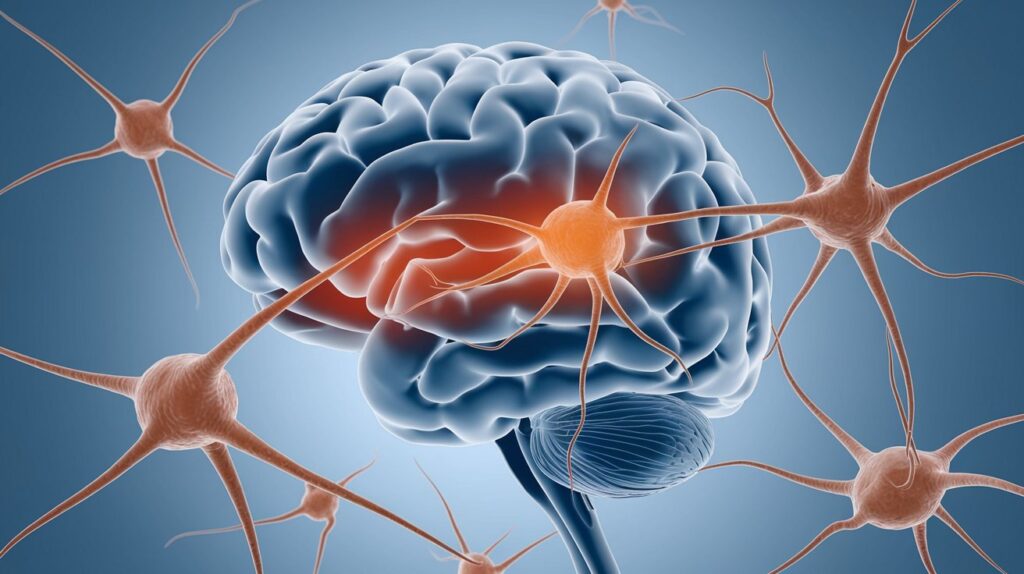
Understanding stroke recovery time is crucial for patients and families navigating this challenging journey. Recovery timelines vary significantly based on stroke severity, affected brain areas, and individual factors. While some patients see improvements within weeks, others may experience gradual progress over months or years. This comprehensive guide provides current 2025 insights into stroke recovery stages, timelines, and what factors influence your brain’s healing process.
Initial Treatment and First 24 Hours
The first 24 hours after a stroke are critical for determining recovery outcomes. Emergency medical teams focus on restoring blood flow to the brain and preventing further damage. During this acute phase, doctors assess stroke severity using standardized scales and begin immediate interventions. Time is brain – every minute matters in preserving neurological function and improving long-term recovery prospects.
Hospital protocols in 2025 emphasize rapid assessment and treatment initiation. Advanced imaging techniques help medical teams identify the stroke type and affected brain regions within minutes. This immediate response phase sets the foundation for the entire recovery process and significantly impacts overall outcomes. Patients receiving treatment within the first few hours typically experience better recovery rates than those with delayed care.
First Few Weeks After Stroke
The initial weeks following a stroke represent a critical period where the brain begins its natural healing process. During this time, patients often experience the most dramatic improvements as swelling reduces and damaged brain tissue stabilizes. Medical teams focus on preventing complications while encouraging early mobilization and basic rehabilitation activities. Spontaneous recovery typically begins within the first 48-72 hours and continues throughout the first month.
Healthcare providers monitor vital signs, manage medications, and assess neurological function daily. This period requires intensive medical supervision as patients may experience fluctuating symptoms and potential complications. The brain’s plasticity is most active during these early weeks, making this an optimal time for beginning structured rehabilitation programs that can significantly impact long-term recovery outcomes.
Stroke Rehabilitation Priorities
Early rehabilitation focuses on preventing secondary complications while maximizing functional recovery. Physical therapists work on mobility and strength, occupational therapists address daily living skills, and speech therapists tackle communication challenges. This multidisciplinary approach ensures comprehensive care addressing all aspects of stroke recovery. Priority areas include preventing blood clots, maintaining joint mobility, and establishing basic self-care routines.
Leaving the Hospital After a Stroke
Hospital discharge typically occurs when patients achieve medical stability and basic mobility. The average hospital stay for stroke patients ranges from 3-7 days, depending on stroke severity and complications. Discharge planning involves coordinating outpatient rehabilitation services, medication management, and family education. Many patients transition to inpatient rehabilitation facilities or skilled nursing facilities before returning home, extending their supervised recovery period.
1-3 Months Post-Stroke Recovery Phase
The first three months represent the most intensive recovery period for stroke survivors. During this timeframe, patients typically experience significant neurological improvements as the brain’s natural healing mechanisms are most active. Research shows that approximately 65% of functional recovery occurs within the first three months, making this period crucial for aggressive rehabilitation efforts. Spontaneous recovery combined with structured therapy yields the most substantial gains.
This phase requires consistent rehabilitation scheduling, often involving multiple therapy sessions per week. Patients work on regaining motor skills, improving cognitive function, and adapting to any permanent changes. Family involvement becomes increasingly important as patients prepare for greater independence. The recovery rate during this period helps predict long-term outcomes and guides future treatment planning.
Spontaneous Recovery Process
Spontaneous recovery refers to the brain’s natural ability to heal and compensate for damaged areas without specific intervention. This process is most pronounced in the first 90 days after stroke, when neural pathways reorganize and healthy brain tissue assumes functions of damaged areas. Understanding this natural healing process helps patients and families set realistic expectations while remaining optimistic about potential improvements.
Anticipating Recovery Setbacks
Recovery rarely follows a straight upward trajectory, and patients should expect temporary setbacks during the healing process. Factors such as fatigue, infection, or medication changes can temporarily impact progress. These setbacks are normal and don’t indicate permanent regression. Healthcare teams prepare patients for these fluctuations while maintaining focus on long-term recovery goals and celebrating incremental improvements.
Mild Stroke Recovery Stages
Patients experiencing mild strokes often follow a more predictable recovery pattern with better overall outcomes. The three primary stages include acute stabilization, active recovery, and adaptation phases. During the acute stage, symptoms may fluctuate as the brain adjusts to the injury. The active recovery phase, lasting 3-6 months, shows the most dramatic improvements. The adaptation phase focuses on maximizing independence and preventing future strokes.
Mild stroke recovery typically allows patients to return to many pre-stroke activities within 6-12 months. However, subtle changes in cognitive function, fatigue levels, or emotional regulation may persist. These patients often benefit from outpatient rehabilitation programs that address specific functional goals while providing ongoing support and education about stroke prevention strategies.
The 6-Month Mark and Beyond
The six-month milestone represents a significant point in stroke recovery when the rate of spontaneous improvement typically slows. While dramatic changes become less common after this point, continued progress remains possible through dedicated rehabilitation efforts. Many patients achieve their maximum functional recovery between 6-12 months post-stroke, though improvements can continue for years with appropriate interventions.
Long-term recovery after stroke focuses on maintaining gains, preventing decline, and adapting to any permanent changes. Patients often require ongoing support for managing chronic conditions, preventing future strokes, and maintaining mental health. The brain’s plasticity continues throughout life, meaning that new learning and adaptation remain possible even years after the initial stroke event.
Brain Stroke Recovery Chances
Recovery chances depend on multiple factors including stroke location, severity, age, and overall health status. Statistics show that approximately 80% of stroke survivors experience some degree of recovery, with 40% achieving near-complete functional independence. Brain stroke recovery varies significantly among individuals, making personalized treatment approaches essential for optimal outcomes.
Factors influencing recovery chances include pre-stroke fitness level, presence of other medical conditions, access to rehabilitation services, and family support systems. Younger patients typically experience better outcomes, though age alone doesn’t determine recovery potential. The brain’s ability to heal and form new neural connections remains active throughout life, offering hope for continued improvement regardless of initial stroke severity.
How Long Does It Take to Recover from a Stroke
Complete stroke recovery time varies dramatically based on individual circumstances, but most patients see significant improvements within the first year. Minor strokes may show substantial recovery within weeks to months, while severe strokes may require years of rehabilitation. The general timeline shows most rapid improvement in the first 3-6 months, with continued but slower progress extending up to two years or longer.
Recovery timelines are influenced by stroke type, affected brain areas, patient age, and rehabilitation intensity. How long recovery takes cannot be precisely predicted, as each patient’s journey is unique. However, maintaining realistic expectations while remaining committed to rehabilitation efforts provides the best opportunity for maximizing functional improvement and quality of life.
Life Expectancy After Stroke
The life expectancy of stroke survivors depends on various factors including age at stroke onset, severity, and management of risk factors. Recent 2024 data indicates that stroke survivors have a life expectancy approximately 4-6 years shorter than the general population. However, this varies significantly based on individual health status, access to medical care, and adherence to prevention strategies.
Improving life expectancy after stroke requires comprehensive medical management, lifestyle modifications, and ongoing rehabilitation efforts. Patients who actively participate in recovery programs, manage chronic conditions, and maintain healthy lifestyles often achieve life expectancies closer to normal ranges. Regular medical follow-up and stroke prevention strategies play crucial roles in long-term survival and quality of life.
Signs of Recovery from Stroke
Recognizing signs of recovery helps patients and families track progress and maintain motivation during rehabilitation. Early signs include improved alertness, better swallowing function, and increased movement in affected limbs. Cognitive improvements may manifest as better attention span, improved memory, and enhanced problem-solving abilities. Speech and language recovery often shows gradual but steady progress over months.
Physical recovery signs include increased strength, improved balance, and better coordination. Patients may notice improvements in daily activities such as dressing, eating, and walking. Emotional recovery signs include better mood stability, reduced anxiety, and increased engagement in social activities. These positive changes often occur gradually, requiring patience and persistence from both patients and caregivers throughout the recovery process.
Related video about stroke recovery time
This video complements the article information with a practical visual demonstration.
Questions & Answers
How long does it take to recover from a stroke?
Stroke recovery time varies significantly based on severity, location, and individual factors. Most patients see the greatest improvements within the first 3-6 months, with continued progress possible for up to two years or longer. Mild strokes may show substantial recovery within weeks to months, while severe strokes typically require 6-12 months or more for maximum functional improvement.
What is the life expectancy of a person after a stroke?
Life expectancy after stroke depends on age, stroke severity, and health management. Recent data shows stroke survivors have approximately 4-6 years shorter life expectancy than the general population. However, patients who actively participate in rehabilitation, manage risk factors, and maintain healthy lifestyles often achieve near-normal life expectancies.
What is the recovery rate for a stroke?
Approximately 80% of stroke survivors experience some degree of recovery, with 40% achieving near-complete functional independence. About 65% of functional recovery occurs within the first three months. Recovery rates are highest for younger patients and those with mild strokes, though improvement potential exists for all stroke severities.
Does your brain heal after a stroke?
Yes, the brain has remarkable healing capacity through neuroplasticity – the ability to form new neural connections and reorganize functions. This healing process is most active in the first 90 days but continues throughout life. Healthy brain tissue can assume functions of damaged areas, and new pathways can develop with proper rehabilitation and stimulation.
What are the 3 stages of stroke recovery?
The three main stages are: 1) Acute stage (first few days to weeks) focusing on medical stabilization and preventing complications; 2) Active recovery stage (3-6 months) showing the most dramatic improvements through intensive rehabilitation; 3) Adaptation stage (6+ months) emphasizing long-term adjustment, maintaining gains, and preventing future strokes.
How can I recover from stroke quickly?
Quick stroke recovery requires immediate medical attention, early rehabilitation, consistent therapy participation, and strong family support. Key factors include starting rehabilitation within 24-48 hours, maintaining regular therapy schedules, following medication regimens, adopting healthy lifestyle changes, and staying motivated throughout the recovery process. However, recovery takes time and patience is essential.
| Recovery Phase | Timeline | Key Milestones |
|---|---|---|
| Acute Phase | First 24-72 hours | Medical stabilization, immediate treatment |
| Early Recovery | First 3 months | 65% of functional recovery occurs |
| Active Recovery | 3-6 months | Intensive rehabilitation, major improvements |
| Long-term Recovery | 6+ months | Adaptation, maintenance, continued improvement |

Jude Deveraux, une auteure américaine renommée pour ses romans captivants de romance et de fiction historique, a créé un univers littéraire avec plus de 40 best-sellers du New York Times. Sa maîtrise de plusieurs langues enrichit sa connexion avec un public mondial, inspirant ainsi les lecteurs du monde entier avec des histoires intemporelles. En dehors de l’écriture, Jude Deveraux est passionnée par la peinture, la randonnée et la cuisine internationale.



