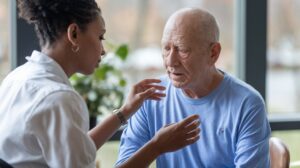
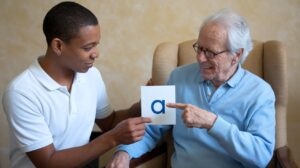
Stroke occupational therapy helps patients regain independence in daily activities after experiencing a stroke. This comprehensive rehabilitation approach focuses on retraining the brain and restoring functional abilities, with occupational therapy playing a crucial role in the recovery process. Professional therapists use specialized assessments and interventions to help stroke patients rebuild essential skills for daily living.
Understanding Stroke Occupational Therapy
Stroke occupational therapy is a specialized rehabilitation service that helps individuals recover from stroke-related disabilities. The primary goal is to restore independence in activities of daily living (ADLs) through targeted interventions and adaptive techniques. Occupational therapy for stroke patients addresses both physical and cognitive impairments that commonly occur after stroke, including motor function, sensory processing, and executive functioning.
Recent statistics from the American Stroke Association indicate that approximately 795,000 Americans experience a stroke each year, with occupational therapy being a critical component of recovery for most survivors. The therapy focuses on helping patients relearn essential skills such as dressing, eating, bathing, and work-related activities. Therapists work closely with patients to develop personalized treatment plans that address specific deficits and maximize functional outcomes.
Core Principles of Stroke Rehabilitation
The foundation of stroke occupational therapy rests on neuroplasticity – the brain’s ability to reorganize and form new neural connections. This principle allows therapists to design interventions that promote brain retraining and functional recovery. Evidence-based approaches include task-specific training, repetitive practice, and adaptive equipment use to facilitate independence in daily activities.
Role of Occupational Therapists
Occupational therapists specializing in stroke rehabilitation conduct comprehensive assessments to identify specific impairments and develop individualized treatment plans. These professionals use their expertise to select appropriate tools and interventions that address motor, sensory, cognitive, and psychosocial needs. The therapeutic relationship between therapist and patient is crucial for motivation and successful outcomes in the recovery process.
Assessment Tools and Evaluation Methods
Comprehensive assessment is the cornerstone of effective stroke occupational therapy. Therapists utilize standardized evaluation tools to measure functional abilities, cognitive status, and quality of life indicators. The Canadian Occupational Performance Measure (COPM) and the Functional Independence Measure (FIM) are widely used assessments that help establish baseline functioning and track progress over time.
Motor assessments focus on evaluating strength, coordination, and movement patterns in the affected limbs. The Fugl-Meyer Assessment and the Action Research Arm Test are commonly used to measure upper extremity function. Cognitive assessments examine attention, memory, executive function, and visual-perceptual skills that impact daily functioning. These evaluations guide treatment planning and help therapists select the most appropriate interventions for each patient.
Functional Assessment Protocols
Functional assessments evaluate a patient’s ability to perform activities of daily living independently. The Assessment of Motor and Process Skills (AMPS) provides valuable insights into both motor and cognitive aspects of task performance. These assessments help therapists understand the underlying factors contributing to functional limitations and develop targeted intervention strategies.
Cognitive and Perceptual Evaluations
Cognitive assessments are essential for identifying deficits in attention, memory, problem-solving, and executive function. The Montreal Cognitive Assessment (MoCA) and the Loewenstein Occupational Therapy Cognitive Assessment (LOTCA) are valuable tools for evaluating cognitive function in stroke survivors. These evaluations help therapists understand how cognitive impairments impact daily activities and inform treatment planning.
Evidence-Based Intervention Strategies
Modern stroke occupational therapy interventions are grounded in scientific evidence and focus on maximizing functional recovery. Constraint-induced movement therapy (CIMT) has shown significant success in improving upper extremity function by restricting use of the unaffected limb while intensively training the affected arm. This approach helps train the brain to overcome learned non-use patterns that often develop after stroke.
Task-specific training involves practicing real-world activities in structured environments to promote skill transfer to daily life situations. Mirror therapy is another evidence-based intervention that uses visual feedback to stimulate motor recovery and reduce phantom limb sensations. Virtual reality technologies are increasingly being integrated into therapy programs to provide engaging and motivating treatment experiences for stroke survivors.
Motor Recovery Techniques
Motor recovery interventions focus on restoring movement patterns and improving strength in affected limbs. Neurodevelopmental treatment (NDT) approaches emphasize normal movement patterns and postural control. Electrical stimulation and biofeedback techniques help patients regain motor control by providing sensory input to facilitate muscle activation and movement coordination.
Cognitive Rehabilitation Approaches
Cognitive rehabilitation addresses deficits in attention, memory, and executive function that commonly occur after stroke. Computer-based training programs and cognitive exercises are used to train the brain and improve cognitive processing speed. Strategy training teaches patients compensatory techniques to overcome persistent cognitive limitations and maintain independence in daily activities.
Home-Based Occupational Therapy Programs
Occupational therapy for stroke patients at home provides convenient and functional rehabilitation services in familiar environments. Home-based programs allow therapists to assess real-world challenges and provide practical solutions for daily living activities. This approach is particularly beneficial for patients with transportation limitations or those who prefer receiving care in their own homes.
Telehealth services have expanded access to occupational therapy for stroke survivors, especially in rural areas where specialist services may be limited. Remote therapy sessions can include virtual consultations, exercise instruction, and progress monitoring. Family member involvement is crucial in home-based programs, as caregivers often assist with therapy activities and provide ongoing support for skill practice.
Specialized Equipment and Adaptive Tools
Adaptive equipment plays a vital role in promoting independence for stroke survivors. Common tools include built-up handles for utensils, button hooks for dressing, and shower chairs for bathing safety. Occupational therapists evaluate individual needs and recommend appropriate equipment to facilitate daily activities while promoting safety and independence.
Technology-assisted devices such as voice-activated systems, smartphone apps, and robotic assistive devices are increasingly being integrated into stroke rehabilitation programs. These innovations provide new opportunities for patients to maintain independence and engage in meaningful activities. The selection of appropriate equipment depends on the individual’s specific impairments, goals, and environmental factors.
Mobility and Transfer Equipment
Mobility aids including walkers, canes, and wheelchairs help stroke survivors maintain independence in community mobility. Transfer boards and mechanical lifts facilitate safe transfers between surfaces. Occupational therapists provide training on proper use of these tools to ensure safety and maximize functional independence.
Communication and Cognitive Aids
Communication devices and cognitive aids support patients with aphasia and cognitive impairments. Speech-generating devices, picture boards, and smartphone apps help facilitate communication. Memory aids, calendars, and organizational tools support cognitive function and promote independence in daily activities.
Exercise Programs and Physical Activities
Structured exercise programs are essential components of stroke occupational therapy. Upper extremity exercises focus on improving strength, coordination, and fine motor skills necessary for daily activities. Range of motion exercises prevent contractures and maintain joint flexibility. The best exercise programs combine functional activities with targeted strengthening to maximize recovery outcomes.
Balance and coordination exercises help reduce fall risk and improve safety during daily activities. Gait training and mobility exercises promote independence in walking and community navigation. Occupational therapists collaborate with physical therapists to develop comprehensive exercise programs that address all aspects of functional recovery for stroke survivors.
Career Opportunities and Salary Information
The field of stroke occupational therapy offers excellent career opportunities with competitive compensation. According to the Bureau of Labor Statistics, the median annual salary for occupational therapists in the United States is approximately $96,370 as of 2024. Specialists in stroke rehabilitation often earn higher salaries due to their specialized expertise and the high demand for these services.
Career growth in stroke rehabilitation is expected to continue, with a projected 17% increase in occupational therapy positions through 2031. Advanced certifications in stroke rehabilitation can enhance career prospects and earning potential. Many therapists choose to specialize in stroke care due to the rewarding nature of helping patients regain independence and improve quality of life.
Finding Stroke Occupational Therapy Services
Locating qualified stroke occupational therapy near me requires careful consideration of therapist credentials and facility capabilities. Hospitals, rehabilitation centers, and outpatient clinics typically offer comprehensive stroke rehabilitation services. The American Occupational Therapy Association provides a directory of certified therapists specializing in stroke rehabilitation.
When selecting a therapy provider, consider factors such as therapist experience, treatment approaches, and insurance coverage. Many facilities offer specialized stroke programs that provide intensive, coordinated care from multidisciplinary teams. Referrals from physicians, stroke support groups, and online reviews can help identify high-quality providers in your area.
Related video about stroke occupational therapy
This video complements the article information with a practical visual demonstration.
FAQ – Common Questions
How does occupational therapy help with stroke recovery?
Occupational therapy helps stroke patients regain independence in daily activities through targeted interventions that address physical, cognitive, and emotional impairments. Therapists use evidence-based techniques to retrain the brain, improve motor function, and teach adaptive strategies for completing essential tasks like dressing, eating, and bathing.
What is the best exercise for a stroke patient?
The best exercises for stroke patients are task-specific activities that combine functional movements with therapeutic goals. Upper extremity exercises, balance training, and constraint-induced movement therapy are particularly effective. The optimal exercise program should be individualized based on the patient’s specific impairments and recovery goals.
What tools do occupational therapists use for stroke patients?
Occupational therapists use various assessment tools including the Fugl-Meyer Assessment, Canadian Occupational Performance Measure, and Functional Independence Measure. Treatment tools include adaptive equipment, electrical stimulation devices, virtual reality systems, and specialized exercise equipment designed to promote functional recovery.
How can you train the brain after a stroke?
Brain training after stroke involves neuroplasticity-based interventions including repetitive task practice, cognitive exercises, and motor learning activities. Mirror therapy, virtual reality training, and computer-based cognitive programs help stimulate neural reorganization and promote functional recovery through intensive, targeted practice.
Can occupational therapy be done at home for stroke patients?
Yes, occupational therapy can be effectively provided at home for stroke patients. Home-based programs offer the advantage of practicing skills in familiar environments and addressing real-world challenges. Telehealth services also provide remote access to therapy, especially beneficial for patients with transportation limitations or those in rural areas.
What are the main goals of stroke occupational therapy?
The main goals include restoring independence in activities of daily living, improving motor function, addressing cognitive impairments, and enhancing quality of life. Therapists work to maximize functional recovery, prevent complications, and help patients adapt to any permanent limitations through compensatory strategies and adaptive equipment.
| Therapy Component | Key Features | Expected Benefits |
|---|---|---|
| Assessment & Evaluation | Comprehensive functional testing using standardized tools | Individualized treatment planning and progress tracking |
| Motor Recovery Training | Constraint-induced therapy, task-specific practice | Improved upper extremity function and coordination |
| Cognitive Rehabilitation | Memory training, attention exercises, strategy instruction | Enhanced cognitive processing and daily functioning |
| Home-Based Programs | Functional training in natural environments | Improved real-world application and convenience |
| Adaptive Equipment | Assistive devices and environmental modifications | Increased independence and safety in daily activities |

Jude Deveraux, une auteure américaine renommée pour ses romans captivants de romance et de fiction historique, a créé un univers littéraire avec plus de 40 best-sellers du New York Times. Sa maîtrise de plusieurs langues enrichit sa connexion avec un public mondial, inspirant ainsi les lecteurs du monde entier avec des histoires intemporelles. En dehors de l’écriture, Jude Deveraux est passionnée par la peinture, la randonnée et la cuisine internationale.