
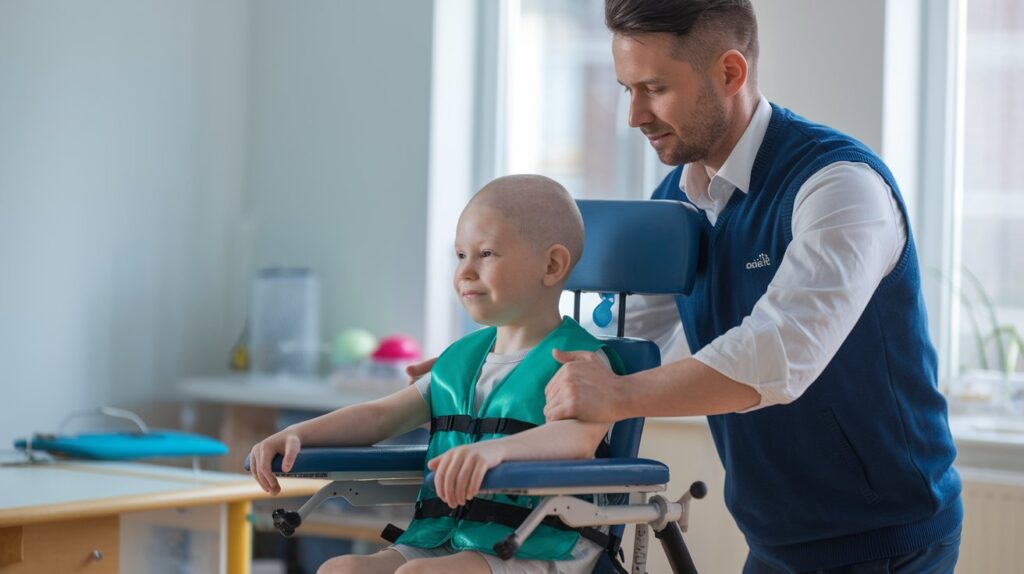
Physiotherapy for cerebral palsy is a cornerstone treatment that significantly improves mobility, muscle strength, and overall quality of life for individuals with this neurological condition. This comprehensive approach combines specialized exercises, manual therapy techniques, and assistive devices to help people with cerebral palsy achieve their maximum functional potential throughout their lifetime.
Understanding Cerebral Palsy and Its Impact
Cerebral palsy is a group of neurological disorders that affect movement, posture, and muscle tone, caused by damage to the developing brain before, during, or shortly after birth. In the United States, approximately 764,000 people live with cerebral palsy, making it the most common motor disability in childhood. The condition manifests in various forms, including spastic, dyskinetic, ataxic, and mixed types, each requiring specialized physiotherapy management approaches.
The severity of cerebral palsy varies significantly among individuals, ranging from mild coordination difficulties to severe mobility limitations requiring full-time assistance. Early intervention with physiotherapy treatment has been shown to improve outcomes dramatically, with studies indicating that children who receive consistent therapy within the first two years of life demonstrate better motor function and independence as adults.
How Physiotherapy Helps Cerebral Palsy Patients
A skilled physiotherapist plays a crucial role in managing cerebral palsy by addressing multiple aspects of the condition through evidence-based interventions. The primary goals include improving muscle strength, enhancing flexibility, developing balance and coordination, and preventing secondary complications such as contractures and deformities. Physiotherapy for cerebral palsy also focuses on pain management and optimizing functional mobility for daily activities.
Modern physiotherapy approaches for cerebral palsy incorporate neuroplasticity principles, utilizing the brain’s ability to reorganize and form new neural connections. This scientific understanding has revolutionized treatment methods, emphasizing task-specific training and motor learning strategies that produce lasting improvements in motor function and quality of life for patients across all age groups.
Evidence-Based Physiotherapy Techniques
Neurodevelopmental treatment (NDT) remains a fundamental approach in cerebral palsy physiotherapy, focusing on normalizing muscle tone and promoting typical movement patterns. This technique involves hands-on guidance and facilitation of movement, helping patients develop better postural control and functional skills. Research conducted in 2024 shows that NDT combined with strength training produces superior outcomes compared to traditional passive therapies alone.
Constraint-induced movement therapy (CIMT) has gained significant recognition for its effectiveness in treating cerebral palsy, particularly in cases involving hemiplegia. This approach involves restraining the stronger limb while intensively training the affected limb, promoting neural reorganization and improved function. Physical therapy protocols now incorporate CIMT as a standard intervention, with studies showing measurable improvements in motor function within 2-3 weeks of intensive treatment.
Specialized Exercise Programs for Different Types
Spastic cerebral palsy exercises focus on stretching tight muscles, strengthening weak antagonist muscles, and improving range of motion. These programs typically include passive stretching, active-assisted movements, and progressive resistance training adapted to individual capabilities. The 17 exercises for cerebral palsy commonly recommended include hip flexor stretches, hamstring stretches, calf stretches, and core strengthening activities that can be performed at home with caregiver assistance.
For individuals with dyskinetic cerebral palsy, exercise programs emphasize stability and postural control through isometric exercises and balance training. Physiotherapy exercises for this population often incorporate proprioceptive training, using balance boards, therapy balls, and sensory integration techniques to improve motor control and reduce involuntary movements that characterize this condition type.
Assessment and Treatment Planning
Comprehensive cerebral palsy physiotherapy assessment begins with detailed evaluation of motor function, muscle tone, range of motion, strength, and functional abilities. Modern assessment tools include standardized measures such as the Gross Motor Function Measure (GMFM-88), the Pediatric Evaluation of Disability Inventory (PEDI), and the Canadian Occupational Performance Measure (COPM). These assessments guide treatment planning and track progress over time.
The assessment process also evaluates respiratory function, as many individuals with cerebral palsy experience breathing difficulties that impact overall health and exercise tolerance. Physiotherapy management includes respiratory therapy techniques, postural drainage, and breathing exercises to optimize lung function and prevent complications such as pneumonia, which remains a leading cause of morbidity in this population.
Age-Specific Treatment Approaches
Pediatric physiotherapy for cerebral palsy emphasizes play-based interventions that engage children while addressing therapeutic goals. Treatment sessions incorporate age-appropriate activities such as obstacle courses, interactive games, and sensory play to maintain motivation and maximize learning. Early intervention programs typically involve 2-3 sessions per week, with home exercise programs designed to reinforce therapeutic gains between sessions.
Cerebral palsy physical therapy for adults focuses on maintaining function, preventing deterioration, and managing pain that may develop over time. Adult programs often address work-related activities, community mobility, and leisure pursuits, with emphasis on energy conservation techniques and adaptive strategies. Recent studies indicate that adults with cerebral palsy who participate in regular physiotherapy maintain better functional independence and report higher quality of life scores compared to those who discontinue treatment.
Technology and Equipment in Modern Therapy
Advanced technology has revolutionized physiotherapy for cerebral palsy, with innovations such as robotic gait trainers, functional electrical stimulation (FES), and virtual reality systems now commonly used in treatment programs. These technologies provide precise, repeatable movements and real-time feedback that enhance motor learning and engagement. The Lokomat robotic gait trainer, for example, has shown significant improvements in walking speed and endurance in children with cerebral palsy.
Assistive devices play a crucial role in maximizing independence and function for individuals with cerebral palsy. Physiotherapy treatment includes training in the use of mobility aids such as walkers, crutches, wheelchairs, and orthotic devices. Proper fitting and training in assistive technology use can dramatically improve quality of life and functional independence across all severity levels of cerebral palsy.
Home Exercise Programs and Family Involvement
Successful physiotherapy management of cerebral palsy extends beyond clinic sessions to include structured home exercise programs that reinforce therapeutic gains. These programs are designed to be performed safely by caregivers and adapted to the home environment. Research shows that consistent home exercise programs can improve strength by 15-20% and flexibility by 10-15% when performed regularly over a 6-month period.
Family education and training are essential components of effective cerebral palsy physiotherapy. Parents and caregivers learn proper handling techniques, positioning strategies, and exercise modifications to support their loved one’s progress. Physiotherapy guidelines emphasize the importance of family involvement, as studies demonstrate that children whose families actively participate in therapy programs achieve better long-term outcomes and maintain gains more effectively.
Outcomes and Long-term Management
Research conducted in 2024 demonstrates that individuals with cerebral palsy who receive consistent physiotherapy treatment show measurable improvements in gross motor function, with 70% of children showing clinically significant gains within 6 months of intensive therapy. Long-term studies indicate that early and consistent intervention can prevent secondary complications such as hip dislocation, scoliosis, and joint contractures that commonly develop without proper management.
The economic impact of effective physiotherapy for cerebral palsy is substantial, with cost-benefit analyses showing that comprehensive therapy programs reduce healthcare costs by an average of $45,000 per individual over a 10-year period. This reduction comes from decreased need for surgical interventions, reduced hospitalizations, and improved functional independence that reduces long-term care requirements.
Related video about physiotherapy for cerebral palsy
This video complements the article information with a practical visual demonstration.
Frequently Asked Questions
How does a physiotherapist help someone with cerebral palsy?
A physiotherapist helps individuals with cerebral palsy through comprehensive assessment and personalized treatment programs that address muscle tone, strength, flexibility, and functional mobility. They use evidence-based techniques like neurodevelopmental treatment, constraint-induced movement therapy, and specialized exercises to improve motor function, prevent complications, and enhance quality of life. Treatment also includes family education and home exercise programs to maximize therapeutic benefits.
What is the best physical therapy for cerebral palsy?
The best physical therapy for cerebral palsy is individualized based on the specific type and severity of the condition. Evidence-based approaches include neurodevelopmental treatment (NDT), constraint-induced movement therapy (CIMT), strength training, and task-specific training. Modern programs combine traditional techniques with advanced technology like robotic gait trainers and functional electrical stimulation for optimal outcomes.
Which therapy is best for cerebral palsy overall?
The most effective approach for cerebral palsy is interdisciplinary therapy combining physiotherapy, occupational therapy, and speech therapy when needed. Physiotherapy remains the cornerstone treatment, focusing on motor function and mobility. Early intervention programs starting within the first two years of life show the best outcomes, with research indicating that comprehensive, consistent therapy significantly improves long-term functional independence.
What is the best exercise for someone with cerebral palsy?
The best exercises for cerebral palsy include stretching for spastic muscles, strengthening exercises for weak muscles, balance and coordination training, and functional movement patterns. Specific exercises like hip flexor stretches, hamstring stretches, core strengthening, and gait training are commonly prescribed. The optimal exercise program is always individualized based on the person’s specific needs, abilities, and goals.
How often should someone with cerebral palsy receive physiotherapy?
Physiotherapy frequency for cerebral palsy typically ranges from 2-3 times per week during intensive periods, with maintenance sessions 1-2 times per week for ongoing management. Children in early intervention programs may require more frequent sessions, while adults might need less frequent but consistent treatment. The frequency depends on individual needs, severity of symptoms, and specific goals of treatment.
Can adults with cerebral palsy benefit from physiotherapy?
Yes, adults with cerebral palsy significantly benefit from physiotherapy throughout their lives. Adult programs focus on maintaining function, preventing deterioration, managing pain, and addressing work-related activities. Recent studies show that adults who participate in regular physiotherapy maintain better functional independence and report higher quality of life scores compared to those who discontinue treatment.
| Treatment Aspect | Key Details | Expected Benefits |
|---|---|---|
| Frequency | 2-3 sessions/week intensive, 1-2 sessions/week maintenance | Optimal motor function improvement and skill retention |
| Early Intervention | Start within first 2 years of life when possible | Better long-term outcomes and prevention of complications |
| Family Involvement | Home exercise programs and caregiver training | Enhanced progress and maintained therapeutic gains |
| Technology Integration | Robotic gait trainers, FES, and virtual reality systems | Improved motor learning and patient engagement |
| Long-term Management | Lifelong physiotherapy with age-appropriate modifications | Maintained independence and quality of life |

Jude Deveraux, une auteure américaine renommée pour ses romans captivants de romance et de fiction historique, a créé un univers littéraire avec plus de 40 best-sellers du New York Times. Sa maîtrise de plusieurs langues enrichit sa connexion avec un public mondial, inspirant ainsi les lecteurs du monde entier avec des histoires intemporelles. En dehors de l’écriture, Jude Deveraux est passionnée par la peinture, la randonnée et la cuisine internationale.



